
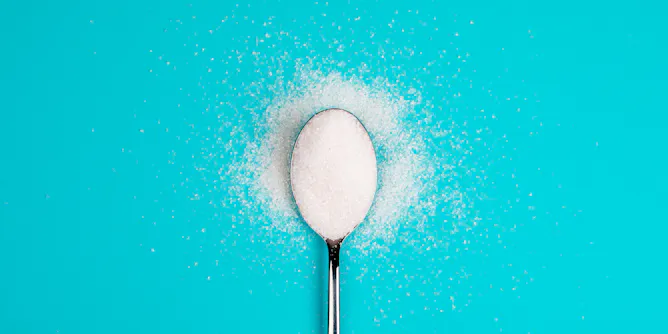
It’s the ultimate win-win that food scientists have been seeking for over a century. But replacing the sweet stuff turns out to be much harder than anyone imagined.
Articles on Sugar tax
Displaying 1 - 20 of 68 articles

Would you buy more fruit and veg if it was cheaper? A new study shows we could subsidise the healthy stuff by taxing junk food, and not just soft drinks.

Fruit juices get a free regulatory ride in South Africa because the sugar in them is natural.

Obesity is rising and sugar is part of the problem. But the sugar levy isn’t a tax on people - it’s a push for industry to do better.
A sugar-sweetened beverage tax is effective in reducing sugar consumption and should be increased for health reasons, researchers argue.
The Lords wants bold new policies to overhaul the UK’s food environment. But are the fundamental issues being overlooked?
A year after the sugar tax was introduced, adults in the UK cut their sugar intake by two and a half teaspoons, on average.
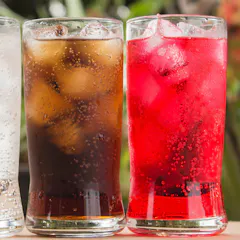
The release of a parliamentary committee’s report on diabetes has again highlighted the need to improve Australians’ diets.

Sugary drinks cause weight gain and increase the risk of a range of diseases. But a tax can reduce sales and make us healthier.

The new generation of artificial sweeteners was meant to be less harmful than the previous generation. A new study suggests they might be just as harmful.

A higher consumption of sugar leads to worse health outcomes, so we need to be mindful of the added sugar we eat.

The Food Standards Agency advises that children under four should not be given these drinks.

Diabetes affects about 12% of South Africa’s adult population.
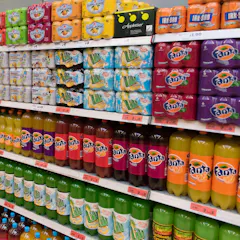
Tony Blair has called on ministers to tighten food regulation, including adding levies to foods high in fat, salt and sugar.
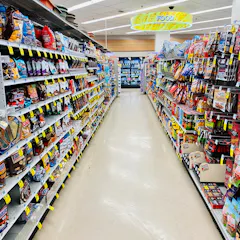
The public bears the suffering and costs of the global epidemic of noncommunicable diseases, and the rapidly accelerating climate emergency.
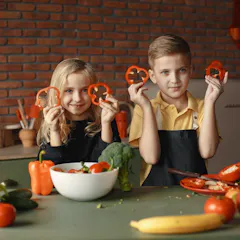
For parents, encouraging healthy family diets for children from the time they are babies is one way to keep children’s blood sugar levels in check. The Indonesian government can do more to help too.
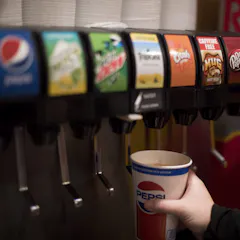
Taxation of sugar-sweetened drinks is not only inequitable, but also has the potential to create or perpetuate weight stigma, which has negative effects on mental and physical health.

Unlike some other countries, junk food remains inexpensive and easily accessible in Australia and is widely marketed to kids.

The evidence is clear: a tax on sugary drinks would reduce consumption. All that’s needed is political leadership that prioritises health above the profits.
A ban on sugary drinks sale and advertisements in schools is likely to hold more promise in improving the diets of children and help prevent obesity in children than voluntary actions.
Top contributors
-

Professor and Programme Director, SA MRC Centre for Health Economics and Decision Science - PRICELESS SA (Priority Cost Effective Lessons in Systems Strengthening South Africa), University of the Witwatersrand
-
Professor of Public Health Policy, Deakin University
-
Professor of Public Health, Griffith University
-
Postdoctoral fellow, Johns Hopkins University
-
Honorary Associate Professor, University of Leicester
-
Professor of Public Health, The University of Melbourne
-
Associate Professor and Director of the SAMRC/Wits Centre for Health Economics and Decision Science - PRICELESS SA (Priority Cost Effective Lessons in Systems Strengthening South Africa), University of the Witwatersrand
-
Assistant Professor of Nutritional Epidemiology, University of Manitoba
-
Professor of Food Policy, City St George's, University of London
-
Emeritus Professor of Marketing, University of Birmingham
-
Researcher, SAMRC/Centre for Health Economics and Decision Science- PRICELESS SA, University of the Witwatersrand
-
Senior Researcher, SA MRC Centre for Health Economics and Decision Science, PRICELESS SA, Faculty of Health Sciences, Wits School of Public Health, University of the Witwatersrand
-
Assistant Professor and Lecturer in Nutrition and Food Science, University College Dublin
-
Professor, Centre for Alcohol Policy Research, La Trobe University
-
Professor, Public Health Policy, The University of Queensland