

The sugar tax relies on creating a price difference between high- and low-sugar drinks, but this could be cancelled out by bundled offers, such as fixed-price meal deals.
Articles on Sugar tax
Displaying 41 - 60 of 68 articles

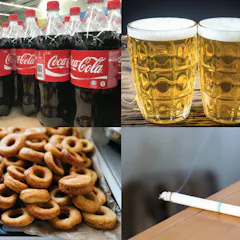
A recent study was reported as saying a sugar tax would have us drinking more alcohol. But the study didn’t establish this fact. The results were mixed with no evidence one thing caused another.

Governments must understand that the factors making cities convenient and productive also make their residents prone to obesity. They must confront this challenge with intelligent, focused policies.

South Africa has one last hurdle to cross before it implements a sugar tax to prevent a wide-range of obesity related non-communicable diseases.

Unhealthy food corporations use various tactics to undermine public health policies aimed at tackling the scourge of non-communicable diseases like diabetes and obesity.

The benefits of a sugar tax go beyond mere health savings when obesity rates drop. Our new research predicts wider economic benefits due to more, healthier people in work.
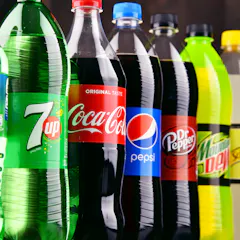
A recent study found Australian soft drinks had higher concentrations of glucose than US soft drinks, which had more fructose. Does this mean Australian drinks are worse for health than US drinks?
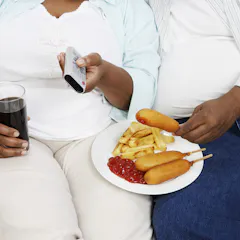
South Africa has the highest obesity levels in Africa but blaming sugar neglects the many factors at play in this complex health issue.
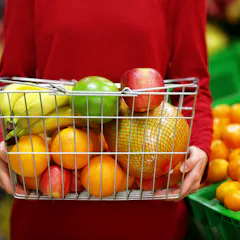
By tweaking the prices of foods and drinks, to make healthy options more affordable relative to the less healthy products, we can influence what people will buy.
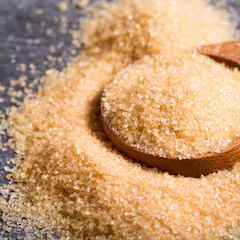
The reality is that the move to introduce a sugar tax in South Africa is necessary because of the scourge of non-communicable diseases and obesity in the country.

Health spent a lot of time in the spotlight in 2016. Medicare was a major issue in Australia’s federal election and numerous government reviews into health were announced and reported.

The holiday season has become a jet-fuelled boost of over-indulgence on an already excessive culture of over-consumption. But there are ways to avoid it.
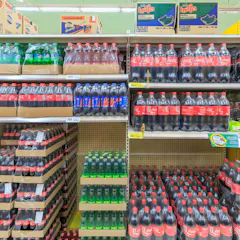
For more effective food policies, consult the public.
A collaboration of Australia’s leading scientists, clinicians and health organisations announce ten priority policy actions needed for Australia to reach its health targets by the year 2025.
Obesity imposes enormous costs on the community, through higher taxes to fund extra government spending on health and from foregone tax revenue because obese people are more likely to be unemployed.

The decision to tax sugary drinks in South Africa faces furious industry opposition, but global experience shows industry cannot be trusted to put public health before profits.

Since Mexico introduced a 10% “tax” on sugar-sweetened beverages in 2014, global political momentum for this form of fiscal policy has been building. Societal interest and support have also grown. Taking…

Germans like beer, French people wine and Italians coffee. Right?
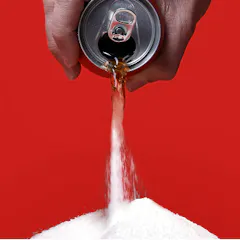
South Africa’s massive and growing obesity epidemic has much to do with people’s excessive daily sugar intake.
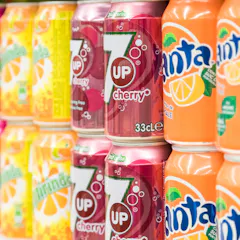
Educating people about the dangers of sugary drinks has little impact on their consumption and taxing them is unpopular. Luckily, there is a third way.
Top contributors
-

Professor and Programme Director, SA MRC Centre for Health Economics and Decision Science - PRICELESS SA (Priority Cost Effective Lessons in Systems Strengthening South Africa), University of the Witwatersrand
-
Professor of Public Health Policy, Deakin University
-
Professor of Public Health, Griffith University
-
Postdoctoral fellow, Johns Hopkins University
-
Honorary Associate Professor, University of Leicester
-
Professor of Public Health, The University of Melbourne
-
Associate Professor and Director of the SAMRC/Wits Centre for Health Economics and Decision Science - PRICELESS SA (Priority Cost Effective Lessons in Systems Strengthening South Africa), University of the Witwatersrand
-
Assistant Professor of Nutritional Epidemiology, University of Manitoba
-
Professor of Food Policy, City St George's, University of London
-
Emeritus Professor of Marketing, University of Birmingham
-
Researcher, SAMRC/Centre for Health Economics and Decision Science- PRICELESS SA, University of the Witwatersrand
-
Senior Researcher, SA MRC Centre for Health Economics and Decision Science, PRICELESS SA, Faculty of Health Sciences, Wits School of Public Health, University of the Witwatersrand
-
Assistant Professor and Lecturer in Nutrition and Food Science, University College Dublin
-
Professor, Centre for Alcohol Policy Research, La Trobe University
-
Professor, Public Health Policy, The University of Queensland