

The typical alcoholic beverage disclosed only a single piece of nutritional information: its alcohol content.
Articles on Sugar-sweetened beverages
Displaying all articles

New research reveals a deepening crisis in prenatal health as geography and income increasingly dictate whether a mother can meet her basic nutritional needs.

Taxation of sugar-sweetened drinks is not only inequitable, but also has the potential to create or perpetuate weight stigma, which has negative effects on mental and physical health.

Sugar gets a bad rap, but exactly which sugar is meant? Nutrient-dense sweet ripe fruits are a far cry from refined table sugar – and their differences can have big health implications.

A new study looked at advertising and purchase data for children’s drinks and suggests that ads and pricing strategies contribute to sweetened children’s drink purchases.
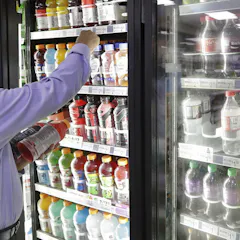
B.C. recently began taxing sugary drinks. Examples from Europe show the scientific basis for taxing unhealthy foods may have little impact on whether these taxes are adopted or remain in place.

Governments must take urgent action to prevent noncommunicable diseases from becoming an uncontrollable epidemic in sub-Saharan Africa. Sugar-sweetened beverage taxation offers a potential solution.
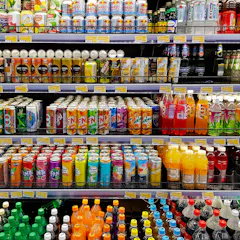
Tension between the government’s economic and public health priorities is preventing stronger fiscal measures to address nutrition-related noncommunicable diseases.

Between 2018 and 2019 Kenya registered a 30% spike in sugar production and an increase in sugar consumption.

The results are in: South Africa’s ground-breaking health promotion levy, introduced in 2018, is working.

A tax on sugar-sweetened beverages may be intended to improve health, but for Indigenous consumers, such a tax would be unethical, contravene tax law and undermine Indigenous rights.
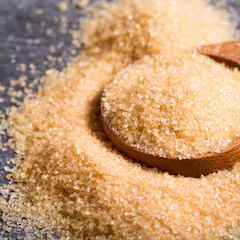
The reality is that the move to introduce a sugar tax in South Africa is necessary because of the scourge of non-communicable diseases and obesity in the country.
Top contributors
-

Professor and Programme Director, SA MRC Centre for Health Economics and Decision Science - PRICELESS SA (Priority Cost Effective Lessons in Systems Strengthening South Africa), University of the Witwatersrand
-
Assistant Professor of Nutritional Epidemiology, University of Manitoba
-
Professor, DSI/NRF/NDP SARChI Chair in Nutrition and Food Security and Director ARUA CoE Food Security, University of Pretoria
-
Research Assistant, Political Science, McMaster University
-
Research officer, African Population and Health Research Center
-
PhD Candidates, University of the Western Cape
-
Associate Professor, Political Science, McMaster University
-
Assistant Professor of Community Health & Preventive Medicine, Morehouse School of Medicine
-
Associate professor, Department of Sociology, University of New Brunswick
-
Associate professor, University of Manitoba
-
Postdoctoral fellow, Johns Hopkins University
-
Research Scientist, African Population and Health Research Center
-
Director of Marketing Initiatives, Rudd Center for Food Policy and Health, University of Connecticut
-
Research Coordinator, Department of Food and Human Nutritional Sciences, University of Manitoba
-
Assistant Professor, Governance, Law and Management, Athabasca University