

Cannabis hyperemesis syndrome — with severe vomiting, abdominal pain and temporary relief through compulsive hot bathing — is increasingly affecting adolescents and young adults.
Articles on Substance use
Displaying 21 - 40 of 47 articles

Your brain processes the pleasure of everyday behaviors like eating and drinking similarly to the pleasure of using drugs. Disentangling them requires understanding how memories are formed.

New research finds sexually diverse youth are three times more likely to use cannabis in risky ways—driven by stress, not identity—highlighting the need for better mental health support and equity.
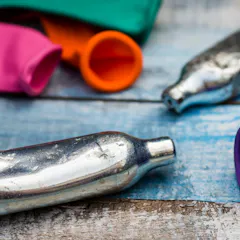
We spoke to young people who didn’t know about the risks, even when they reported side effects including brain fog and seizures.

Drinking alcohol is a personal decision. It’s important to translate population-level drinking guidance in a format that resonates with individuals and is relevant to a person’s circumstances.

B.C. is facing a toxic drug crisis, however, forcing people into involuntary treatment will cause more harm than good.

There are several ways a person using violence may exploit their own substance use, or that of those around them, to gain more power. This is sometimes called ‘substance use coercion’.

It’s time to revisit the evidence for the health benefits of moderate drinking, and separate fact from wishful thinking. Can we confidently say, ‘Cheers to good health?’

Calls to destigmatize language around drug addiction must be combined with action to change policies that stigmatize people in early recovery.

Many people wrongly assume that cannabis use during pregnancy is safe. Research is increasingly documenting a host of serious health harms from prenatal exposure to cannabis and other substances.
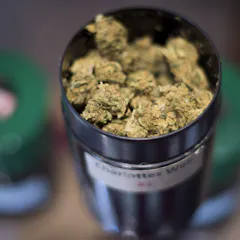
A Weed-Free January could do more good than cannabis users may realize. Regular cannabis users could expect to experience a number of positive physical and lifestyle changes from a 31-day pause.

Climate change is seeing more of us with mental health problems and harmful substance use. So we need to start planning now.

Researchers found that most homeless people spent the money they received on rent, food and other living costs.

A police policy of not making arrests for simple possession is a way to essentially decriminalize personal drug use. However, confiscating drugs — even without arrests — can be harmful in many ways.

Most consumables in Canada have quality controls that inform purchasing and consumption decisions. People who use illicit drugs deserve the same. Drug checking provides that harm-reduction service.

Harm reduction is grounded in evidence. But policies, stigma and ignorance about substance use still create barriers in battling Canada’s drug poisoning crisis.

Higher levels of income inequality in youth are associated with increased ‘deaths of despair’ in young Canadians.

Instead of forcing people into substance use treatment, provinces should work with municipalities and health boards to expand life-saving safe use sites and tackle the housing crisis.

Decriminalization helps recharacterize drug addiction as a chronic health condition instead of a criminal activity, reduces the stigma associated with drug use and improves treatment options.

As British Columbia begins a new era in drug policy, the drug poisoning crisis continues without an end in sight.
Top contributors
-

Scientist, Canadian Institute for Substance Use Research and Professor of Psychology, University of Victoria
-
Director, Canadian Institute for Substance Use Research; Professor, Division of Medical Sciences, University of Victoria
-
Clinical assistant professor, University of Colorado Anschutz; Oregon Health & Science University
-
Doctoral Student in Counselor Education and Supervision, The Ohio State University
-
Assistant professor, University of Alberta
-
Professor, University of British Columbia
-
Doctor of Social Sciences Candidate, Royal Roads University
-
Master of Arts student, Social Dimensions of Health Program, University of Victoria
-
Professor of Sociology and Criminology, University of Montana
-
Associate Professor, Department of Sociology, University of Alberta
-
Peter Boris Chair in Addictions Research; Director, Peter Boris Centre for Addictions Research; Director, Michael G. DeGroote Centre for Medicinal Cannabis Research; Professor, Department of Psychiatry and Behavioural Neurosciences, McMaster University
-
PhD Candidate, Faculty of Health Sciences, Simon Fraser University
-
Postdoctoral Research Fellow, Canadian Institute for Substance Use Research, University of Victoria
-
Assistant Professor of Indigenous Health, Simon Fraser University
-
Professor of Psychology, Texas State University