

Elite athletes share with the rest of us a common underlying physiology and the capacity to adapt significantly to training. It’s never too late to start.
Articles on Strokes
Displaying all articles
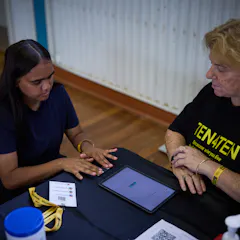
Indigenous people have a far higher risk of early stroke than non-Indigenous people. It’s often caused by atrial fibrillation, which may not have any symptoms.

Acalculia affects the way a person processes and understands numbers.

Catching the flu or COVID can trigger a heart attack or stroke in vulnerable people. Here’s what we can all do to lower our risk.

Health struggles are part of the human condition, but politicians often resist revealing full medical records. The media often help lawmakers hide their conditions. That shortchanges the voters.
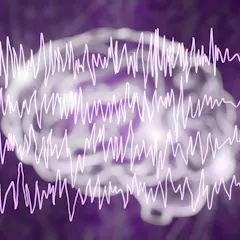
Because some seizures are relatively subtle, they can go unrecognized, leading to a delay in diagnosis.

The key to understanding how brains can recover from trauma is that they are fantastically plastic – meaning our body’s supercomputer can reshape and remodel itself.

Bruce Willis’ family today revealed he has been diagnosed with aphasia. So what actually is aphasia and why haven’t we heard of it before?

A stroke often leads to the sudden onset of weakness involving the face, arm or leg, an inability to speak, difficulty walking or impaired vision. Strokes can cause death and irreversible disability.

Cardiac rehabilitation is not available in many African countries and the way forward may be to focus on patients rather than specific diseases.

They’re associated with fake news and celebrity porn videos but there are some unexpected upsides to these slippery clips.

Smoking-related cardiovascular disease like heart attack and stroke results in 11,400 people being sent to hospital and 6,400 people dying in Australia each year, new research shows.
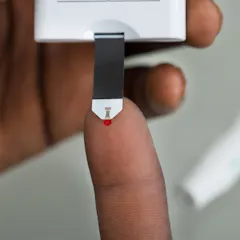
To tackle the increasing burden of diabetes in Africa, health systems on the continent need to be strengthened.

Reducing the amount of salt one consumes over the summer holidays is important to maintaining long term health.
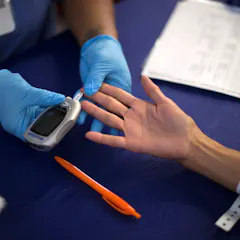
Being able to buy processed “food-like” products is often seen as a mark of personal and material success. Little attention is paid to having a healthy diet.

Despite the increase in cardiovascular disease in the developing world, not enough is being been done to improve public awareness of the benefits and harms of ‘good’ and ‘bad’ fatty acids.
Genomic research must take place in Africa because African populations have evolved significantly and their genetic composition is more diverse than that of populations elsewhere.

Sleep is often overlooked as a treatment for brain injury, but new research could be about to change that.

Rising temperatures affect people living in the developing world differently to those living in Europe and North America.

Legislation limiting the salt in processed foods will drastically cut the average South African’s salt intake. But how effective will it be?
Top contributors
-

SHARP Professor of Cardiovascular Medicine, UNSW
-
Professor of Meat Science and the co-host of the NRF SARChI Chair in Meat Science, University of Fort Hare
-
Dietitian and Nutritionist, North-West University
-
Professor of Cognitive Neuroscience and Neuropsychology, University of Surrey
-
PhD Student, Animal Sciences Department, University of Fort Hare
-
Professor, University of Pretoria
-
Research officer, African Population and Health Research Center
-
Professor, School of Health Sciences, University of Newcastle
-
Clinical Endocrinologist & Associate Lecturer, University of the Witwatersrand
-
Associate Professor of Neurology, University of Colorado Anschutz
-
Professor, Gustavson School of Business, University of Victoria
-
Honorary Professor, University of Cape Town
-
Post-doctoral Research Fellow, Stellenbosch University
-
neurologist and a lecturer, Stellenbosch University
-
Professor in Global Health, King's College London