
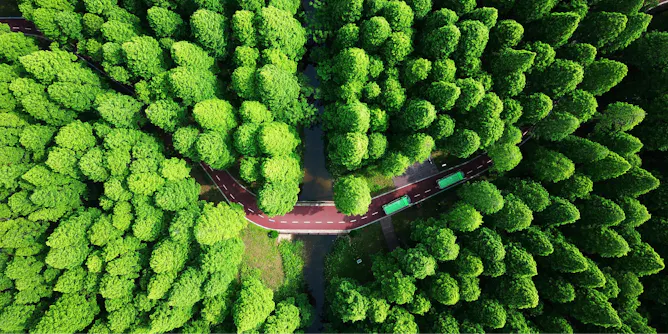
Yes, trees and soils can absorb and store carbon, but the carbon doesn’t stay stored forever. That’s one of the problems with how net-zero plans for the climate are being designed.
Articles on Soil carbon
Displaying 21 - 40 of 61 articles
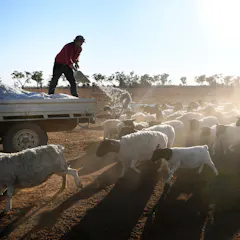
Some Nationals want agriculture carved out of any net-zero target. Cutting emissions from farms won’t be easy, but it’s essential.
A new study provides a detailed way to calculate the climate impact of food production, which could lead to more sustainable farming policies and methods.
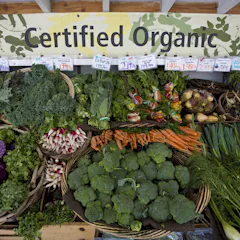
Four out of five Americans regularly buy some kind of organic food. An expert on the industry says more federal support could greatly expand organic farming and its environmental benefits.

The Tongass National Forest in Alaska, a focus of political battles over old-growth logging and road-building in forests for decades, has received new protection from the Biden administration.

Wild pigs are on every continent, except Antarctica. All up, they likely turn over the the same amount of soil as the area of Taiwan.
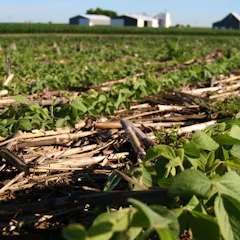
Policymakers want to pay farmers for storing carbon in soil, but there are no uniform rules yet for measuring, reporting or verifying the results. Four scholars offer some ground rules.
If problems in such schemes are not addressed, the credibility of soil carbon trading will be undermined. Ultimately the climate - and the planet - will be the loser.
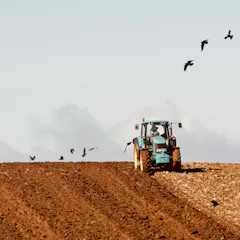
Soil underpins Australia’s economy – yet since Europeans arrived, the natural asset has steadily been degraded. A new national plan aims to change that.
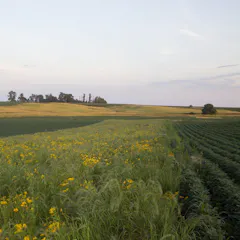
Farmers can help slow climate change by mixing native grasses into croplands, restoring wetlands and raising perennial crops. These strategies also conserve soil and water and build new markets.
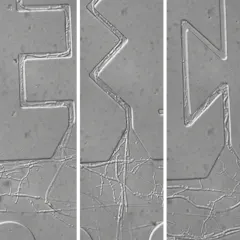
Using tiny ‘soil chips’, researchers have observed the forgaging strategies of fungi at a microscopic scale for the first time.

Excavator, farmer, matchmaker: echidnas provide a host of benefits to nature. So let’s harness the potential.
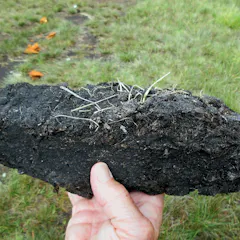
Peat beds around the world hold huge quantities of carbon and keep it from warming the planet. But rising temperatures and over-use could turn them from a brake on climate change into an accelerant.

Energy Minister Angus Taylor is this week expected to release the government’s first Low Emissions Technology Statement. It’s likely to include ways to remove CO₂ from the air – but do they work?
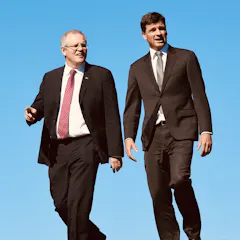
We cannot rely on technology development alone to deeply cut Australia’s emissions. Other policies and more money will be needed.
A federal government plan to increase soil carbon stores is a folly that misunderstands the technology.
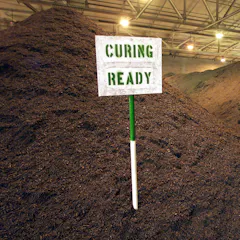
Turning food scraps and yard trimmings into compost improves soil, making it easier for people to grow their own food. City composting programs spread those benefits more widely.
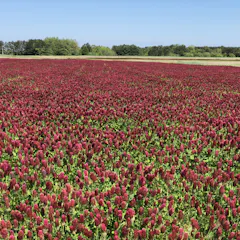
Storing more carbon in soil helps slow climate change and makes croplands more productive. But there are two kinds of soil carbon that are both important, but function very differently.

Areas of the UK may lose their topsoil in little over a century according to new research.
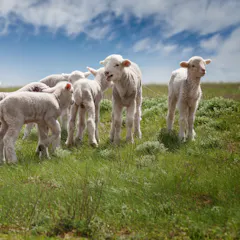
Regenerative agriculture has the potential to build production and reducing pollution, but it needs a clearer definition.
Top contributors
-

Professor Emeritus of International Environmental Policy, Tufts University
-
Professor Emeritus of Global Change Biology and Terrestrial Systems Science, Oregon State University
-
Adjunct Professor, University of New England
-
Professor, University of New England
-
Professor of Biogeochemistry, University of Wollongong
-
Professor, Department of Soil and Crop Sciences, Colorado State University
-
Honorary Senior Fellow, The University of Melbourne
-
Professor of Earth and Space Sciences, University of Washington
-
Professor & Director, Primary Industries Climate Challenges Centre, The University of Melbourne
-
Professor of Sustainable Agriculture, University of Tasmania
-
Associate Professor, Monash University
-
Adjunct Senior Research Fellow, University of New England
-
Professor of Global Change, Queensland University of Technology
-
Executive Director, Swette Center for Sustainable Food Systems, Arizona State University
-
Lecturer in Environmental Geoscience, The University of Melbourne