
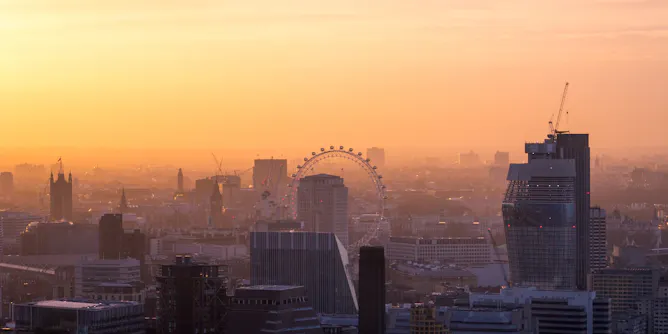
Economic interests have shaped society’s response to pollution. Now, policy needs to align with the scientific evidence to clean up our air.
Articles on Smog
Displaying 1 - 20 of 25 articles
The EPA is changing how it assesses proposed regulations by dropping the monetary value of health benefits from its cost-benefit analyses. That misses a big piece of the picture.
Critics of environmental protection laws may have forgotten how much progress has been made.
With pollution levels far above global limits, residents face rising respiratory illness, cardiovascular stress and mounting mental health impacts.

The UK wants cleaner air. But its rules are stuck in the age of smog.

Clean air has become one of America’s best investments, returning $10 for every $1 spent on regulations, by one estimate.

Public health implications of smog were only mentioned in 15% of stories published by Pakistani media, research shows.

For decades, big-box retailers have evaded federal regulation of the pollution their operations generate. But a new air emission rule in Southern California could become a model for state controls.
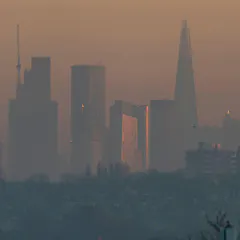
A new report by the UK’s Chief Medical Officer sets out what must happen.

How the pandemic is reported by the media can influence people’s behaviour.
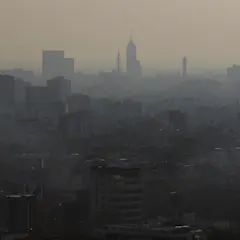
The Aztecs had a shining city on a lake, with canals, causeways and aqueducts – until the Spanish came. Mexico City is still suffering the consequences of their bad public health decisions.

From Nairobi to Los Angeles, pandemic lockdowns have cleared pollution from the skies. But those blue vistas may be temporary, and shutdowns aren’t slowing climate change.
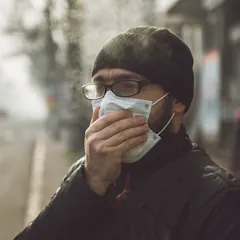
New research in China adds to the evidence of a direct link between air pollution and happiness.

A study of the social cost of carbon emitted by the shrinking fleet of Texan coal plants suggests that closing more of them down would be good for the climate and public health.

US ozone pollution has fallen in recent decades, but exposure to low levels of ozone still has serious effects on human health and well-being.

US national parks protect some of America’s most spectacular outdoor settings. But new research shows that ozone pollution levels in the parks are roughly as bad as in major cities.
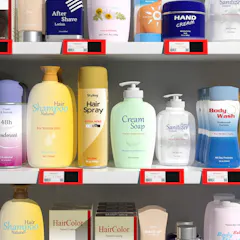
New research is spotlighting personal care products, such as shampoos and skin lotions, as a significant source of chemicals that contribute to urban air pollution.
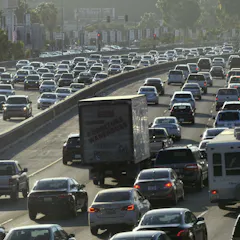
Air pollution could be the next battleground between California and the Trump administration, which is reviewing the Golden State’s special legal authority to regulate tailpipe emissions.
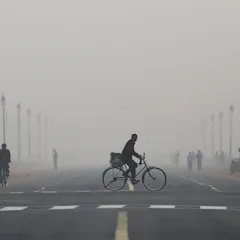
While India struggles for answers to its urban air pollution crisis, Beijing is moving forward with strong resolve and effective policy.
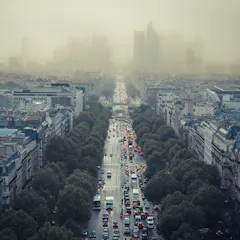
Will the evidence finally convince polluted cities to clean up their act?
Top contributors
-

Professor of Civil and Environmental Engineering, Rice University
-
Professor of Data, Systems, and Society and Atmospheric Chemistry, Massachusetts Institute of Technology (MIT)
-
Deputy Director, Engagement and Impact, The ARC Centre of Excellence for the Weather of the 21st Century, Australian National University
-
Senior Research Fellow at the Stockholm Environment Institute, University of York
-
Assistant professor, The Education University of Hong Kong
-
ARC Future Fellow and Associate Professor in Climate Science, ARC Centre of Excellence for 21st Century Weather, The University of Melbourne
-
Distinguished Research Professor and Australian Laureate, James Cook University
-
Assistant Professor of Applied Economics, Cornell University
-
Postdoctoral Research Associate, Rice University
-
Assistant Researcher at the School of Arts, Culture and Language, Bangor University
-
Professor of Linguistics, Bangor University
-
Distinguished visiting professor, University of Glasgow
-
Professor of Film Studies, Bangor University
-
Assistant Professor of Economics, Iowa State University
-
Professor of Applied Environmental Science, University of Southampton