
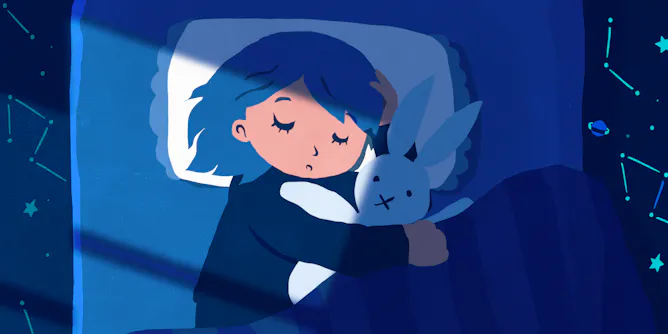
The most interesting part of our body that changes during sleep is our brain.
Articles on Sleep research
Displaying 21 - 32 of 32 articles

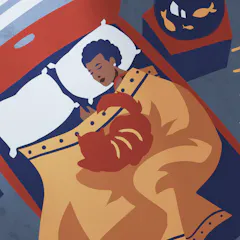
Research demonstrates a two-way relationship between sleep problems and sexual problems, as well as between satisfying sex and sound sleep. If you want better sex, you need better sleep.
Pond snails use things like rocks or the side of their aquarium as their bed, attaching themselves while they sleep. This might not seem very relaxing but their shells do hang away from their body.

You might be trying to catch up on sleep. Sleep scientists say some children need only nine hours of sleep at night, while others need as much as 11 hours. It depends on the person.

Niamh, age 7, wants to know why we have scary dreams. But after 200 years of study, dreams are still very much a mystery.

Recent research suggests running allows the brain to rest and reduces the need for sleep.

Sleep is essential for good executive functioning and for good general health. So how do candidates keep up the grueling demands of their schedules?

Have you ever arrived in a hotel room after a long flight and despite being exhausted, failed to fall asleep? This is called the first-night effect and we may have understood why it occurs.

New research suggests disrupted sleep patterns could have more impact on some measures of women’s performance than men’s.

Not getting enough quality sleep can have significant implications for health.

We aren’t slaves to our body clocks: changing your routine could make a huge difference to your sleep patterns.

Here are five scientific studies from the last 12 months with simple tips for raising healthy children.
Top contributors
-

Professor of Sleep and Physiology and Director of Surrey Sleep Research Centre, University of Surrey
-
Associate Professor of Neurology, University of Pittsburgh
-
Professor in Fatigue Management and Sleep Health/Associate Dean, Research, Te Kunenga ki Pūrehuroa – Massey University
-
Professor, Monash University
-
Consultant Paediatrician and Conjoint Lecturer, UNSW
-
Associate Professor, Department of Physiology, Monash University
-
Emeritus Professor of Psychology, University of Florida
-
Professional Research Fellow, Victoria University
-
Conjoint Senior Lecturer, School of Medicine and Public Health, University of Newcastle
-
Sleep Psychologist and Researcher, The University of Melbourne
-
Research Professor and Director of the Behaviour-Brain-Body Research Centre, Adelaide University
-
Senior Lecturer in Industrial Design, UNSW
-
Professor of Psychology, Swansea University
-
Director, Appleton Institute, CQUniversity Australia
-
Associate Professor at Turner Institute for Brain and Mental Health, School of Psychological Sciences, Monash University