

You can have this STI without knowing it, or have symptoms, it can affect men and women, and it can be treated with antibiotics. Left untreated, it may cause complications.
Articles on Sexually transmitted infection
Displaying 21 - 40 of 62 articles
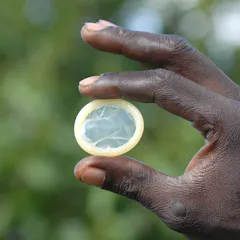
Parents have the primary role of educating their children about their sexuality. But cultural beliefs and taboos about sex can work strongly against their efforts.
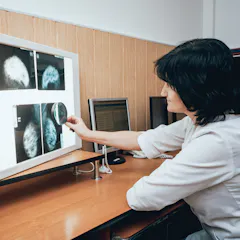
Regular testing can mean potentially fatal diseases can be picked up and treated early.

People may not be using condoms at the same rate as before, but it is difficult to know for sure because there is a lack of data.

Sexually active men should consider wearing condoms during the pandemic.
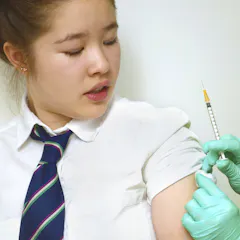
Researchers have found a way to encourage cervical cancer screenings and vaccinations in Korean American women. Might their findings also work in other underrepresented populations?

Australia’s year 10-12 students are getting good marks when it comes to sexual health, according to new research out today. But there’s room for improvement.

CC BY-NC-ND5.94 MB (download)
Why it's important South Africa doesn't ignore sexually transmitted infections.
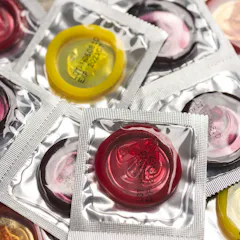
STI prevention was largely driven by HIV prevention. With changes in HIV prevention initiatives that don’t really take into account other STIs, there’s need to refocus STI prevention.

As ophthalmologists, we’ve noticed an uptick in cases of vision problems caused by syphilis. Practising safe sex is important for our eye health too.

Uganda needs to face the reality that many young people are sexually active and need information to protect themselves.
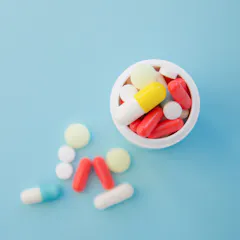
Superbugs used to pose the greatest risk to people with compromised immune systems and those who had surgery. But their sexual transmission means antibiotic resistance can spread much more widely.

Young people in remote Aboriginal communities have high rates of STIs for a number of reasons, including inconsistent condom use and poor access to health services.

NSW has changed its laws imposing criminal penalties on someone with an STI who doesn’t take “reasonable precautions” to not infect their sexual partner.

Despite significant medical advances, rates of sexually transmitted infections are on the rise, including some old foes like syphilis.

South Africa has launched a plan to tackle HIV, TB and sexually transmitted infections – but much depends on its implementation over the next five years.

Understanding where teens learn about sex and how that influences them can help us find ways to encourage healthy sexual behaviors, such as using condoms and birth control.

The annual surveillance report of sexually transmissible infections and blood borne viruses in Australia has found notifications of sexually transmissible infections are on the rise in Australia.
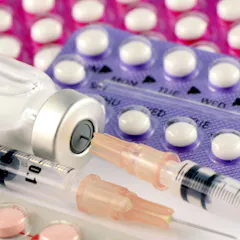
Studies have suggested that women using a particular kind of injectable contraceptive are more susceptible to HIV infection. Research in mice offers new insights.

The messages that adolescents receive from sexuality education classes are frequently negative. It’s time for the curriculum to become more empowering for learners and teachers.
Top contributors
-

Professor, Head of Research Translation and Head of the Genital Mycoplasma and Microbiota Group, Monash University
-
Reader in Evolutionary Ecology, Queen Mary University of London
-
Associate Professor of Otolaryngology, The Ohio State University
-
Director of POCHE Centre for Indigenous Health, The University of Queensland
-
Associate Professor in Criminology, The University of Melbourne
-
Emeritus Professor, University of New England
-
Adjunct Associate Professor, Australian Research Centre for Sex, Health & Society, La Trobe University
-
Academic Convenor, MAEVe ( Melbourne Alliance to End Violence against women and their children, The University of Melbourne
-
Senior Lecturer of Media Studies and Digital Media, University of Sussex
-
Research Associate in Digital Health and Sexual Health, UCL
-
Professor of Sociology, University of Nottingham
-
Lecturer, Division of Health Research, Lancaster University
-
Programme leader, MRC/CSO Social and Public Health Sciences Unit, University of Glasgow
-
Professor of Molecular Virology, UCL
-
Sexual health researcher, The University of Melbourne