

Respiratory diseases like measles and flu pose a much bigger threat to public health for the World Cup than does Ebola.
Articles on Sexually transmitted infection
Displaying 1 - 20 of 62 articles

First-trimester screening and intervention has the greatest potential to prevent maternal syphilis. But 1 in 4 pregnant people do not have access to prenatal care during the first trimester.

Without systematic documentation, traditional plants’ uses could be lost or excluded from mainstream medical discourse.

Targeted vaccines and antiviral prophylaxis are expanding prevention options and redefining ‘safe sex’ for gay, bisexual and other men who have sex with men.
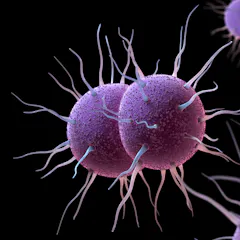
The vaccine programme could prevent up to 100,000 gonorrhoea cases over the next decade.

We all have a right to a safe, healthy, and pleasurable sex life – but some people face more barriers than others.

Older adults are at risk for contracting STDs – not only because of stigma and infrequent condom use, but also because of physical changes due to aging.

Syphilis cases have increased 30% among 15- to 24-year-olds in Philadelphia since 2019, while cases of gonorrhea are up 18%. Chlamydia cases have decreased but remain high.
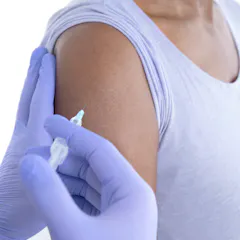
The human papillomavirus is the primary cause of cervical cancer – but not all infected individuals develop the disease.
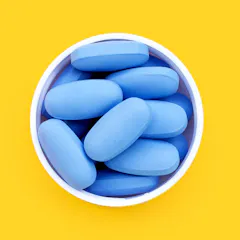
Funding announced in this week’s federal budget moves Australia closer to eliminating HIV.

With the alarming rise in syphilis cases in recent years, it’s important to know what it is, how it’s spread and who is most at risk.

It’s a conversation that can be awkward and uncomfortable, but here are some things to keep in mind.

Prejudice and stigma can discourage the communities most affected by infectious diseases from seeking care. Inclusive public health messaging can prevent misinformation and guide the most vulnerable.
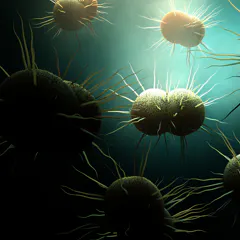
The US currently has only one antibiotic available to treat gonorrhea – and it’s becoming less effective.
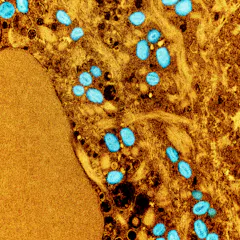
Monkeypox is not considered an STI but is spreading among sexual partners. Adding sexual health strategies to the public health response is helpful, but there is a danger of stigmatizing MPXV.

The idea that Europeans brought new diseases to the Americas and returned home with others has been widely accepted. But evidence is mounting that for syphilis this scenario is wrong.

Monkeypox has spread to more than 50 countries and will continue to be monitored. Here’s what we know about monkeypox so far and what researchers want to find out.

One in three children experiences abuse or neglect. These adverse events increase lifelong risks for chronic diseases and mental health issues, creating a public health hazard hiding in plain sight.
Schools have not adequately educated students about the increased risks of virus transmission when it comes to being sexually intimate.

In a Nigerian study, both women and men emphasised “trust” and “safe spaces” when discussing sexual health.
Top contributors
-

Professor, Head of Research Translation and Head of the Genital Mycoplasma and Microbiota Group, Monash University
-
Reader in Evolutionary Ecology, Queen Mary University of London
-
Associate Professor of Otolaryngology, The Ohio State University
-
Director of POCHE Centre for Indigenous Health, The University of Queensland
-
Associate Professor in Criminology, The University of Melbourne
-
Emeritus Professor, University of New England
-
Adjunct Associate Professor, Australian Research Centre for Sex, Health & Society, La Trobe University
-
Academic Convenor, MAEVe ( Melbourne Alliance to End Violence against women and their children, The University of Melbourne
-
Senior Lecturer of Media Studies and Digital Media, University of Sussex
-
Research Associate in Digital Health and Sexual Health, UCL
-
Professor of Sociology, University of Nottingham
-
Lecturer, Division of Health Research, Lancaster University
-
Programme leader, MRC/CSO Social and Public Health Sciences Unit, University of Glasgow
-
Professor of Molecular Virology, UCL
-
Sexual health researcher, The University of Melbourne