
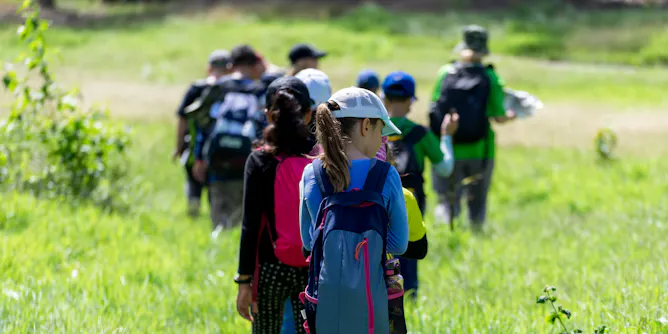
School camps can be an exciting experience where a young person may discover they are braver than they thought.
Articles on Separation anxiety
Displaying all articles
They’re crying, but you have to leave and get to work. You spend the rest of the day feeling absolutely wretched. Sound familiar?

How to use TV and other tools to help dogs who suffer from anxiety or spend a lot of time at home alone.
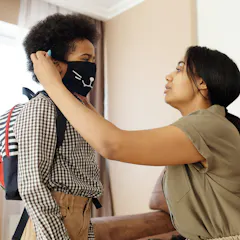
When you layer a pandemic on top of back-to-school, many children may struggle with separation anxiety. Here are some strategies parents can use to help reduce anxiety in their children.

Dogs that have grown used to being around humans all the time might suffer from separation anxiety.

Alleviating separation anxiety is about changing the owner’s behavior, too.

Many of us might be feeling particularly attached to our homes amid the pandemic.
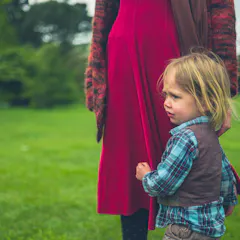
When children are being clingy, they’re communicating their feelings. This is normal and healthy. Parents can help by acknowledging the feelings that come with their child’s behaviour.

Halloween and the celebrations of the Dia de Muertos make us remember of one of the most natural feelings shared among living creatures: fear.

The traumatic separations of children and parents initiated at the border can cause permanent changes in the structure of the infants’ and children’s brains and the activity of their genes.
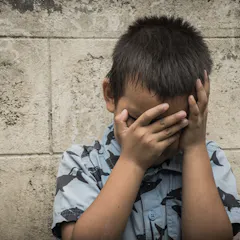
Kids often experience anxiety when separated from parents for short periods. Longer separations, happening with some immigrant children, is a different matter, a leading child psychiatrist explains.
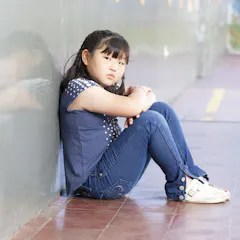
As the first days of school approach rapidly, an educational psychologist offers strategies for combating anxiety in children and teens.

Adult separation anxiety is a relatively new concept. There are, as yet, no published evidence-based treatments for the condition.

School refusal is a serious difficulty for many students, but it is often ignored in policies for increasing school attendance.
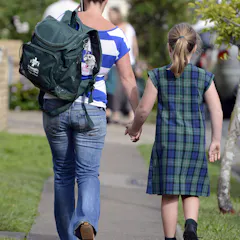
There are many transitions in life (starting school, moving house, changing jobs) and how well we cope depends largely on our perceptions of the event as well as the level of support we receive. The transition…
Top contributors
-

Independent Researcher, University of Michigan
-
Professor of Inclusion and Educational Psychology, Adelaide University
-
Associate Professor in Education, Adelaide University
-
Lecturer, Inclusive Education and Psychology, Queensland University of Technology
-
Professor of Psychiatry and Neuroscience, Wayne State University
-
Professor of Strategy and Entrepreneurship, ESSCA School of Management
-
Assistant Professor Educational Psychology, University of Calgary
-
Associate Professor in Early Childhood Education, Early Start and School of Education, University of Wollongong
-
Director of Psychological Services, Black Dog Institute; Associate Professor, School of Psychiatry, Faculty of Medicine, UNSW
-
Visiting Research Fellow in Animal Behaviour, University of Cumbria
-
Associate Professor in Psychology, Deakin University
-
Senior Lecturer in Animal Science, Nottingham Trent University
-
Clinical Associate Professor, Veterinary Telehealth, Texas A&M University
-
Relationships Expert & Psychology Educator at the Queensland Centre for Domestic and Family Violence Research, CQUniversity Australia
-
Professor, Canada Research Chair in Determinants of Child Development, Owerko Centre at the Alberta Children’s Hospital Research Institute, University of Calgary