

Reselling clothes might seem like a green option, but it is not as simple as it sounds.
Articles on Secondhand clothing
Displaying all articles

At binz stores, surplus goods move downstream through a hidden retail ecosystem, giving products a second life and shoppers the chance to stretch their dollars.
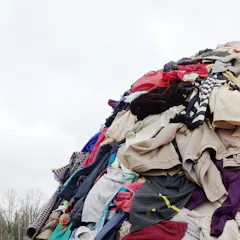
We give or throw away more and more clothes every year, overwhelming charities and triggering large exports of secondhand clothing. There’s a better way
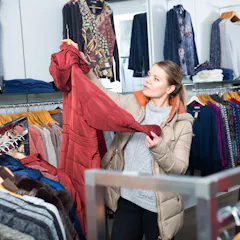
Clothing is a well-known carrier of many disease-causing pathogens – including E coli, scabies and Staphylococcus.

West African designers produce only the clothes that are needed, preventing waste and allowing space for creativity.
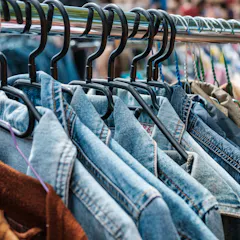
Secondhand markets are built to increase consumption, not cut it back.
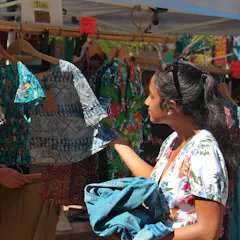
Australia has the world’s biggest carbon footprint from fashion. This is one area where changing our personal clothing choices can make a big difference, just as it did in the second world war.
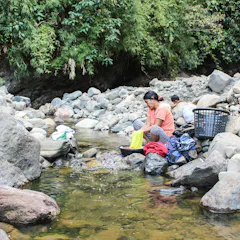
Simply trying to avoid synthetic clothing won’t fix our microfibre pollution problem
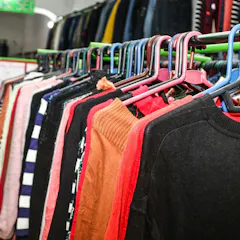
Used clothes are being repurposed but with fresh fashionable spins.

The beloved reality show is partnering with eBay to promote secondhand outfits instead of fast fashion.
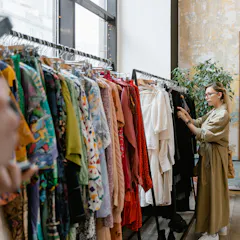
It’s not just about being eco-conscious and frugal: second-hand clothes shoppers are also more stylish.

We interviewed consumers about ethical fashion choices - they were well intentioned but overwhelmed. There are, however, some good sources of information for conscious shoppers.
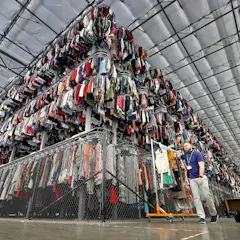
Fast fashion is far from green. But the rapid expansion of online clothing resale platforms could help shrink the garment industry’s negative impact on the environment.
Top contributors
-

Professor of Sustainable Development, Keele University
-
Research Fellow, Center for Cultural and African Studies, Kwame Nkrumah University of Science and Technology (KNUST)
-
Emeritus Professor, University of Tasmania
-
Associate Professor of Fashion Merchandising, Oklahoma State University
-
Lecturer, Nottingham Trent University
-
Associate Professor of Fashion Merchandising, Oklahoma State University
-
-
Professor of Cultural Studies, The University of Melbourne
-
Senior Lecturer in Sociology and Student Success, University of Kent
-
Lecturer in Media and Cultural Studies , Cardiff University
-
Senior Lecturer, School of Fashion and Textiles, RMIT University
-
Associate Professor in Forensic Science, Northumbria University, Newcastle
-
Lecturer in Geography, Loughborough University
-
Professor Emerita, Northwestern University
-
Associate Professor of Marketing, Tasmanian School of Business and Economics, University of Tasmania