
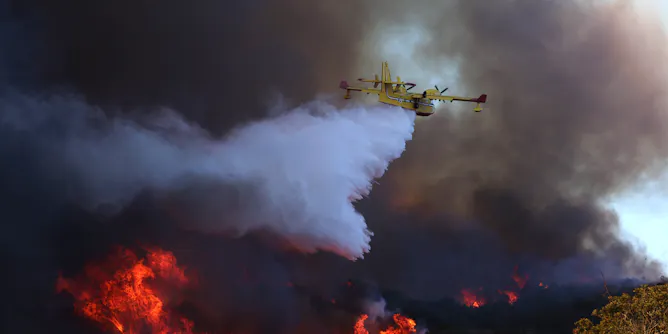
In emergencies, dumping ocean water on fires may be the best option. But seawater can have long-term effects on equipment and ecosystems, as a novel coastal experiment shows.
Articles on Sea level rise
Displaying 41 - 60 of 331 articles
Nearly 10% of the planet’s human inhabitants live within 3.1 miles of the coast − where the risk of climate disasters is often highest.

As sea levels rose around this low-lying island nation, soil salinity increased beyond what even the salt-tolerant mangrove trees could handle.
On land, Australia has already passed 1.5°C of warming, bringing lower streamflows, more fire weather and marine heatwaves.
Fossil fuel exports are important to Australia. Now its neighbours are asking it to stop.
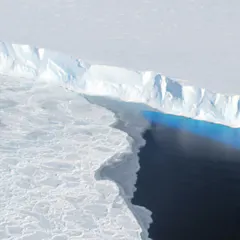
Antarctica’s riskiest glacier is a disaster in slow motion, a polar scientist writes. But in a rare bit of good news, the worst-case scenario may be off the table.

Our discovery of a tundra ecosystem, frozen under the center of Greenland’s ice sheet, holds a warning about the threat that climate change poses for the future.

The scientific and broader community must join together to advance Southern Ocean science and protect this vital natural asset.
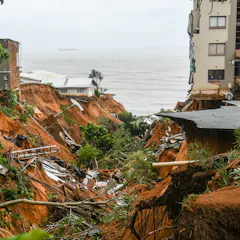
South Africa’s game reserves, tourist parks, chalets and ocean activities are being disrupted by extreme weather. To protect livelihoods, urban planning needs to adapt to climate change fast.
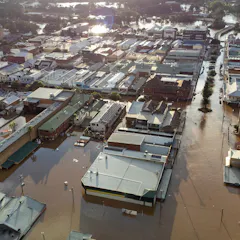
Climate change is making some parts of Australia unliveable or uninsurable. We need a national conversation about the planned relocation. A proposed National Relocation Authority can lead the way.
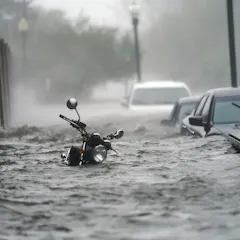
Global ocean temperatures have been at record highs almost daily for over a year, and economies are feeling the heat.
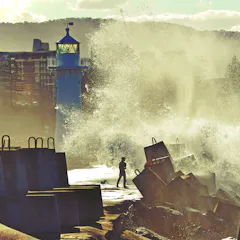
We make long term plans for railways, submarines and manufacturing. Why not for getting ready for rising seas?
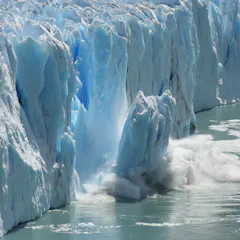
Water is very heavy – and it can move. Until now, changes to water on land have actually offset much of the rising sea level from ice melt. How? Gravity
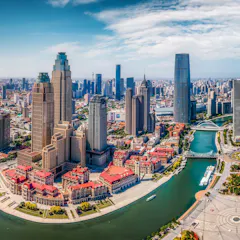
Cities can take action to stop subsidence – or else they need to adapt.
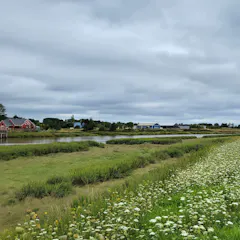
With the recent scrapping of Nova Scotia’s Coastal Protection Act, the future of Canada’s iconic Bay of Fundy now rests in the hands of private interests, with potentially significant consequences.
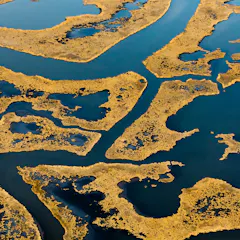
A coastal scientist explains why marshes, mangroves and other wetlands can’t keep up with the effects of climate change, and how human infrastructure is making it harder for them to survive.
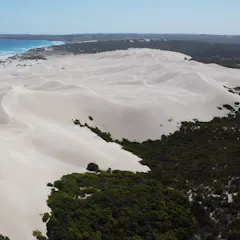
Some Aussie beaches are being reshaped and coastal dunes are marching inland. We used data from aerial photography, field surveys, laser mapping and drones to study incredible rates of change.

Public concerns for real estate value, and a focus on the self, make flood risk maps unpopular. However, these concerns should not dissuade governments from providing resources we can all trust.
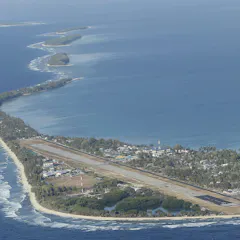
The climate migration deal has been dubbed as offering Tuvaluans a lifeline, but others say it is a neocolonial arrangement that does not tackle rising ocean levels.
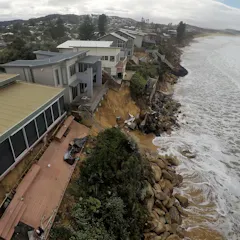
Even a small rise in sea level can have big impacts on coastal properties, so we must do all we can to limit the changes while taking them into account in coastal land-use planning.
Top contributors
-

Chair Professor, Climate Change Research Centre, UNSW
-
Professor of Geography, School of Law and Society, University of the Sunshine Coast
-
Professor of Climate Adaptation, University of East Anglia
-
Professor of Glaciology and Earth Observation, University of Bristol
-
Professor of Polar Geodesy and ARC Laureate Fellow, University of Tasmania
-
Assistant Professor, Disaster Research Center, University of Delaware
-
Principal Research Scientist, CSIRO
-
Senior Lecturer, School of Geography, Planning, and Spatial Sciences, University of Tasmania
-
Emeritus Professor, University of Sydney
-
Lead - Pilot Deployments Program (AIMS); Professor (Queensland University of Technology; Adjunct), Queensland University of Technology
-
Professor of Glaciology, Te Herenga Waka — Victoria University of Wellington
-
Adjunct professor, UNSW
-
Associate Professor, and Associate Investigator for the ARC Centre of Excellence for Climate Extremes, Monash University
-
University visitor, University of Southampton
-
Pro Vice-Chancellor of Research, University of Technology Sydney