
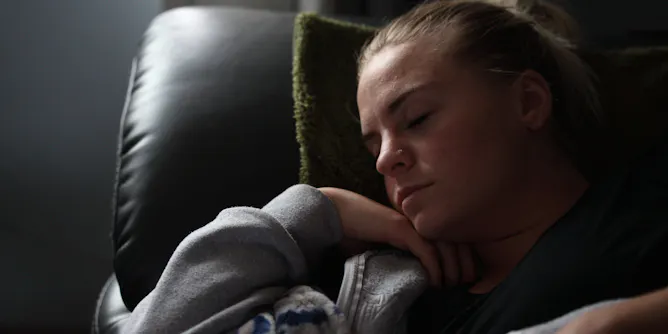
We know from other viruses that viral fragments can remain in different tissues for months or even years. This could be the case for long COVID.
Articles on SARS-CoV-2
Displaying 41 - 60 of 605 articles

There’s no one-size-fits-all approach for long COVID treatment, but exercise focusing on breathing and pacing yourself throughout the day often helps.
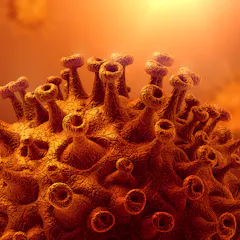
This variant seems to be causing a new symptom not commonly seen with earlier COVID strains.

Knowing if you have COVID or the flu can affect when you get vaccinated, need a particular antiviral, or if you need to work from home. But these combination tests can be expensive.

Certain immune cells acquired from a coronavirus that causes the common cold appear to react to COVID – but more so in children that adults.

The pandemic spurred the diagnostics industry to consider aspects like scale, affordability, speed and portability of tests.
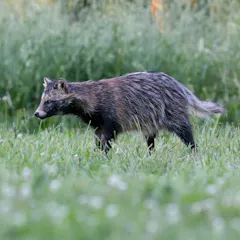
New reports suggest the pandemic’s origins may be linked to raccoon dogs sold at Wuhan’s Huanan Wholesale Seafood Market. A virologist explains.
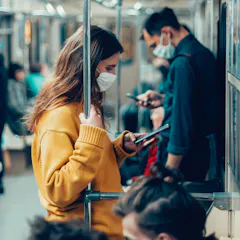
Previous infection was highly protective against reinfection with alpha, beta and delta variants, but less so against omicron BA.1.
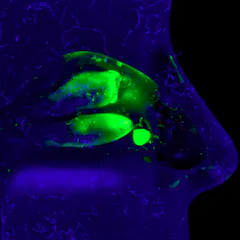
Vaccination is often combined with an injection. It can also take the form of a nasal spray: an approach that is still rare, but which could be effective against Covid. Here’s why.
Scientists are trying to find out whether there’s a genetic reason certain people have managed to avoid COVID for three years.
As it became clear that the solution to the COVID pandemic would come from medical research, many people volunteered for human challenge trials.

XBB.1.5 and other subvariants do signal a change in how the virus is mutating. Here’s what this means for Australia and globally.

Taking into consideration the number of excess deaths caused by COVID-19 compared with pre-pandemic years is critical to getting an accurate accounting of the pandemic’s real toll.

Nearly all the wastewater samples from aircraft arriving in the UK showed evidence of COVID-infected passengers on board.

A couple of theories are popular for explaining why we’re currently seeing very high levels of respiratory viruses, but they’re not based in science.

Inflammation and damage to the olfactory system from shingles, COVID-19 and herpes infections may contribute to Alzheimer’s disease.
The XBB.1.5 subvariant — nicknamed ‘Kraken’ — is arguably the most genetically rich and most transmissible SARS-CoV-2 Omicron subvariant yet.
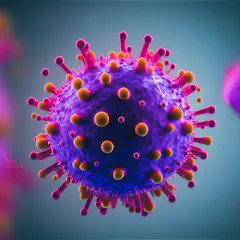
XBB.1.5, or ‘kraken’, can evade our immune systems better than earlier variants, and appears to be more infectious. But it’s not cause for alarm.

After a year of omicron variants, will we ever see a new variant of concern?

An effective nasal vaccine could stop the virus that causes COVID-19 right at its point of entry. But devising one that works has been a challenge for researchers.
Top contributors
-

Professor of Medicine, University of Virginia
-
Associate Professor, Epidemiology, Deakin University
-
Research associate, Warren Alpert Medical School, Brown University, Brown University
-
Associate Professor and Research Leader in Virology and Infectious Disease, Griffith University
-
Vice-Chancellor's Research Fellow, School of Health and Biomedical Sciences, RMIT University
-
Professor of Global Biosecurity, NHMRC L3 Research Fellow, Head, Biosecurity Program, Kirby Institute, UNSW
-
Dean Faculty of Health Sciences and Professor of Vaccinology at University of the Witwatersrand; and Director of the SAMRC Vaccines and Infectious Diseases Analytics Research Unit, University of the Witwatersrand
-
Instructor of Human Immunology, Emory University
-
Professor Emerita, Nursing, School of Nursing and Midwifery, Griffith University
-
Professor of Pathology, Microbiology and Immunology, University of South Carolina
-
Professor of Pathology, Microbiology and Immunology, University of South Carolina
-
Scientific Officer in Biomedical Sciences, University of Leeds
-
Postdoctoral Fellow in Virology and Immunology, University of Colorado Boulder
-
Professor of Molecular, Cellular and Developmental Biology, University of Colorado Boulder
-
Lecturer in Virology, Queen's University Belfast