

A new report finds tap water in more than 500 remote Indigenous communities isn’t regularly tested. But here’s why this isn’t news to us.
Articles on Safe drinking water
Displaying 21 - 33 of 33 articles
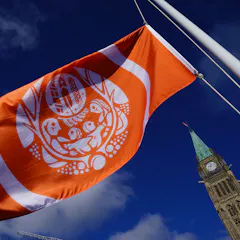
To fully implement the UN Declaration on the Rights of Indigenous Peoples, Canada must engage in genuine and inclusive law reform.
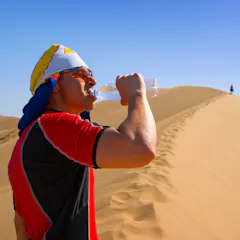
Drinkable water resources are becoming increasingly scarce. Are technologies such as desalination capable of averting such a crisis?
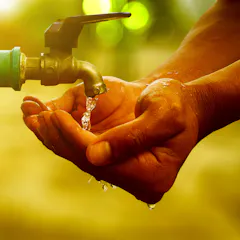
Water is a critical resource, enabling socio-economic development.
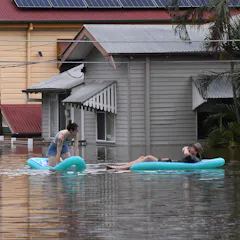
Ironically, excess rain can lead to a shortage of clean drinking water in times of storms and flooding.

It will cost tens of billions of dollars to find and remove all the lead service lines that deliver water to US homes and schools. A public health expert explains why he sees it as money well spent.

President Biden has proposed spending $45 billion to replace every lead water pipe and service line in the nation. A public health expert explains why he sees this as a worthwhile investment.
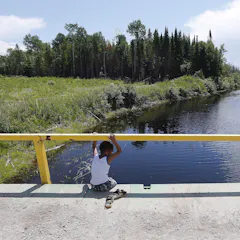
The federal government’s announcement that boil-water advisories on First Nations won’t end until 2023 at the earliest isn’t surprising. The true crisis is much greater than widely known.
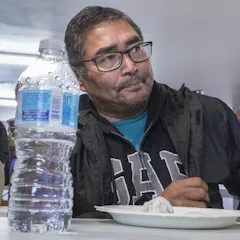
A tax on sugar-sweetened beverages may be intended to improve health, but for Indigenous consumers, such a tax would be unethical, contravene tax law and undermine Indigenous rights.

The federal government’s focus on eliminating long-term drinking-water advisories diverts attention from other water-related issues.
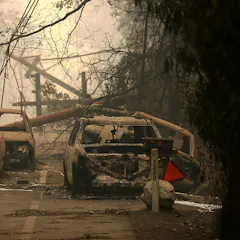
Buildings aren’t the only things at risk in wildfires. Recent disasters in California have left local water system contaminated with toxic chemicals afterward, slowing return and recovery.

A networked array of sensors could warn drinking water utilities in real time of harmful algal blooms and prevent public health crises.
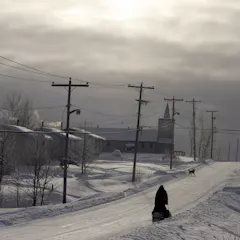
Canada’s public health-care system is one of the most well-developed in the world. And yet, many remote Indigenous communities are still not getting what they need.
Top contributors
-

Associate Professor in Environmental Science, Western Sydney University
-
Associate Professor and Water Management Expert, University of South Africa
-
Professor of Earth Sciences and Executive Director, Environmental Resilience Institute, Indiana University
-
Honorary Professor, School of Natural Sciences, Macquarie University
-
Professor of Chemistry, RMIT University
-
Senior Lecturer Emeritus, Stellenbosch University
-
Distinguished Research Professor and Director, Great Lakes Center for Fresh Waters and Human Health, Bowling Green State University
-
Associate Professor of Civil and Environmental Engineering and Earth Sciences, University of Notre Dame
-
Ph.D. student, Social Work and Indigenous Peoples, Carleton University
-
Professor of Science, University of Technology Sydney
-
Professor, Director, Griffith University
-
Director and Professor, Great Lakes Institute for Environmental Research, University of Windsor
-
Associate Professor in Public Health, The University of Queensland
-
Assistant Professor, Governance, Law and Management, Athabasca University
-
Reader in Civil and Environmental Engineering, Aston University