
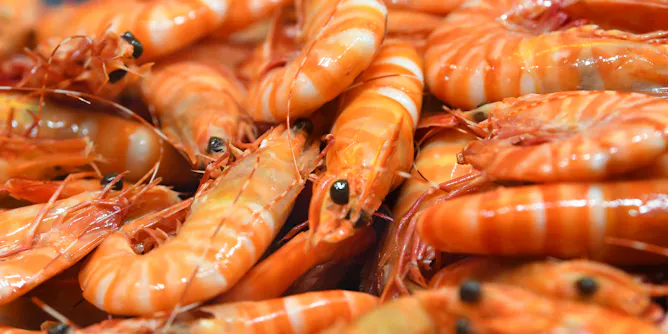
Australian seafood is vital to our culture and diets, and the national economy. We must take steps now to ensure aquaculture thrives in a warmer world.
Articles on Warming oceans
Displaying all articles
On land, Australia has already passed 1.5°C of warming, bringing lower streamflows, more fire weather and marine heatwaves.
How climate change will affect the world’s biggest fish.
Global ocean temperatures have been at record highs almost daily for over a year, and economies are feeling the heat.
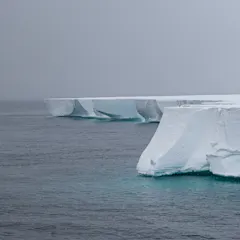
Seafloor sediments from beneath the Ross Ice Shelf represent an archive of warmer periods in Earth’s past. An ambitious international project aims to uncover what we can learn about our hotter future.
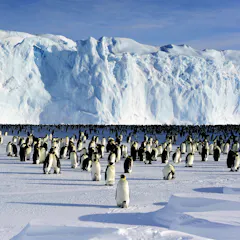
The first comprehensive assessment of trends in Southern Ocean ecosystems reveals an urgent need to address climate change. The summary for policymakers can guide decision-makers.
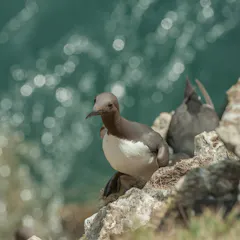
Studying a guillemot colony for 50 years has provided unique insights into how climate change and oil spills affect seabird populations.
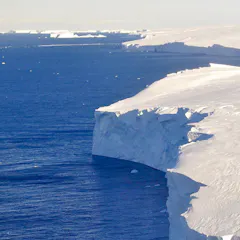
Thwaites Glacier’s ice shelf appears to be splintering, and scientists fear it could give way in the next few years. A polar scientist takes us on a tour under the ice to explain the forces at work.
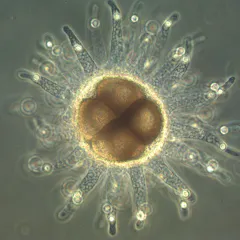
When offspring become more “costly” to make, mothers make fewer of them. And these offspring start life with fewer energy reserves.

Regulations have lowered mercury emissions globally, but the risks to ocean ecosystems and human health may be getting worse.
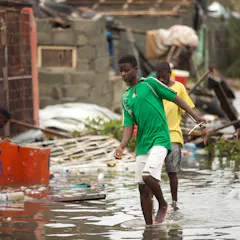
As storm directions change, countries that are outside the usual tropical storm zones need to ready themselves.

New research shows that ocean and air temperatures both contributed to the melting of Antarctica’s Ross Ice Shelf in the past, but melting from below by a warming ocean became more important over time.
Seagrass may look unassuming, but healthy oceans depend on the huge meadows that grow in temperate and tropical waters.
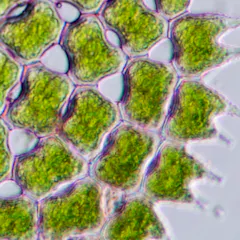
Phytoplankton are tiny, but they do important work.
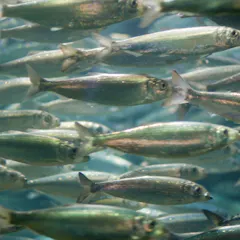
Fish are a key food source for millions of people worldwide. But a recent study finds long-term warming over the next 200 years could starve tiny plankton, with impacts that would ripple up food chains.

Record-breaking April heat is likely to continue for at least another month.
Top contributors
-

Ice Sheet & Climate Modeller, Te Herenga Waka — Victoria University of Wellington
-
Professor of Marine Micropaleontology, University of Kiel
-
General Manager Atmosphere and Climate, Earth Sciences New Zealand
-
Director of Research for the Center for the Blue Economy, Middlebury College
-
Research Scientist, ETH Zurich
-
Assistant Professor in Geology, Binghamton University, State University of New York
-
Senior Lecturer in Palaeoclimate, Te Herenga Waka — Victoria University of Wellington
-
Professor of Isotope Geochemistry, Imperial College London
-
Climatologist, Australian Bureau of Meteorology
-
Transdisciplinary Researcher & Knowledge Broker, CSIRO
-
Emeritus Professor of Zoology, University of Sheffield
-
Adjunct Professor (Practice) in the School of Earth, Atmosphere and Environment, Monash University
-
IWY-CERC Fellow, CSIRO
-
Adviser, Antarctica and Marine Systems, Science & Policy, University of Tasmania
-
PhD Candidate, University of Cape Town