
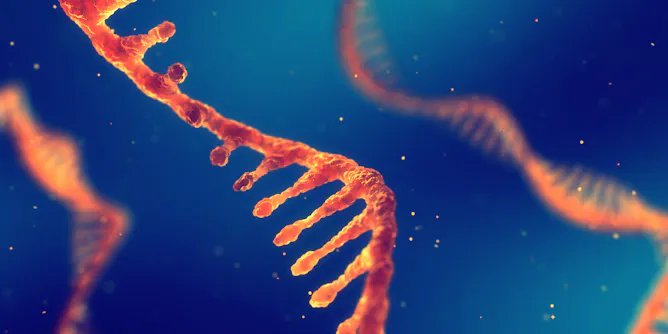
Long non-coding RNAs were long thought to serve no purpose. Now, researchers think differently.
Articles on RNA
Displaying 41 - 60 of 80 articles
Technology is allowing scientists to better understand fungal viruses, with the aim of managing them more effectively.

Technology that can identify stray bits of genetic material in the environment can help scientists monitor human and animal health.

The first full human genome was sequenced 20 years ago. Now, a project is underway to sequence 1 million genomes to better understand the complex relationship between genetics, diversity and disease.
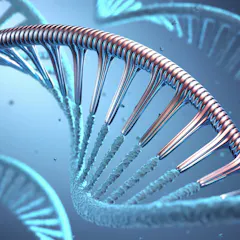
In the spotlight for its role in COVID-19 vaccines – and a Nobel Prize – mRNA is not a new invention. It’s a crucial messenger molecule at work every day in every cell in your body.
RNA was used to make COVID vaccines. Now it could lead to more personalised healthcare.

With COVID-19 cases soaring across the US and worldwide, the need for a vaccine could not be greater. Here’s where we stand on vaccine development, including positive results from Pfizer’s trial.

Jennifer Doudna and Emmanuelle Charpentier have been awarded the Nobel prize in Chemistry for their revolutionary work on ‘gene scissors’ that can edit DNA.
…and why Professor Chris Whitty is right.
Miniaturized laboratory equipment is making it easier to identify airborne pathogens in the field, but there’s still work ahead to be able to instantly determine if a room is safe or contaminated.
COVID-19 tests rely on a process developed at a biotech company co-founded by a Canadian. Canada’s current testing expertise needs to be channelled to prepare for the next wave, and the next pandemic.

Scientists in Spain have reported finding traces of the novel coronavirus in wastewater dating back to March 12, 2019.

Testing for coronavirus has been a fiasco in the US. But now companies are developing super fast tests, including ones that might eventually be as simple as at home pregnancy tests.
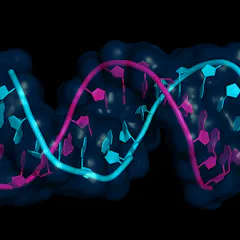
Tiny parts of our genome once thought useless are being turned into ways to diagnose and treat disease.
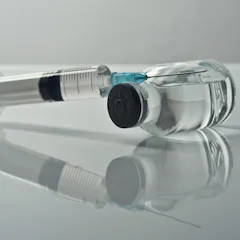
Vaccine development is usually a long process. The coronavirus pandemic is forcing researchers to innovate and test potential vaccines faster than ever before.
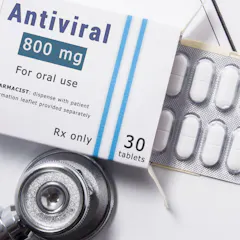
Finding drugs that treat the COVID-19 coronavirus may be just as important as developing a vaccine. But it’s much harder to create effective antivirals than antibiotics.
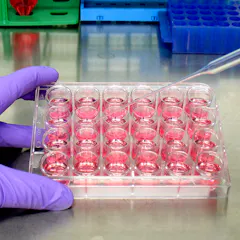
Researchers at the University of California, San Francisco, identified nine existing drugs that show promise to treat COVID-19. The proteins they target haven’t been tried before.
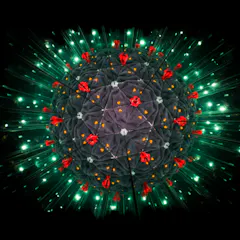
The SARS-CoV-2 virus that causes COVID-19 is constantly mutating. What do these mutations reveal about this virus’s evolution? And will this knowledge help us to develop a long-lasting vaccine?
It seems as though every other day we’re told a cure has been found for coronavirus. This is not strictly true – but there are some therapeutic options showing promise.
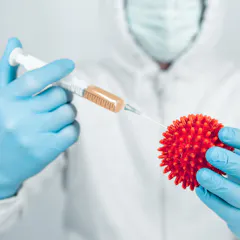
Under pressure to develop a coronavirus vaccine, researchers have turned to protein synthesis, genetics and hybrid viruses. It is likely a mix of these approaches will be used to fight the coronavirus.
Top contributors
-
 Jenny Graves is a Friend of The Conversation.
Distinguished Professor of Genetics and Vice Chancellor's Fellow, La Trobe University
-
Associate Professor of Biological Sciences, Purdue University
-
Assistant Professor of Biomedical Sciences, UMass Chan Medical School
-
Associate professor, Australian National University
-
Associate Professor, School of Chemistry, UNSW
-
Professor and Director of the Australian Centre for Astrobiology, UNSW
-
Senior Lecturer in Molecular Biology, Western Sydney University
-
Natural Environment Research Council Independent Research Fellow, University of Sheffield
-
Professor of Neuroscience, Royal Veterinary College
-
Associate Professor, School of Biomedical Engineering, University of Technology Sydney
-
Lecturer in Evolution, La Trobe University
-
Genomics Specialist, Children's Cancer Institute
-
Graduate Student in Biomedical Science, Harvard University
-
Research scientist, University of Oxford
-
Research Associate in Microbiology, University of Guelph