

Australian scientists have developed a cure for myrtle rust which could stop an unprecedented extinction event unfolding in native forests.
Articles on RNA
Displaying 21 - 40 of 80 articles

From COVID-19 vaccines to cancer treatments and beyond, the flexibility of mRNA-based therapies gives them the potential to prevent and treat many types of diseases.
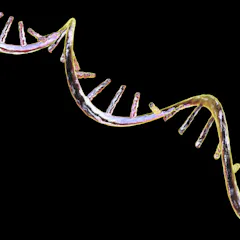
When just one of the thousands of microRNAs in people go awry, it can cause diseases ranging from heart disease to cancer.
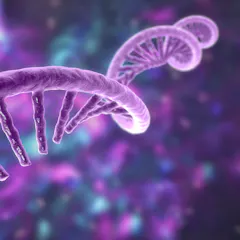
Scientists have known about the ‘formose reaction’ for 160 years. New research shows how it could have played a key role in the creation of life.
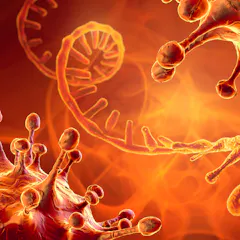
The human body has been making antivirals for eons, long before scientists did. A protein in your cells called viperin produces molecules that work similarly to the COVID-19 antiviral remdesivir.
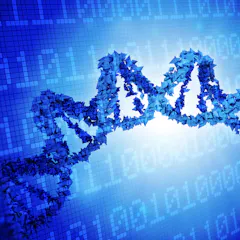
Many of the amino acids that make up proteins are encoded by genetic material in more than one way. An information theorist explains how principles of nature may account for this variance.

Phosphorus is the most elusive element crucial for life as we know it – and we now have the first evidence there’s some available in the oceans of Enceladus.

Genetics expert Jean Bennett explains how gene therapy is being used to treat certain forms of inherited blindness.
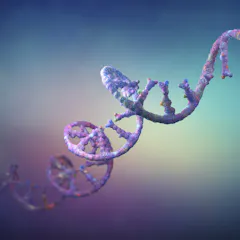
Making sure RNA molecules are in the right place at the right time in a cell is critical to development and normal function. Researchers are figuring out exactly how they get to where they need to go.

Fossil evidence of how the earliest life on Earth came to be is hard to come by. But scientists have come up with a few theories based on the microbes, viruses and prions existing today.
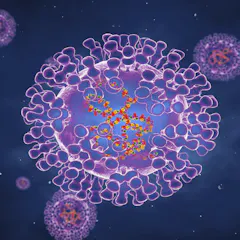
Nigeria must step up its preparedness for mpox.

Moderna co-founder Robert Langer developed the process that made COVID-19 vaccines possible. He spoke about his journey helping develop the science for various lifesaving treatments.
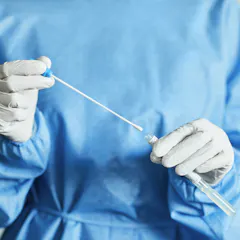
The two types of COVID-19 tests – antigen and PCR – work in very different ways, which is why one is fast but less accurate and the other is slow and precise.

UV lights come in a variety of different wavelengths, but not all are equally effective at disinfection. Researchers tested a number of commercially available lights to find the best.
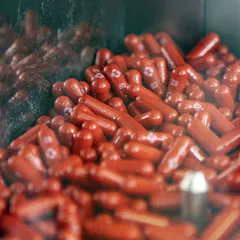
Merck announced preliminary data suggesting the drug reduced the risk of hospitalisation and death by 50%.
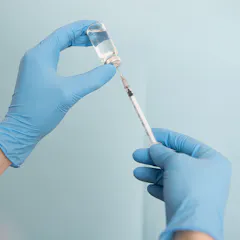
Gene silencing drugs target the underlying causes of a disease, rather than the symptoms it causes.
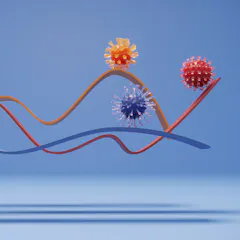
When the coronavirus copies itself, there is a chance its RNA will mutate. But new variants must jump from one host to another, and the more infections there are, the better chance this will happen.
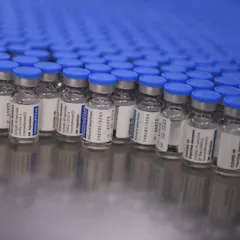
Thanks to the collaborative efforts of governments, funding agencies, academia, biotech and pharmaceutical companies, large-scale manufacturing of mRNA drug products is becoming a reality.
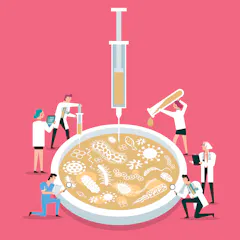
Antibiotic resistance is one of the biggest public health threats in the world. New research, however, may have found a way to keep up with rapidly evolving bacteria.
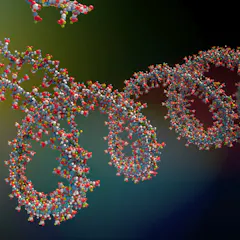
Machine learning is great at finding patterns but doesn’t know what those patterns mean. Combine it with knowledge gained from genetic research and you have a powerful view into the workings of cells.
Top contributors
-
 Jenny Graves is a Friend of The Conversation.
Distinguished Professor of Genetics and Vice Chancellor's Fellow, La Trobe University
-
Associate Professor of Biological Sciences, Purdue University
-
Assistant Professor of Biomedical Sciences, UMass Chan Medical School
-
Associate professor, Australian National University
-
Associate Professor, School of Chemistry, UNSW
-
Professor and Director of the Australian Centre for Astrobiology, UNSW
-
Senior Lecturer in Molecular Biology, Western Sydney University
-
Natural Environment Research Council Independent Research Fellow, University of Sheffield
-
Professor of Neuroscience, Royal Veterinary College
-
Associate Professor, School of Biomedical Engineering, University of Technology Sydney
-
Lecturer in Evolution, La Trobe University
-
Genomics Specialist, Children's Cancer Institute
-
Graduate Student in Biomedical Science, Harvard University
-
Research scientist, University of Oxford
-
Research Associate in Microbiology, University of Guelph