
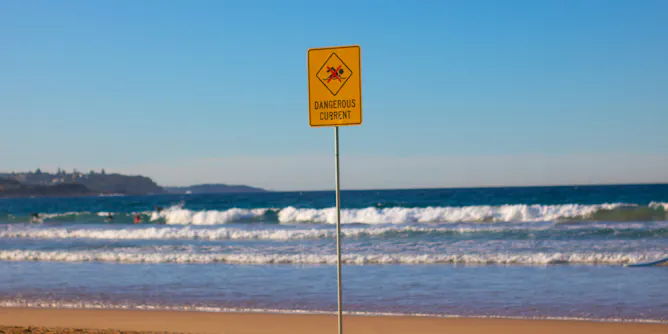
Water safety experts are partnering with computer scientists to harness the power new technology to help save lives this summer.
Articles on rip currents
Displaying all articles

The Costa Rican beach where actor Malcolm-Jamal Warner drowned is known for its dangerous rip currents. A researcher who has studied the beach explains why it’s so dangerous.
To ensure a safe trip to the beach, seek out information about rip currents and other surf hazards in the Great Lakes.

At least 53 emergency response beacons have been installed on NSW beaches so far. They could save your life, but most beachgoers don’t know what they are.
Rips kill more people a year on average than bushfires, floods, cyclones and sharks combined. Brush up on the latest advice so you can stay safe this summer.
Rip currents are one of the great dangers of Australian beaches. We can learn a lot about avoiding and escaping this natural hazard by asking survivors what being caught in a rip is really like.
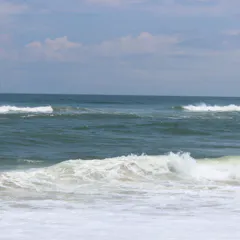
Rip currents are a leading cause of near-shore drownings, but there are effective ways to survive one. And these phenomena also play important ecological roles that are an emerging research area.

Gaps in swimming lessons, lifeguard shortages and climate change may make water-based activities even riskier this summer.
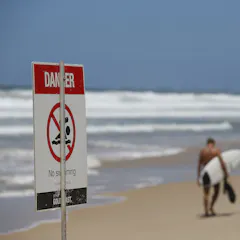
When a loved one is struggling in the water, you might want to rush in to save them. But make sure you stop and think or you could become the one in trouble.
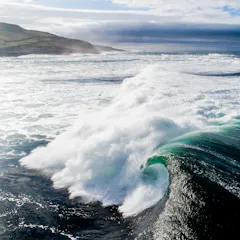
There’s much more to waves than the part you see at the beach.
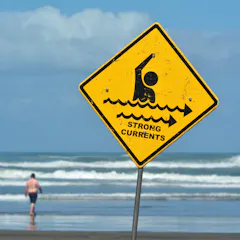
It’s good to know how currents are formed in the ocean, as they can be quite dangerous!
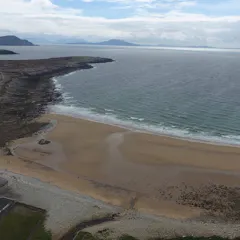
A entire beach in Ireland has returned 33 years after being washed away.
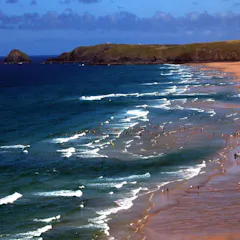
Knowing how rip currents form and how to spot them could save your life.
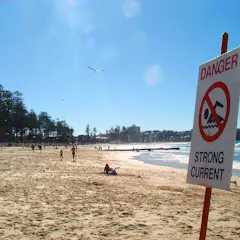
On average 21 people drown each year in rip currents on Australian surf beaches. This value exceeds the long-term annual average of fatalities caused by bush fires, floods, cyclones and sharks combined…
Top contributors
-

Professor, UNSW Beach Safety Research Group, School of Biological, Earth & Environmental Sciences, UNSW
-
NHMRC Research Fellow, School of Population Health and Co-founder UNSW Beach Safety Research Group, UNSW
-
Professor in Department of Earth and Environmental Science, and Dean of Science, University of Waterloo
-
Data Analyst, NOAA Hazard Forecasting, University of Washington
-
Senior Lecturer in Civil Engineering Hydraulics, University of Bath
-
Research Fellow in Public Health, The University of Queensland
-
Professor in Human Kinetics, L’Université d’Ottawa/University of Ottawa
-
Associate Professor in Psychological Science, Western Sydney University
-
Senior Lecturer, School of Business, Western Sydney University
-
Associate Professor, School of Social Sciences and Psychology, Western Sydney University
-
Senior Lecturer in Ocean and Earth Science, University of Southampton
-
Postdoctoral Scholar, Applied Physics Laboratory, University of Washington
-
PhD Student in Civil and Environmental Engineering, University of Washington
-
PhD Student, School of Human Kinetics, L’Université d’Ottawa/University of Ottawa
-
Postdoctoral research scholar, North Carolina State University