
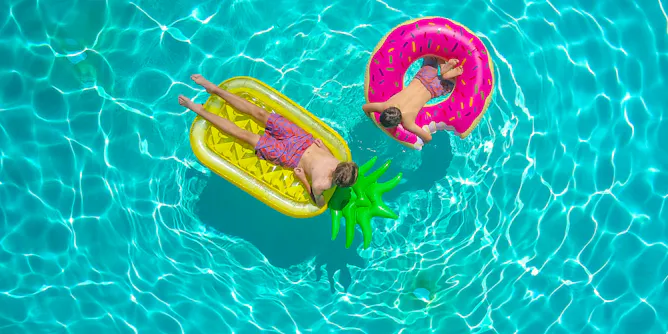
Before you accept the pool party invitation or host your own, ask these questions first.
Articles on Drownings
Displaying 1 - 20 of 23 articles
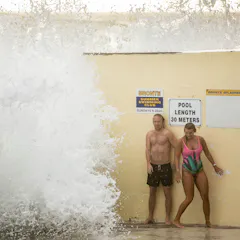
Long-period swell is a classic hidden hazard that can trick even the most experienced beach goers.
What drives surfers to hit the waves as a cyclone approaches the coast? And what will it take to get them to stop?

At least 53 emergency response beacons have been installed on NSW beaches so far. They could save your life, but most beachgoers don’t know what they are.
We’ve had many public awareness campaigns, yet Australia is still nowhere near the federal-government supported goal of zero drownings.

The day after heavy drinking can affect your body, energy levels and perception of risk in many ways. So swim before you drink, not the other way round.
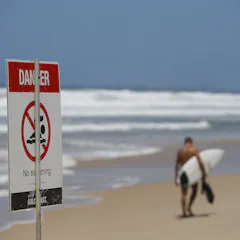
Almost 300 Australians drown each year, the vast majority being male. Why is this happening and what can be done?
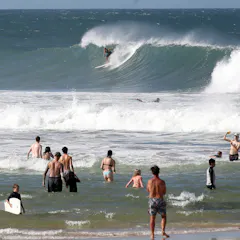
All 54 drownings on the Australian coast last summer occurred in locations not patrolled by professional lifeguards or volunteer surf lifesavers. That is a stark statistic.
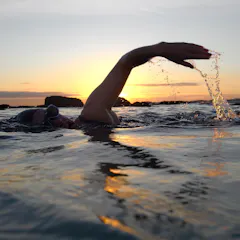
New research reveals drowning risk increases during Australian heatwaves, especially severe heatwaves. Here’s who is most at risk and what we can all do to stay safe.
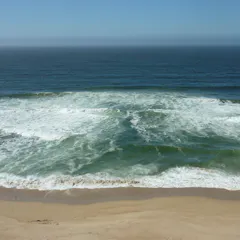
Rip currents are one of the great dangers of Australian beaches. We can learn a lot about avoiding and escaping this natural hazard by asking survivors what being caught in a rip is really like.
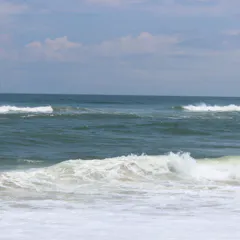
Rip currents are a leading cause of near-shore drownings, but there are effective ways to survive one. And these phenomena also play important ecological roles that are an emerging research area.
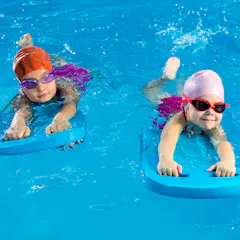
An estimated 40% of children leave primary school without being able to swim the length of an Olympic swimming pool.
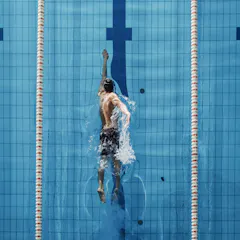
Gaps in swimming lessons, lifeguard shortages and climate change may make water-based activities even riskier this summer.
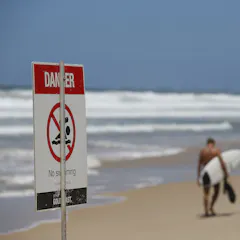
When a loved one is struggling in the water, you might want to rush in to save them. But make sure you stop and think or you could become the one in trouble.
Non-swimming adults must first get familiar with the different sensations in and underwater.
Australians are entering our most dangerous time of year for fatal drownings. So what can you do to keep yourself and loved ones safer this summer?
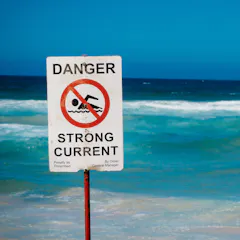
Just because a beach is accessible, has restaurants, lounge chairs and vendors, and is near a resort, does not mean it’s safe.
Migrants are no more at risk of drowning than Australian-born swimmers but you’d never know from media reports.
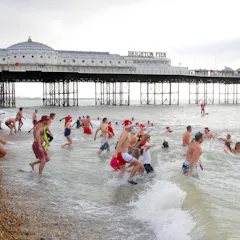
Cold water drowning kills many people every year. But can it also provide curative benefits? We asked an expert.
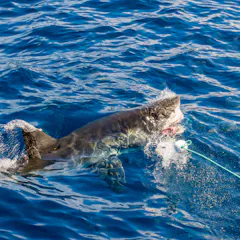
A Stanford professor developed a handy way of estimating and comparing our risk of death from various events – the micromort.
Top contributors
-

NHMRC Research Fellow, School of Population Health and Co-founder UNSW Beach Safety Research Group, UNSW
-
Professor, UNSW Beach Safety Research Group, School of Biological, Earth & Environmental Sciences, UNSW
-
Research Fellow in Public Health, The University of Queensland
-
Professor in Department of Earth and Environmental Science, and Dean of Science, University of Waterloo
-
Adjunct Professor of Criminology, University of Canberra
-
Associate Professor, Epidemiology, Deakin University
-
Lecturer, Public Health, James Cook University
-
Professor of Public Health, James Cook University
-
Postdoctoral research scholar, North Carolina State University
-
Data Analyst, NOAA Hazard Forecasting, University of Washington
-
Senior research fellow, George Institute for Global Health
-
Postdoctoral Scholar, Applied Physics Laboratory, University of Washington
-
Senior Lecturer in Forensic Bioscience, Liverpool John Moores University
-
Research assistant in Public Health, Medical, and Veterinary Sciences, James Cook University
-
PhD Candidate, George Institute for Global Health