
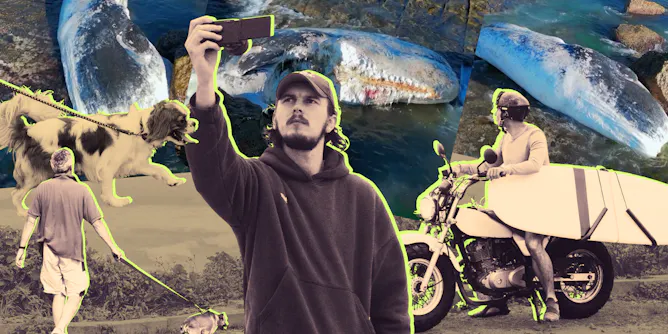
Don’t be a selfie tragic. Avoid dead whales, rock ledges and hungry sharks. Oh, and the carcass might explode.
Articles on beach safety
Displaying all articles

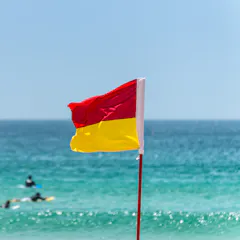
To international visitors, red and yellow beach flags may look like a warning.
Be safe this summer by learning the latest rip survival guidelines with this 5-minute quiz.

At least 53 emergency response beacons have been installed on NSW beaches so far. They could save your life, but most beachgoers don’t know what they are.
We’ve had many public awareness campaigns, yet Australia is still nowhere near the federal-government supported goal of zero drownings.
Beach cabanas serve a valid purpose. But make sure you use them carefully and responsibly, so everyone’s day at the beach is safe and enjoyable.
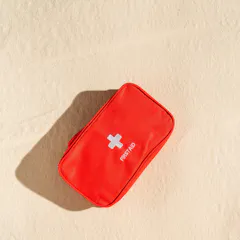
What you know and what you bring with you to the beach could protect you from dangers including sunburn and heat exposure, injury or death.

Rips kill more people a year on average than bushfires, floods, cyclones and sharks combined. Brush up on the latest advice so you can stay safe this summer.
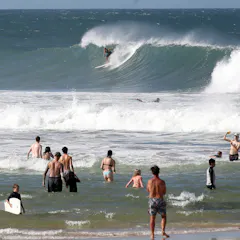
All 54 drownings on the Australian coast last summer occurred in locations not patrolled by professional lifeguards or volunteer surf lifesavers. That is a stark statistic.
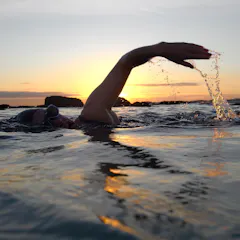
New research reveals drowning risk increases during Australian heatwaves, especially severe heatwaves. Here’s who is most at risk and what we can all do to stay safe.
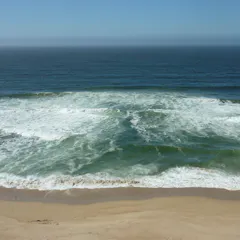
Rip currents are one of the great dangers of Australian beaches. We can learn a lot about avoiding and escaping this natural hazard by asking survivors what being caught in a rip is really like.

Hot water, cold water, rubbing with sand? What our new review says works best to treat jellyfish stings.

Move over beach umbrellas, it’s the summer of the beach cabana. But these popular sun shelters may not protect you as much as you think.
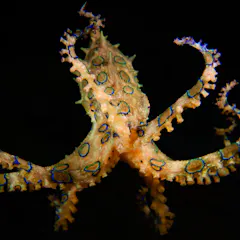
Ranging from 12 to 22 centimetres, these tiny octopus are extremely venomous and found all over Australia. Here’s what to do if you see someone get bitten.
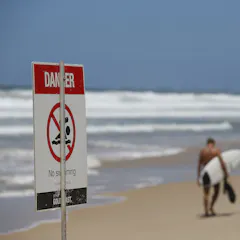
When a loved one is struggling in the water, you might want to rush in to save them. But make sure you stop and think or you could become the one in trouble.
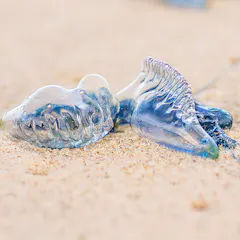
The direction a beach faces, relative to wind direction, largely determines how many bluebottles are pushed to shore.
Top contributors
-

Professor, UNSW Beach Safety Research Group, School of Biological, Earth & Environmental Sciences, UNSW
-
Research Fellow in Public Health, The University of Queensland
-
NHMRC Research Fellow, School of Population Health and Co-founder UNSW Beach Safety Research Group, UNSW
-
Professor of Dermatology, The University of Queensland
-
Senior lecturer, UNSW
-
Adjunct Senior Lecturer, UNSW Beach Safety Research Group, UNSW
-
Associate Professor and Marine Ecologist, Adelaide University
-
Chair professor, University of Newcastle
-
Research assistant in Public Health, Medical, and Veterinary Sciences, James Cook University
-
Professor and Director of the Division of Emergency Medicine , McMaster University
-
Lecturer, Public Health, James Cook University
-
Associate Lecturer in Nursing, Southern Cross University
-
Lecturer, Nursing, Faculty of Health, Southern Cross University
-
The Conversation
-
Postdoctoral Researcher, Dermatology Research Centre, The University of Queensland