
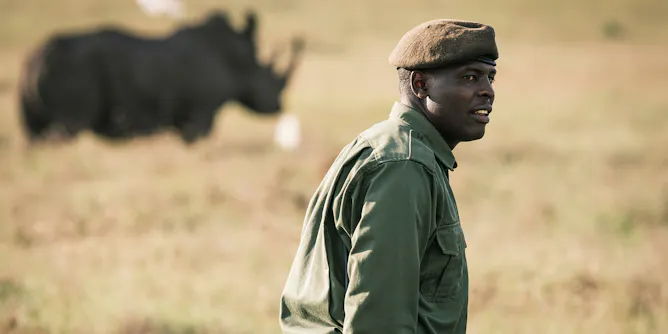
This documentary misses the opportunity to discuss why some local people feel threatened by rhino conservation.
Articles on Rhino trade
Displaying all articles

South African film is still popular for stories about animals and conflict. The Last Ranger combines both in a slick, well acted short film.

For rhino specialists, translocation has been one of the most important tools in the conservation box of tricks.
Policymakers need to proceed with caution when it comes to legalising rhino horn as it could be a high risk strategy.
The first online rhino auction in South Africa wasn’t a success. This has done very little to help rhinos. It may, in fact, encourage more poaching as demand has not slowed down.

The rhino horn auction in South Africa is a serious setback in the fight against poaching and the survival of wild rhinos. The chances of the horns remaining in the country are next to zero.
The fascination and admiration of the natural environment may draw people closer to it, but it’s crucial to remain responsible about any desire to own a piece.
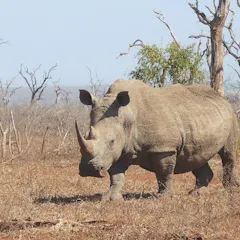
Swaziland hoped to be allowed to legally trade rhino horns but the idea was rejected by vote at the CITES conference.
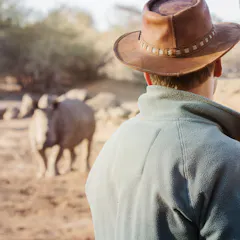
Military responses to combat poaching are a problem. They marginalise communities where poachers come from and can have longer term implications.
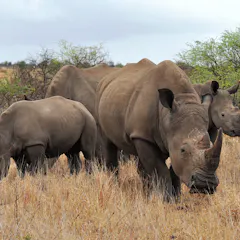
Initiatives to curb rhino poaching in the Kruger National Park has shown improvement compared to last year. But poaching in other parks has increased.
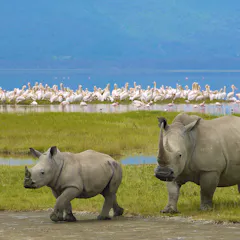
Rhino horn trade is a hotly contested topic. Proponents believe it can aid conservation efforts. But those in opposition believe it will cause poaching to increase.
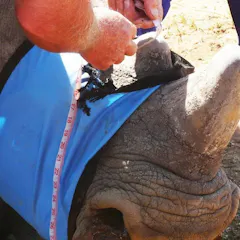
A few national parks and reserves want to dehorn rhinos and there is a lobby for a regulated and closely monitored legal trade in rhino horn. But this is met by opposition from many.

The amount of ivory on sale in Vietnam has increased by more than 600% in the past eight years. As China has taken a tougher stance on the ivory trade, sales in Vietnam have increased.
Top contributors
-

Visiting Professor, University of Kent
-
Senior Researcher at the CIB based in the Department of Botany and Zoology, Stellenbosch University
-
University Research Fellow, University of Manchester
-
Professor of Political Economy, University of the Witwatersrand
-
Extraordinary lecturer at the Centre for Wildlife Management, University of Pretoria
-
Research Associate, Department of International Relations, University of the Witwatersrand; Chief Research Officer, Good Governance Africa; Managing Director, Harvey Economics Pty Ltd.
-
Associate Professor of Geography, York University, Canada
-
Chair IUCN rhino specialist group and Research Associate, Nelson Mandela University
-
Senior Lecturer in Film and Television Studies, University of Cape Town