

Black rhino conservation focuses on areas with acacia trees – but they actually prefer to eat grass.
Articles on Black rhino
Displaying all articles
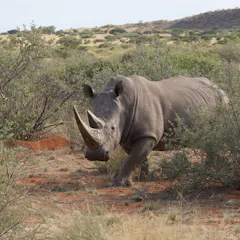
Legal hunting helps rhino conservation for biological and socio-economic reasons.

For rhino specialists, translocation has been one of the most important tools in the conservation box of tricks.
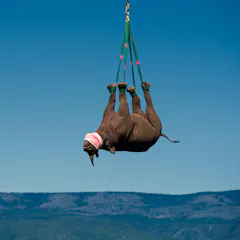
Helicoptering heavy herbivores across Africa is no laughing matter.

The rhino horn auction in South Africa is a serious setback in the fight against poaching and the survival of wild rhinos. The chances of the horns remaining in the country are next to zero.
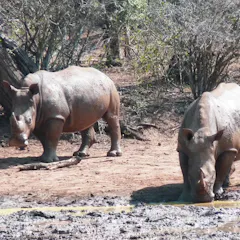
South Africa’s KwaZulu-Natal province is bearing the brunt of renewed rhino poaching efforts. This is a result of increased security and anti-poaching in the Kruger National Park.
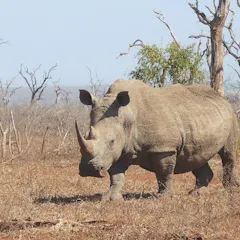
Swaziland hoped to be allowed to legally trade rhino horns but the idea was rejected by vote at the CITES conference.
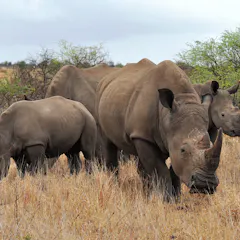
Initiatives to curb rhino poaching in the Kruger National Park has shown improvement compared to last year. But poaching in other parks has increased.
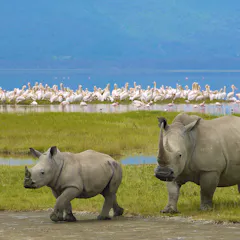
Rhino horn trade is a hotly contested topic. Proponents believe it can aid conservation efforts. But those in opposition believe it will cause poaching to increase.
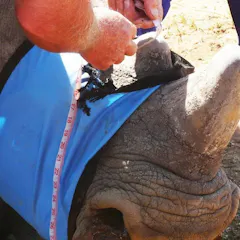
A few national parks and reserves want to dehorn rhinos and there is a lobby for a regulated and closely monitored legal trade in rhino horn. But this is met by opposition from many.
Top contributors
-

Visiting Professor, University of Kent
-
Oxford Martin Fellow, Research Associate, Illegal Wildlife Trade, University of Oxford
-
Research Associate, Department of International Relations, University of the Witwatersrand; Chief Research Officer, Good Governance Africa; Managing Director, Harvey Economics Pty Ltd.
-
University Research Fellow, University of Manchester
-
Chair IUCN rhino specialist group and Research Associate, Nelson Mandela University
-
Lecturer in the School of Applied Sciences, Edinburgh Napier University
-
Postdoctoral researcher, Chr. Michelsen Institute