
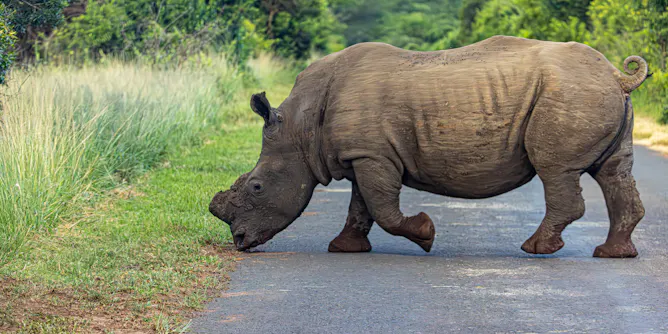
A new Kruger National Park study has conclusively found that dehorning rhino can save most from poachers, but some will still be killed for their stumps.
Articles on Rhino conservation
Displaying all articles
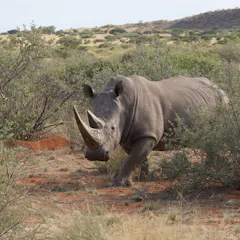
Legal hunting helps rhino conservation for biological and socio-economic reasons.
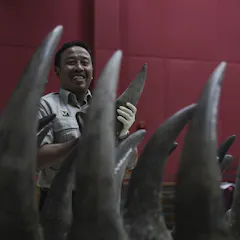
Our findings suggest that the demand for rhino horn is unlikely to fall because people’s beliefs are firmly entrenched.
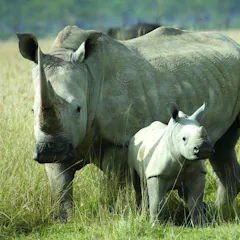
Would you pay to see rhinos in Australia’s savannas or forests? It’s not as crazy as it sounds – and could help save collapsing rhino populations.
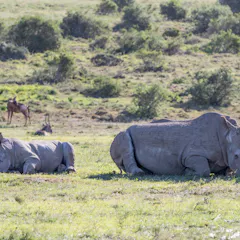
Policymakers need to proceed with caution when it comes to legalising rhino horn as it could be a high risk strategy.
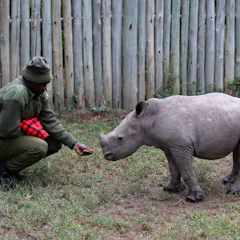
Local and indigenous communities remain mostly excluded from real benefits, and conservation often comes at a huge cost to them.
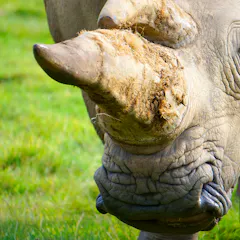
The first online rhino auction in South Africa wasn’t a success. This has done very little to help rhinos. It may, in fact, encourage more poaching as demand has not slowed down.

The rhino horn auction in South Africa is a serious setback in the fight against poaching and the survival of wild rhinos. The chances of the horns remaining in the country are next to zero.

The $4m cost is almost double the anti-poaching budget for South African National Parks.
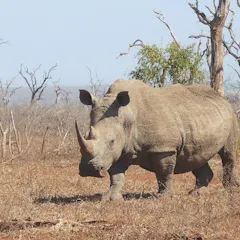
Swaziland hoped to be allowed to legally trade rhino horns but the idea was rejected by vote at the CITES conference.
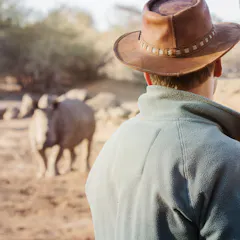
Military responses to combat poaching are a problem. They marginalise communities where poachers come from and can have longer term implications.
Top contributors
-

Visiting Professor, University of Kent
-
Research Associate, Department of International Relations, University of the Witwatersrand; Chief Research Officer, Good Governance Africa; Managing Director, Harvey Economics Pty Ltd.
-
Associate Professor of Geography, York University, Canada
-
Professor of Conservation Science, University of Newcastle
-
Extraordinary lecturer at the Centre for Wildlife Management, University of Pretoria
-
Associate Professor, University of Copenhagen
-
PhD Fellow, University of Copenhagen
-
Distinguished Research Professor and Australian Laureate, James Cook University
-
Professor of Political Economy, University of the Witwatersrand
-
Oxford Martin Fellow, Research Associate, Illegal Wildlife Trade, University of Oxford
-
Chief research officer: Global Risk Governance Programme, Public Law Department, Faculty of Law, University of Cape Town
-
Senior Lecturer - Biodiversity and Statistics, Nelson Mandela University