
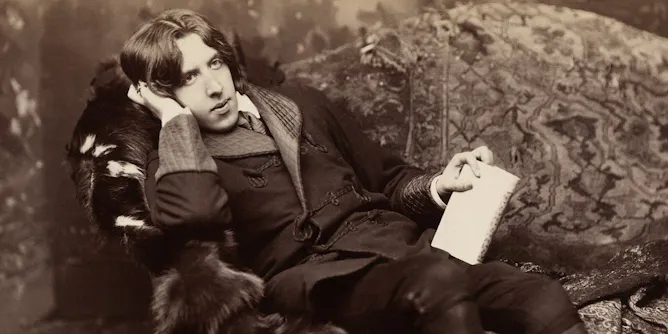
The poem reveals the mind-numbing conditions and physically exhausting jobs that were relentlessly inflicted on prisoners in Wilde’s day.
Articles on Rethinking the Classics
Displaying 21 - 35 of 35 articles
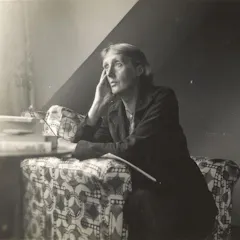
A century on, Mrs Dalloway speaks in so many ways to our own moment of militarisation, neo-imperialism and political crisis.

Both art forms encourage us, the listeners, to react, reflect and ultimately select with which speaker to side.
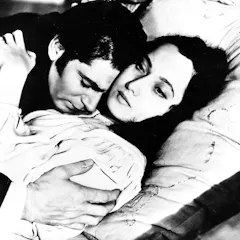
Wuthering Heights explores the absolute power that marriage can grant to abusive men.
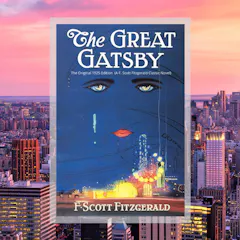
The fractured sense of time that F. Scott Fitzgerald creates challenges literary convention. It also reflects a world in flux after the first world war.
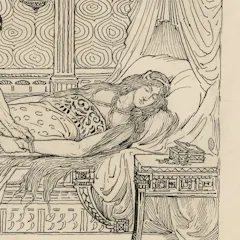
Like an ageing rock band contracted for one last farewell tour, in Cymbeline, Shakespeare’s back playing the hits.
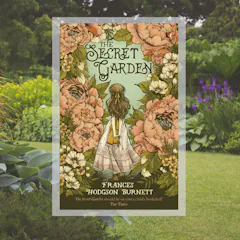
Climate fiction is a type of storytelling that imagines how climate change could shape our world.

John Ruskin, England’s preeminent mid-Victorian critic, wrote off the Mona Lisa as a total mess.
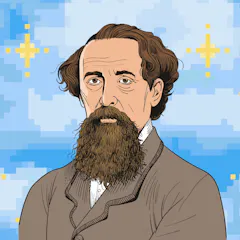
Perhaps the strongest argument for Great Expectations as evidence of Dickens’ potential as a videogame writer are its multiple endings.
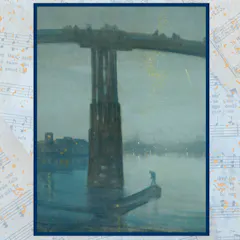
Whistler’s paintings were first compared to music in 1863 when the French critic Paul Manz described his haunting portrait, The White Girl as a ‘symphony in white’.
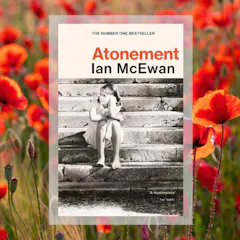
Life stages, ageing and creativity are important themes in Atonement.
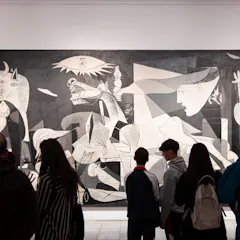
Reading Guernica as a comic positions the painting not as a lofty work of fine art, but as a public narrative of violence.
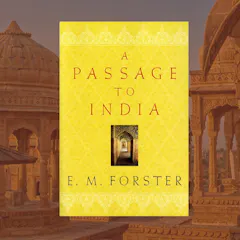
Forster composed most of this novel in a flurry of concentrated activity while the world was emerging, traumatised, from a global influenza pandemic.
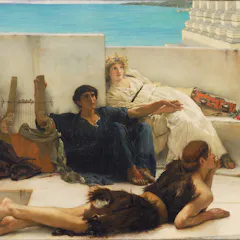
Homeric heroes must get nature on their side if they are to overcome the enemy.
This series offers insightful new ways to think about and interpret classic books and artworks.
Top contributors
-

Teaching Associate French, School of Languages, Arts and Societies., University of Sheffield
-
College Teaching Associate (Peterhouse), University of Cambridge
-
Lecturer in Early Twentieth-Century English Literature, University of Birmingham
-
Research Associate, Institute for Prehistory and Early History and Medieval Archaeology, University of Tübingen
-
Lecturer in Culture, Media and Creative Industries, King's College London
-
Senior Lecturer in English and Creative Writing, Sheffield Hallam University
-
Research Associate, Curation and Communication, University of Tübingen
-
Lecturer in English for Academic Purposes, University of Manchester
-
Professor of Victorian Literature, Editorial Board Chair, Keele University
-
Personal Chair of 19th-Century Art, History of Art, University of Edinburgh
-
Lecturer in Creative Writing (Interdisciplinary Futures), University of Edinburgh
-
Research Fellow, literature, art history and gender studies, University of Exeter
-
Lecturer in English and Creative Writing, University of Exeter
-
Lecturer, Centre for the Arts in Society, Leiden University
-
Interdisciplinary Doctoral Researcher in English Literature and Indigenous History, University of Hull