
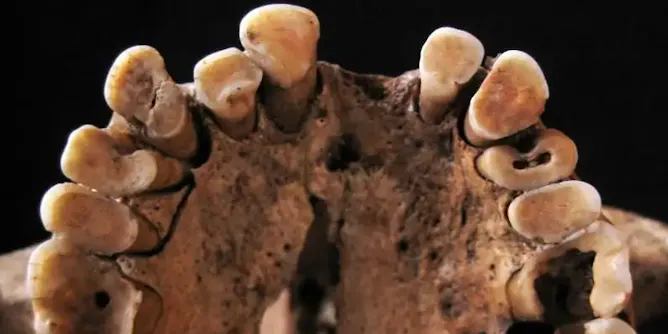
Findings from a new study challenge the traditional view that a heavy reliance on plant-based diets started only with the advent of agriculture.
Articles on Research highlights Africa
Displaying all articles
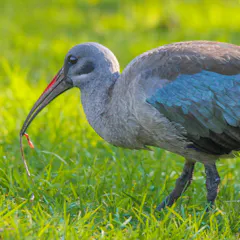
Africa’s hadeda ibises can sense vibrations using a special sensory organ in their beaks. But they need moist soil for it to work.
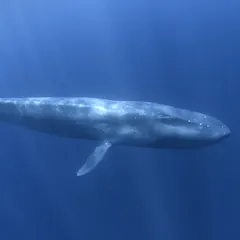
The first dedicated scientific surveys have confirmed the presence of blue whales in Seychelles.

There is only one audiologist for every million people in Africa. Pioneering digital devices help close the gap.
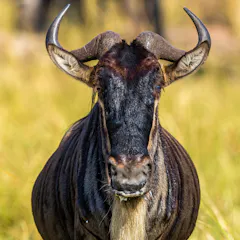
Africa’s great wildebeest migrations are being disrupted by roads, cities and agriculture.

The level of microplastic pollution in Osun River may be the highest in the world. Banning single-use plastics may help.
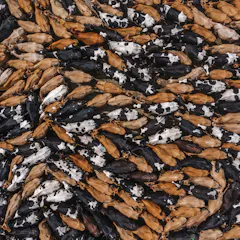
Knowing which parts of Africa best help to store carbon means funding and policy efforts can be directed to protecting and increasing this carbon ‘land sink’.
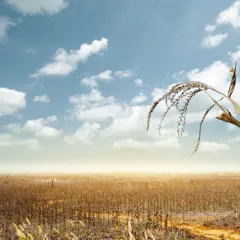
A new study reveals that from 2050, Africa will suffer from food and water scarcity, and a massive loss of jobs in agriculture, unless climate change mitigation measures are put in place now.

Migrating animals are vital to the health of ecosystems worldwide but a new report says they are in grave danger.
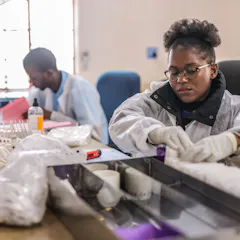
Agincourt, the University of the Witwatersrand’s rural research centre 500km from Johannesburg, has documented the lives of 120,000 people over decades.

African wood species are clearly suitable to make violins. They produce an instrument with a beautiful, though slightly different sound.

It is essential to add genomic data from all global populations - including Africa. This will ensure that everyone can benefit from the advances in health.
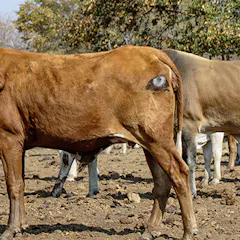
Many carnivores are ambush predators. Being seen by their prey can lead to them abandoning the hunt.
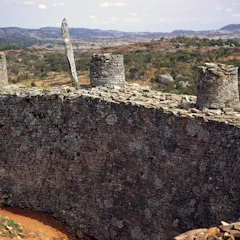
Archaeologists have long studied diseases in past populations. They’ve explored the evolution of pathogens and how they interacted with humans.

This is a hugely important find. It means that one of our earlier ancestors possibly originated in southern Africa.
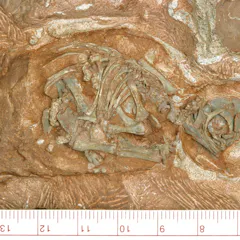
The secrets of the embryonic dinosaurs whose parents roamed South Africa 200 million years ago are finally in the process of being hatched.
Top contributors
-

Senior Researcher and Statistician, University of Hohenheim
-
Professor Evolution & Ecology, UNSW
-
Professor in Geochronology and Geochemistry, Southern Cross University
-
Senior lecturer, UNSW
-
Prof of Archaeological Science, University of Oxford
-
Palaeoanthropologist
-
Professor of Palaeoanthropology, La Trobe University
-
Professor: Health and Population Division, School of Public Health, University of the Witwatersrand
-
Researcher in Systems Ecology, University of the Witwatersrand
-
Associate Professor, School of Economics and Finance, University of the Witwatersrand
-
Director: MRC/Wits Rural Public Health and Health Transitions Research Unit (Agincourt), University of the Witwatersrand
-
Professor of Ecology, University of the Witwatersrand
-
Researcher in Palaeoanthropology, University of Johannesburg
-
Professor in Audiology in the Department of Speech-Language Pathology and Audiology, University of Pretoria
-
Associate Professor, Institute of Environment, Coastlines and Oceans Division, Florida International University