
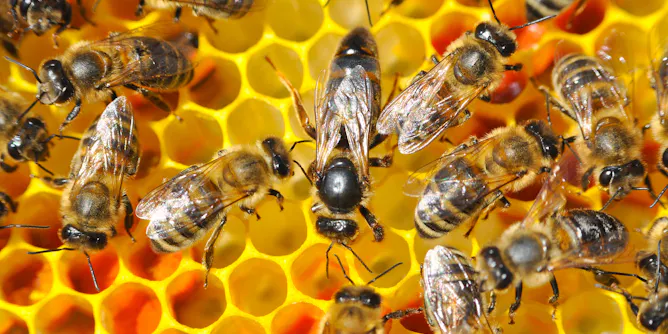
Studying bee sperm is difficult because of the way it coils, but fluorescent light illuminates the head of the sperm. Sperm quality may indicate stress levels in the bee colony.
Articles on Reproduction
Displaying 41 - 60 of 146 articles

Americans have long said they generally support abortion rights, but understanding specific breakdowns of opinion across demographics, and the history of abortion beliefs, is also important.

We need more health workers and public hospitals to provide abortions, a common and essential health service.
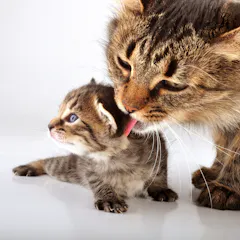
Live birth has evolved independently more than 150 times. The underlying biophysical processes all look quite similar, but new research shows they use completely different genetic tools.
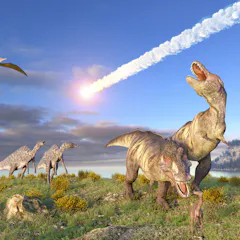
Cockroaches have been on Earth far longer than humans and may outlast us. Here are a few reasons why.

While most women who try for a baby will succeed, some won’t, and some will have fewer children than they had planned to have.

Breathless headlines of artificial intelligence discovering or restoring lost works of art ignore the fact that these machines rarely, if ever, reveal one secret or solve a single mystery.

People are exposed to toxic substances – like pesticides, chemicals in plastics and radiation – every day. A growing body of research shows that this exposure is causing a decline in male fertility.

Abortion and contraception were quite common among premodern Christians, who also celebrated women’s celibacy as superior to marriage and childbearing.
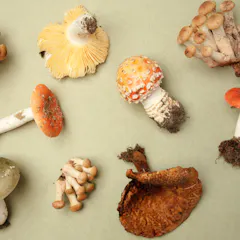
Poison can be a deadly defense that helps a mushroom make sure its spores are spread to new places to grow into baby mushrooms.
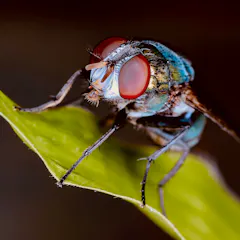
New findings suggest the loss of fertility at high temperatures is a major threat to the survival of some species.

Warnings of an end to human sperm production have been making headlines recently, now with the added threat of shrinking penises. Is this science or sensationalism?
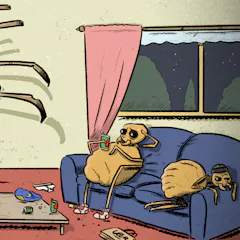
Yellow crazy ants are one of the world’s worst invasive species. And it turns out they have unique systems of reproduction that make life in the queendom more complicated than we realised.
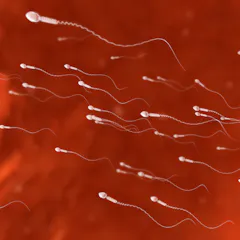
Our chemical environment appears responsible for an alarming plummet in sperm counts – in humans and in animals.
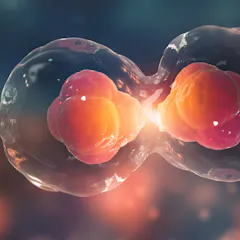
Perceptions about the role of sperm have changed over time, but asexual reproduction doesn’t need sperm for fertilization.
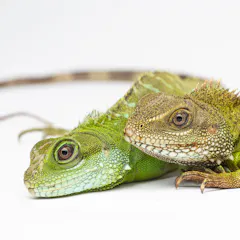
Parthenogenesis, a form of reproduction in which an egg develops into an embryo without being fertilized by sperm, might be more common than you realized.
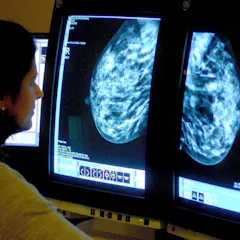
What is it about breast cancer that has made mastectomy and its effects so hard to discuss for over 400 years?
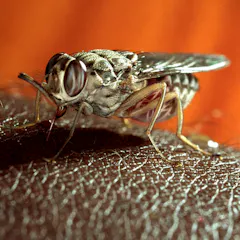
This insect’s unique reproductive biology could lead to new ways to control the species in the environment – and prevent the deadly sleeping sickness it spreads to people.
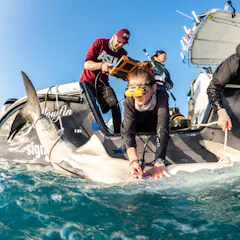
Researchers are using a newly developed satellite tag to study previously unknown aspects of tiger shark reproduction. This approach could be used on other difficult-to-study shark species.

The three-toed skink can give birth to live young and lay eggs in the same pregnancy. What can this little critter teach us about the evolution of live birth?
Top contributors
-

Senior Lecturer, Evolutionary Biology, University of Sydney
-
Principal Lecturer in Wildlife Conservation, Nottingham Trent University
-
Postdoctoral Research Associate, UNSW
-
Jenny Graves is a Friend of The Conversation.
Distinguished Professor of Genetics and Vice Chancellor's Fellow, La Trobe University
-
Lecturer in Molecular Biology and Reproduction, University of Kent
-
PhD student, University of Wyoming
-
Adjunct Senior Research Fellow, Global and Women's Health, School of Public Health & Preventive Medicine, Monash University
-
Mark Elgar is a Friend of The Conversation.
Emeritus Professor of Evolutionary and Behavioural Ecology, The University of Melbourne
-
Assistant Professor and Canada Research Chair in the Politics of Reproduction, University of Waterloo
-
Senior Lecturer in Genetics, Adelaide University
-
Associate Professor in Zoology, University of Tasmania
-
Doctoral Student in Biochemistry, University of Washington
-
Senior Lecturer, Zoology, University of Aberdeen
-
Senior Research Fellow, Monash University
-
Professor of Applied Mathematics, Adelaide University