
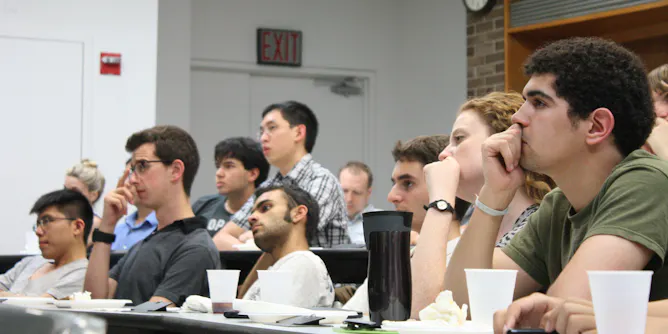
I sometimes forget that people can feel embarrassed listening to me talk about my research on sperm. But often those same people can also be a source of amazement and inspiration.
Articles on Reproduction
Displaying 101 - 120 of 146 articles

Recent research into the health effects of the plastic-making chemicals phthalates has reignited concerns about low sperm counts. But the evidence is far from conclusive.
Sperm banks and human cloning may not be the future. A study in beetles reveals that having two sexes boosts genetic quality.
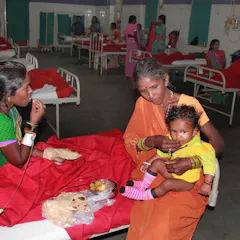
A sterilisation camp held in Chhattisgarh, an impoverished state in central India, has claimed the lives of 13 women, most of whom were young and marginalised. The women, who died within hours of the procedure…
Mice possess a notable talent: they are excellent at making more mice. Their ability to reproduce at a breakneck pace is one reason they are often used as experimental research subjects. Thus, when Dr…
Honeybee reproductive cycles begin when the colony grows to a certain size. Cornell University researchers found honeybee…
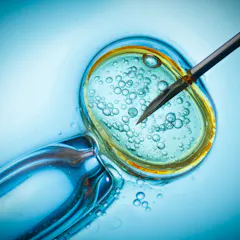
The UK parliament will soon consider making Britain the first country to allow three-person IVF. The regulations are yet to be approved, but the government is currently backing moves to allow the creation…
Light pollution disrupts the natural reproductive cycle of lemurs a new study has found. Male lemurs are sexually inactive…
Sperm grown from the frozen testicle tissue of newborn mice has been used to produce healthy offspring, according to a new…
Males produce faster sperm when mated to their sisters, according to a recent study of guppies. Researchers from the University…
Males will mate with anything. Well, that is the general view, one that exists because of a simple biological underpinning: females are reproductively limited by costly gestation, while males are…
An aroma given off by male goats activates reproductive brain regions in their female counterparts. The study is the first…
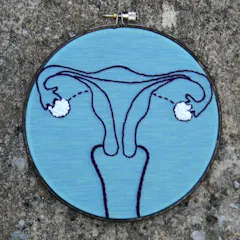
The female sex hormone oestrogen can be produced and released from the brain as well as the ovaries, according to a study. The research, recently published in the Journal of Neuroscience, shows that the…
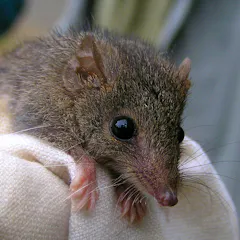
Imagine if you only had one shot at passing on your genes before you died. It happens more often in the natural world than you might expect: suicidal reproduction - where one or both sexes of a species…
Two species of Tahitian plant insects, known for their traumatic insemination mating system, may be responsible for today’s…
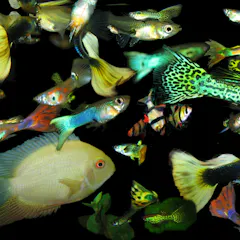
All organisms have been evolutionary programmed to spread their genes as far and wide as possible. One way to do that is to produce many offspring, and for that animals have developed some very strange…
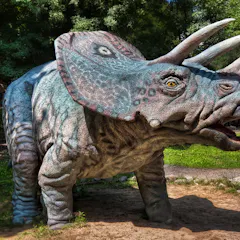
Dinosaurs were the largest animals to ever walk Earth, and they ruled the planet for more than 160 million years. The long-necked Argentinosaurus, with back vertebrae almost two metres high, possibly grew…
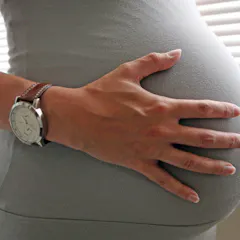
With the royal baby due soon, there is much speculation on whether the family will be welcoming a Prince or a Princess of Cambridge. But perhaps science can tell us the answer, as new research from Stanford…
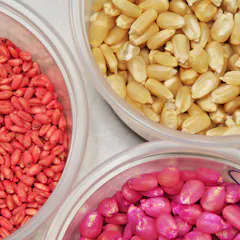
Sex without seed. Seed without sex. It’s been said that the greatest gift of science to humankind would be achieving those two goals. Effective contraceptives such as the pill have pretty much nailed the…
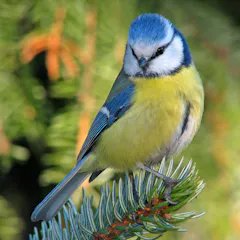
Rearing young is a costly business that often affects an individual’s own future survival or reproduction prospects. And so it makes sense for individuals to find ways to ensure the energy they spend on…
Top contributors
-

Senior Lecturer, Evolutionary Biology, University of Sydney
-
Principal Lecturer in Wildlife Conservation, Nottingham Trent University
-
Postdoctoral Research Associate, UNSW
-
Jenny Graves is a Friend of The Conversation.
Distinguished Professor of Genetics and Vice Chancellor's Fellow, La Trobe University
-
Lecturer in Molecular Biology and Reproduction, University of Kent
-
PhD student, University of Wyoming
-
Adjunct Senior Research Fellow, Global and Women's Health, School of Public Health & Preventive Medicine, Monash University
-
Mark Elgar is a Friend of The Conversation.
Emeritus Professor of Evolutionary and Behavioural Ecology, The University of Melbourne
-
Assistant Professor and Canada Research Chair in the Politics of Reproduction, University of Waterloo
-
Senior Lecturer in Genetics, Adelaide University
-
Associate Professor in Zoology, University of Tasmania
-
Doctoral Student in Biochemistry, University of Washington
-
Senior Lecturer, Zoology, University of Aberdeen
-
Senior Research Fellow, Monash University
-
Professor of Applied Mathematics, Adelaide University