
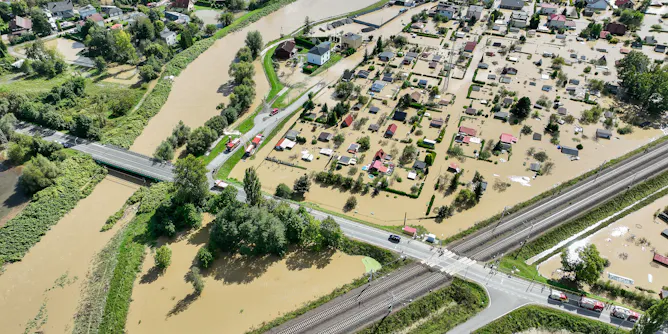
From California to France and the UK, traditional private markets are buckling under the weight of climate claims.
Articles on Reinsurance
Displaying all articles

Forecasters already patch together very rough estimates, and ending NOAA’s ‘billion-dollar disasters’ list means less access to insurance data. Texas’ state climatologists explain why that matters.
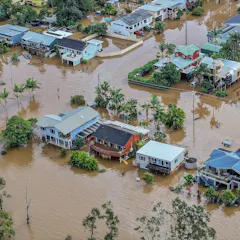
Right now, it’s not insurance companies we should worry about. It is the unfolding, real-time collapse of insurance for households, businesses and communities.
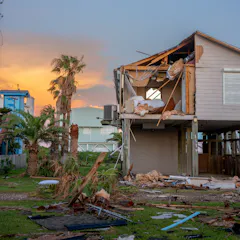
Insurance costs are rising quickly across much of the country. Hurricanes are part of the reason, but it’s the other perils common across the Midwest and Great Plains that complicate costs.
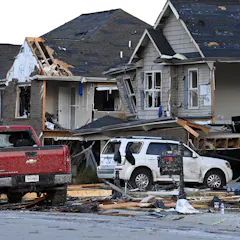
Insurers are raising rates quickly, and it’s not just in California and Florida. They’re often shrinking coverage at the same time.

Insurance companies will need to be innovative and explore new policy options as they manage the growing risk to homes from climate change and natural disasters.
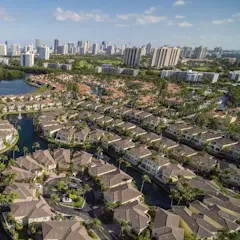
Florida home insurance premiums have shot up threefold in just five years.
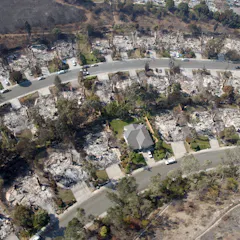
It’s not a question of if insurance will become unavailable or unaffordable in areas at high risk of wildfires, hurricanes and other damage – it’s a question of when. A disaster risk expert explains.
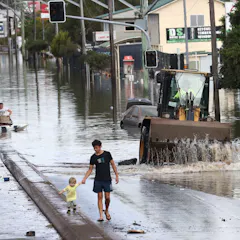
Natural disasters are driving up insurance costs. The Australian government’s plan to drive them down won’t help much.
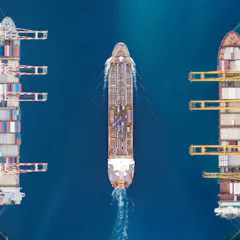
Covid has led to delays in consumers receiving everything from furniture to groceries. This is how we might reshape supply chains after the pandemic.
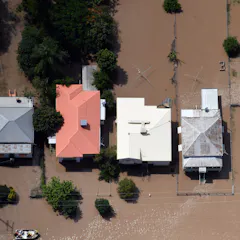
The Morrison government’s reinsurance pool is the exact policy the Australian Competition and Consumer Commission recommended against.
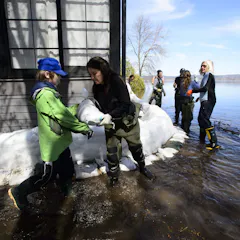
The unlikely failure of the catastrophe bond market won’t trigger a financial crisis like the one a decade ago.
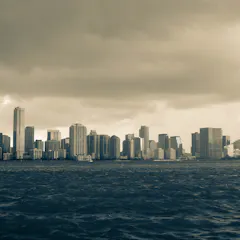
Climate change will increase the risk of owning properties in coastal cities like Miami – but the insurance industry is
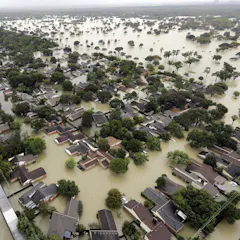
Insurance-linked securities aim to shield insurers and governments from huge costs following disasters. But they bear eerie similarities to the securities that caused the 2008 financial meltdown.
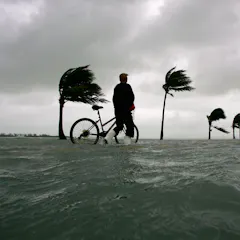
Even though Hurricane Matthew has been downgraded to category 3, it’s expected to cause substantial damage to Florida and other states in the region. The question is, who pays.
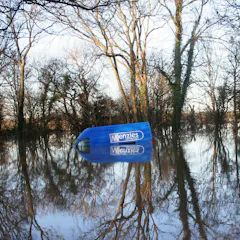
Insuring the most at-risk homes should become easier after April, but the latest deluge makes the new scheme look fragile.
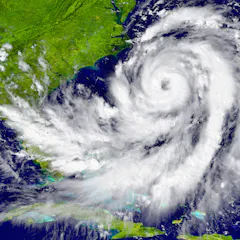
A look at the Florida insurance market following the flurry of severe hurricanes in 2004-2005 shows that pooling risk can cut losses.
The government’s long-awaited plans on how to help the insurance industry provide flood insurance to those homes and properties most at risk was presented. They are promising, but have fundamental shortcomings…
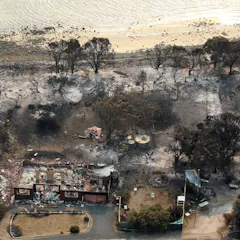
Hurricane Sandy may or may not be a direct result of climate change, but what is certain is that the incidence of extreme climate events is increasing. Such events are predicted by climate models, according…
Top contributors
-

Holcim (US) Professor of Sustainable Enterprise, Ross School of Business, School for Environment & Sustainability, University of Michigan
-
Senior Research Fellow, University of Southampton
-
Lecturer, Monash University
-
Hold Professor of Risk Management and Insurance, Florida State University
-
Professor of Law, University of Southampton
-
Associate Professor, Cornell University
-
Managing Director, Institute for Catastrophic Loss Reduction, Western University
-
Associate Professor of Law, Jacksonville University
-
Assistant Professor and Co-Director, Center for Emergency Management and Homeland Security, Watts College, Arizona State University
-
Lecturer in Law, Auckland University of Technology
-
Associate Professor of Human Geography, University of Tasmania
-
Research Assistant Professor in Atmospheric Sciences, Texas A&M University
-
Regents Professor of Atmospheric Sciences, Texas A&M University
-
Profesora Asociada en Finanzas Sostenibles, IE University
-
Assistant Professor of Finance, St. Joseph's University