

International law bars nations from causing environmental harms in other states. Should that include sending thousands of refugees over the border in search of food, water and shelter?
Articles on Refugee camps
Displaying 21 - 40 of 47 articles
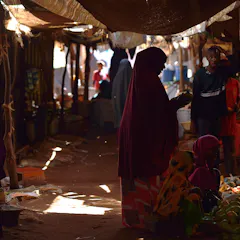
By securitising refugees, in this case accusing them of instigating terror, the Kenyan government is compromising their social, economic and political rights as set out in international law.
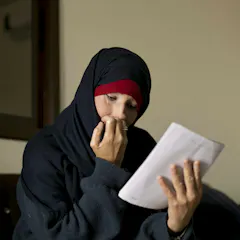
Canada needs a better framework to understand and analyze the participation of women who marry ISIS soldiers — and find ways to hold them accountable
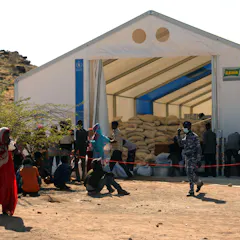
Time in the camps does not move forward and educated refugees are stuck, without the opportunity to create a path for a better future.
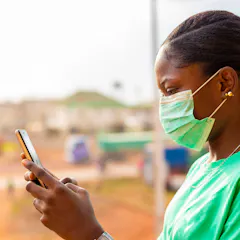
During the ongoing coronavirus pandemic, research in places like refugee camps can continue through mobile devices connected to the internet.
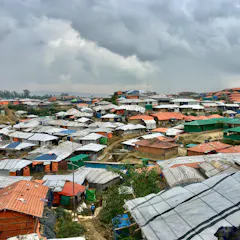
For these extremely vulnerable populations, the pandemic has added pressure to already strained living conditions and healing processes.
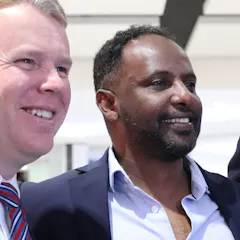
As the country’s first ever African MP, and only the second refugee to win a seat, Ibrahim Omer is ideally placed to tackle the big problems facing immigrant communities.
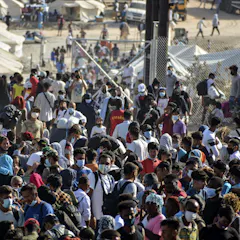
In the middle of a windswept refugee camp in the aftermath of the burning of Moria, the COVID-19 pandemic is an afterthought.
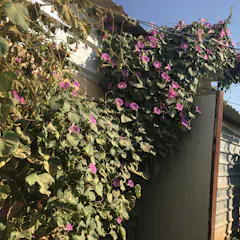
At Jordan’s Zaatari Refugee Camp, small bushes of tumbleweed grow everywhere, and seeds have been planted in hope of growing tiny Persian cucumbers.
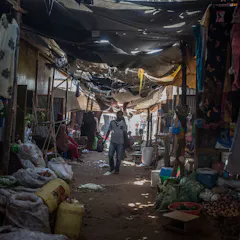
On paper, refugees on Kenyan soil have the full protection of local and international laws and regulations. But much more needs to be done on the ground to bring them in from the fringes of society.
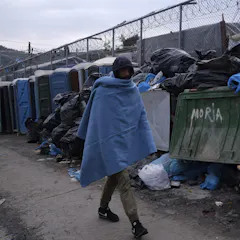
Based on how other diseases have moved through refugee camps, there is an urgent need to protect refugees in camps and informal settlements from COVID-19.
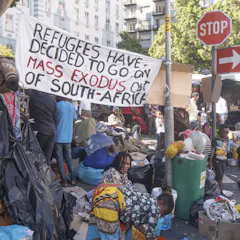
The policy and law applying to refugees and asylum seekers in South Africa is largely progressive. But, in practice, they continue to endure hardship and unfair treatment by officials.
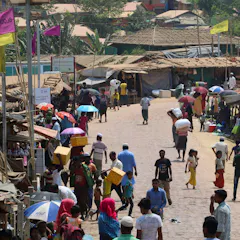
COVID-19 is spreading quickly in Bangladesh. An outbreak in the refugee camps that house some 1 million Rohingya Muslims in cramped, unsanitary quarters would be calamitous.
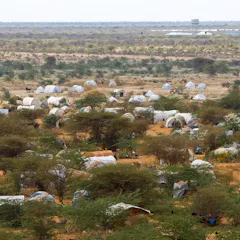
Many African countries host large numbers of asylum seekers. But should they be held in camps, or be allowed to integrate into cities?
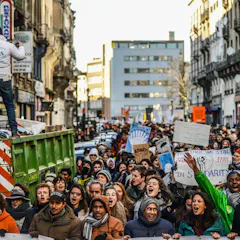
The 2015 reception crisis had a profound impact on civil society in Europe. A significant set of attitudes and practices emerged that give a sense of what political participation means today.
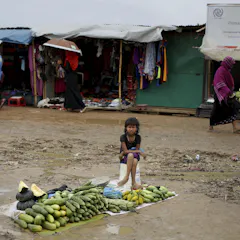
An estimated 500,000 Rohingya children, refugees from Myanmar, are growing up in Bangladesh in overcrowded camps with no access to formal education.
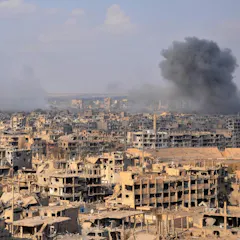
Wars play a central role in increasing numbers of refugees worldwide. Is it time to think about a “destruction tax”?
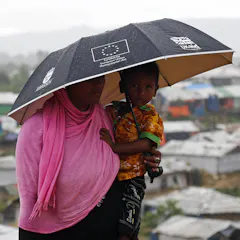
Rohingya refugees in Bangladesh have been stuck in makeshift camps for years. They are now being targeted by criminal gangs, alongside public health and well-being issues.

Fort Sill, a military base in Oklahoma, will soon house 1,400 Central American children, the Trump administration says. It’s not the first time the US has used army bases to house refugees.
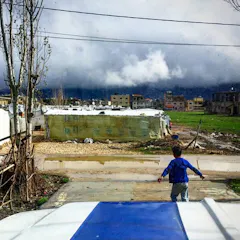
In this difficult context, through different mechanisms, the artists engage with the consequences of war to restore social cohesion, stimulate imagination and revive hope.
Top contributors
-

Lecturer and Senior Research Fellow at the South African Research Chair in International Law (SARCIL), University of Johannesburg
-
Associate Director, Refugee Law Lab, York University, Canada
-
Assistant Professor, Michigan State University
-
Senior researcher, Arnold Bergstraesser Institute
-
Research Fellow, Development Policy Centre, Crawford School of Public Policy, Australian National University
-
Honorary Research Associate at Institute for Democracy Citizenship and Public Policy in Africa, University of Cape Town
-
Cultural and Political Sociologist, Université de Liège
-
Professor of Intersectional Justice, UCL
-
Associate Professor, Khalifa University
-
Director of Outreach and Development, Human Rights Practice Graduate Programs, University of Arizona
-
PhD researcher art, activism and migration, Université de Lausanne
-
Doctoral Candidate; Faculty Instructor, Harvard University
-
Visiting Research Fellow, Gender and Cultural Studies, University of Sydney
-
Professor of Social Policy, University of South Wales
-
Assistant Professor of Operations and Business Analytics, The Ohio State University