
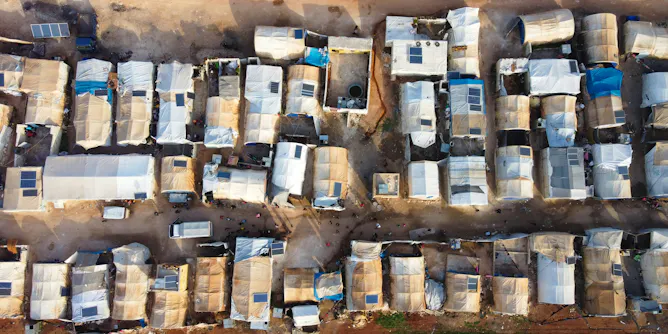
International law doesn’t require refugee camps, making them a policy choice rather than a legal obligation.
Articles on Refugee camps
Displaying 1 - 20 of 47 articles
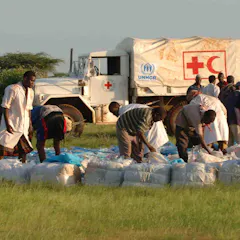
Kenya’s new refugee policy seeks to shift away from a camp-based system to one centred on inclusion into the local economy.
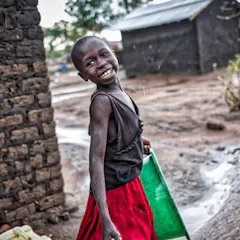
But researchers say the system generates questionable climate benefits, while locking refugees into low-wage labour – new study.

With targeted support, refugees are more likely to gain employment, increase their savings and find safety if not housed in camps, study finds.
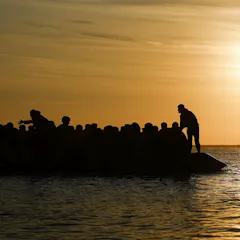
In order to intensify the crossings, ‘microcamps’ have emerged: smaller temporary settlements closer to the beach.

Aid in contexts like Kakuma should not be treated as optional or discretionary, but as a structural necessity.

Media coverage often focuses on those fleeing their country as refugees, while internally displaced people remain less visible and beholden to national governments.
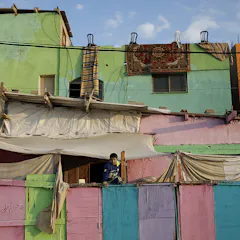
When people find themselves displaced from their homes, finding or creating beauty can be just as vital as food, water and shelter − and serves as a form of resistance and resilience.

Refugee settlements are particularly affected by high temperatures and extreme rainfall, even more so than the rest of their host countries.

Tanzania’s refugee policy in the 1990s is a good example of how geopolitics affects ordinary refugees.
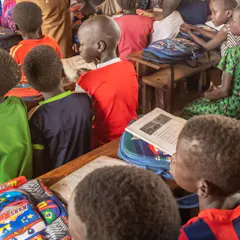
Ethiopia’s unmet refugee education reforms highlight the ways in which bureaucratic structures and interests can shape policy.
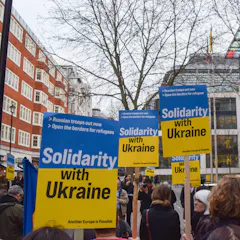
Homes for Ukraine has been in operation for six months. Refugees in the UK and the people hosting them, however, will likely need support for years to come.
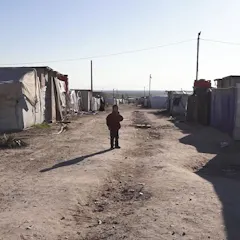
Though young, the trauma experienced by children in Syrian detention camps could have lifelong effects. A coordinated approach is needed to support them into new lives here.
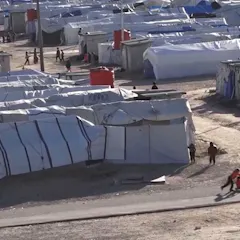
It has taken Australia far too long to return its citizens from hellish refugee camps in Syria – and treating people well will create far less risk to the country than leaving them there.
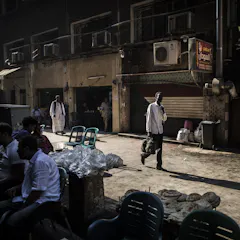
It’s not just Ukrainians. In 2021, nearly 90 million people were forced to flee their homes.
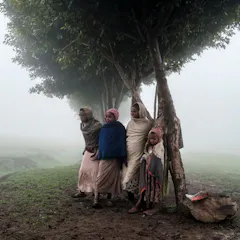
Eritrean refugees in Ethiopia are caught in a conflict in a country that was supposed to provide them refuge.

Cash assistance programs can be designed with incentives that encourage local retailers to keep their prices steady.
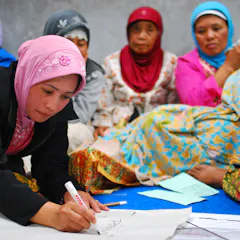
Researchers asked aid workers how to best prepare for the climate emergency in places where its effects are most severe.
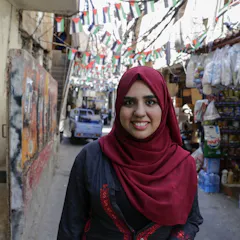
Paulo Freire’s concept of “conscientization”, or critical consciousness, helps us better understand the lives of young Palestinians, particularly those living in Lebanese refugee camps.
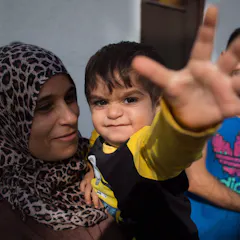
Favourable public opinion helps create political will to increase resettlement and alleviate the global refugee crisis. A new tool could help build supportive social networks for refugees.
Top contributors
-

Lecturer and Senior Research Fellow at the South African Research Chair in International Law (SARCIL), University of Johannesburg
-
Associate Director, Refugee Law Lab, York University, Canada
-
Assistant Professor, Michigan State University
-
Senior researcher, Arnold Bergstraesser Institute
-
Research Fellow, Development Policy Centre, Crawford School of Public Policy, Australian National University
-
Honorary Research Associate at Institute for Democracy Citizenship and Public Policy in Africa, University of Cape Town
-
Cultural and Political Sociologist, Université de Liège
-
Professor of Intersectional Justice, UCL
-
Associate Professor, Khalifa University
-
Director of Outreach and Development, Human Rights Practice Graduate Programs, University of Arizona
-
PhD researcher art, activism and migration, Université de Lausanne
-
Doctoral Candidate; Faculty Instructor, Harvard University
-
Visiting Research Fellow, Gender and Cultural Studies, University of Sydney
-
Professor of Social Policy, University of South Wales
-
Assistant Professor of Operations and Business Analytics, The Ohio State University