

Most plant life survived the nuclear disaster at Chernobyl - and they have a lack of legs to thank for it.
Articles on Radiation damage
Displaying all articles
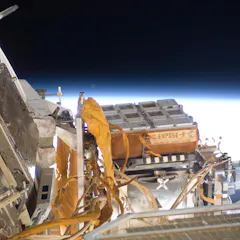
If you want to live on Mars, you’re going to need to grow food. Seeds are naturally equipped to handle challenging Earth environments, but how well can they survive what they’ll encounter off-planet?

The meltdown at the Chernobyl Nuclear Power Plant in 1986 exposed 572 million people to radiation. No other nuclear accident holds a candle to that level of public health impact.

How do we measure long-term impacts of nuclear accidents? Studies at Chernobyl and Fukushima show that radiation has harmed animals, birds and insects and reduced biodiversity at both sites.

Polonium’s chemical properties made it the ideal secret weapon for the assassins of Alexander Litvinenko.
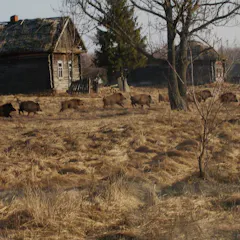
Elk, deer and wolves are becoming increasingly common in Chernobyl.

Any nuclear weapon exchange or major nuclear plant meltdown will immediately lead to a global public health emergency. What can we learn from past events to help prepare?
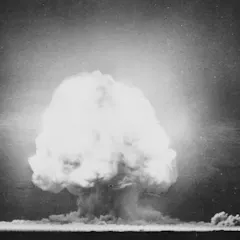
The first atom bomb test seventy years ago today marks the start of a change in Americans’ thinking about radiation. On balance, our nuclear anxieties endure today.

Radiation in space could lead to cognitive decline.
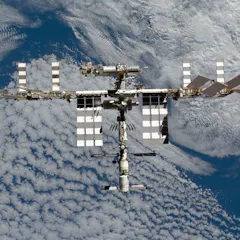
Space may seem calm, but it is a more hostile environment than that on Earth. Invisible radiation is a big problem for space enthusiasts and scientific instruments. Substituting electronic devices to do…
Top contributors
-

University Professor Department of Health Policy & Management, University of Georgia
-
Senior Lecturer in Chemistry, University of Birmingham
-
Assistant Professor of History, Mississippi State University
-
Professor of Biological Sciences, University of South Carolina
-
Radioecologist (NERC-CEH), UK Centre for Ecology & Hydrology
-
Cognitive Neuroscientist and Associate Professor, University of Stirling
-
University of Arkansas
-
Timothy J. Jorgensen is a Friend of The Conversation.
Director of the Health Physics and Radiation Protection Graduate Program and Professor of Radiation Medicine, Georgetown University
-
Research Fellow in Electronic Imaging, The Open University
-
Reader in Applied Ecology, University of Salford
-
Reader in Psychology, University of Stirling
-
Emeritus Fellow in Plant Biochemistry, University of Westminster