
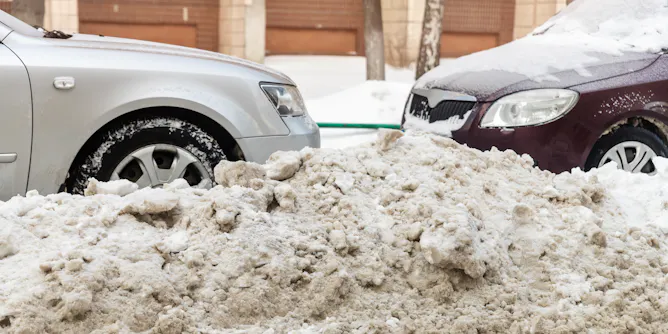
From persistent chemicals to exhaust particulate matter, snow accumulates highly toxic pollutants. Regulations are needed to address the impacts on water supplies and the food chain.
Articles on Quebec
Displaying 81 - 100 of 192 articles
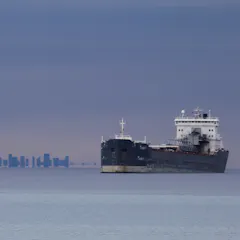
Ballast water release from ocean vessels has been a major source of invasive species in the Great Lakes for over 60 years.
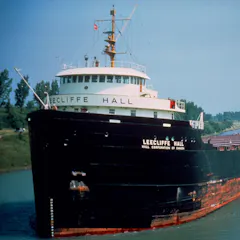
The St. Lawrence is one of the most difficult rivers in the world to navigate. It has been the site of collisions, groundings and shipwrecks. Several thousand wrecks lie beneath its surface.

Evacuations can save lives, as in the case of post-tropical cyclone Fiona. As more frequent extreme weather events are set to occur, it is important to have evacuation plans in place.

A survey on stereotypes and discrimination in the business world reveals major disparities between men and women.
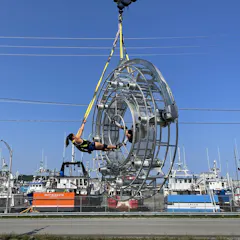
This article crosses from the river to the stage, to explore the St. Lawrence at the meeting point of marine and freshwater sciences, the fishing, maritime and port industries, and the circus arts.

Where do the Conservative Party of Québec and its leader, Éric Duhaime, a newcomer on the political scene, fit in?
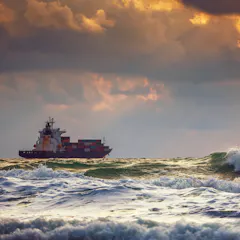
The maritime and port industries are integrating climate change into their business models and introducing different adaptive measures.

Academic freedom is increasingly caught up in partisan debates around freedom of speech. But the idea behind it is not only vital but shared across many other professions.
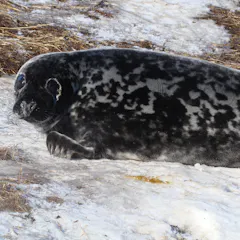
Choose the meat, liver and heart of young grey seals (less than six weeks old) and apply standard sanitary measures when handling seals and their products.

Signs in languages other than French could be seen as an outstretched hand in yet another episode of linguistic tensions, but also as an indicator that French is indeed losing ground.

The Québec government thought it would Charter-proof its religious symbol law when it invoked the nothwithstanding clause. It was wrong.
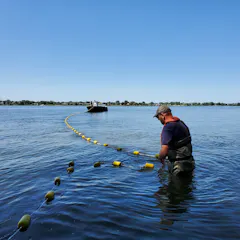
UV absorbents and industrial antioxidants are used in many household goods to protect them from UV radiation. They can have an adverse impact on ecosystems.
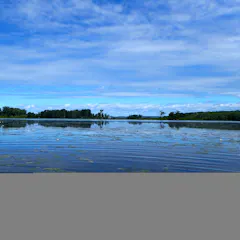
Wetlands can help limit the spread of the voracious round goby, an invasive species that has infiltrated the Great Lakes and has become widespread in the St. Lawrence River.
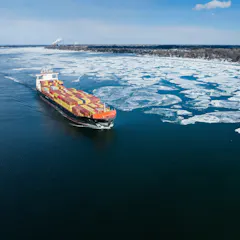
Approximately 8,000 merchant vessels travel the St. Lawrence each year. Its ports have become the catalysts that link trade, development and industrial innovation.
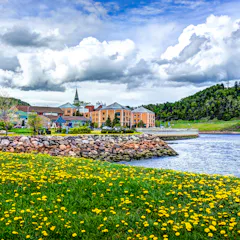
The sustainable and inclusive development of the St. Lawrence River is essential. A prolonged laissez-faire attitude will have harmful consequences on people and the environment.
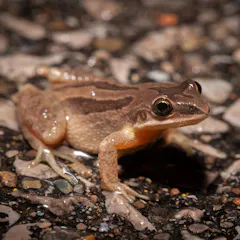
Habitat protection and restoration, advanced reproductive technologies and reintroduction procedures could help slow the decline of western chorus frogs and other amphibians.
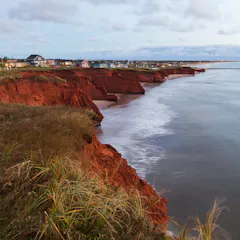
Coastal erosion along the St. Lawrence River has economic, social and cultural impacts.

Flame retardants are added to consumer products — and end up in the environment and harming aquatic wildlife.
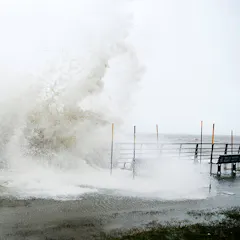
Popular belief suggests the highest tides in the St. Lawrence River are reached around the equinoxes. In truth, they arrive close to the solstices.
Top contributors
-

Professor of Sociology, Wilfrid Laurier University
-
Full Professor, Research Chair in Language Rights, Faculty of Law | Professeur titulaire, Chaire de recherche Droits et enjeux linguistiques, Faculté de droit, L’Université d’Ottawa/University of Ottawa
-
Vice-Dean and Full Professor, Common Law Section, L’Université d’Ottawa/University of Ottawa
-
Professeure de chimie marine à l'Institut des sciences de la mer de Rimouski (ISMER-UQAR), Université du Québec à Rimouski (UQAR)
-
Professeur en sociologie politique, Université du Québec à Montréal (UQAM)
-
Professor, Public and International Affairs, L’Université d’Ottawa/University of Ottawa
-
Professor, Concordia University
-
Professor of Communication Studies; Research Chair on Intersectionality, Violence and Resistance, Concordia University
-
Assistant Professor, School of Journalism and Communication, Carleton University
-
Senior Fellow, Centre for Free Expression, Toronto Metropolitan University; York University, Canada
-
Associate Law Professor, University of New Brunswick
-
Agente de transfert de connaissances pour le Centre de recherche sur la boréalie (CREB), Université du Québec à Chicoutimi (UQAC)
-
Ph.D. Candidate in Philosophy, Political Studies, and Sociology, Université du Québec à Montréal (UQAM)
-
Professeure agrégée, Département de médecine familiale et de médecine d'urgence, Chercheuse à VITAM, centre de recherche en santé durable, Université Laval
-
SSHRC Postdoctoral Fellow in Sociology, L’Université d’Ottawa/University of Ottawa