
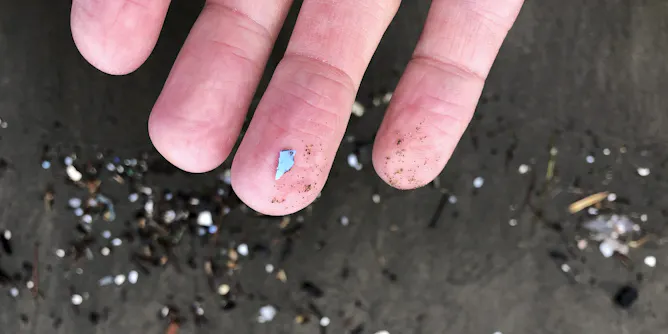
New research shows an abundance of microplastics in the St. Lawrence River and its estuary, where 45 million people live and is home home to several million animals, invertebrates and plants.
Articles on St. Lawrence River
Displaying 1 - 20 of 27 articles
Atlantic halibut are making a strong comeback in the Gulf of St. Lawrence. But how do we know where the fish move throughout their lives?
The waters of the St. Lawrence are running out of breath and bottom-dwelling organisms are already feeling the effects. Here’s how ecosystems are reacting.
Blood isn’t sterile, and analyzing the bacteria in it could help assess the health of fish and prevent the collapse of their populations.
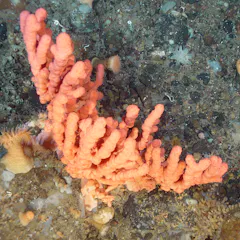
In the vast St. Lawrence River, an impressive variety of animals live on the seabed. This group of organisms is called benthos or benthic invertebrates.
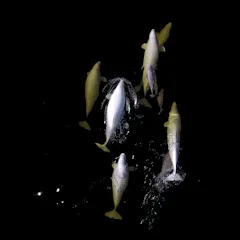
Drones are a new technology that help researchers observe and record whale behaviours from a distance. But if the drones are flown too low, they change the whales’ behaviour.
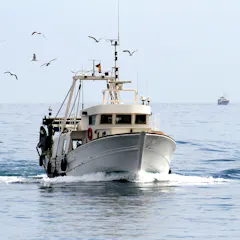
The warming observed in the Gulf of St. Lawrence is causing upheaval in the balance of the species living there. That is having direct repercussions on the commercial fishing sector.
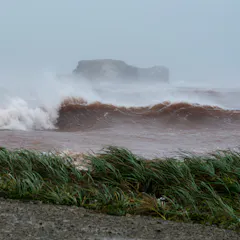
Storm Fiona caused a lot of property damage and erosion on the Canadian coast. But its effects are also felt in the depths of the Gulf of St. Lawrence.
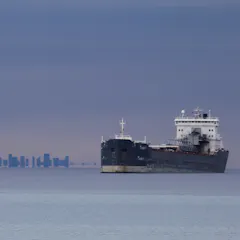
Ballast water release from ocean vessels has been a major source of invasive species in the Great Lakes for over 60 years.
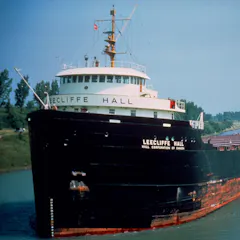
The St. Lawrence is one of the most difficult rivers in the world to navigate. It has been the site of collisions, groundings and shipwrecks. Several thousand wrecks lie beneath its surface.
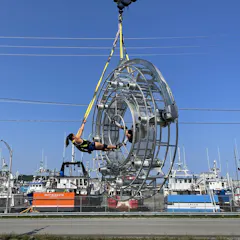
This article crosses from the river to the stage, to explore the St. Lawrence at the meeting point of marine and freshwater sciences, the fishing, maritime and port industries, and the circus arts.
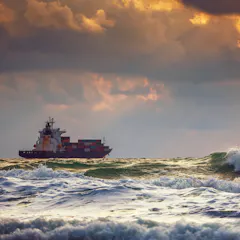
The maritime and port industries are integrating climate change into their business models and introducing different adaptive measures.
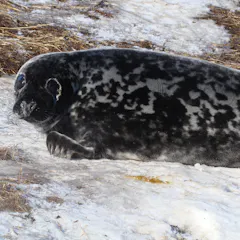
Choose the meat, liver and heart of young grey seals (less than six weeks old) and apply standard sanitary measures when handling seals and their products.
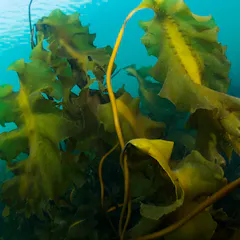
The abundance, versatility and quality of seaweed from the St. Lawrence makes this resource a real asset for Québec. We must now integrate it into our kitchens.
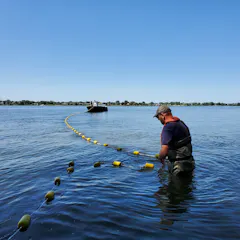
UV absorbents and industrial antioxidants are used in many household goods to protect them from UV radiation. They can have an adverse impact on ecosystems.
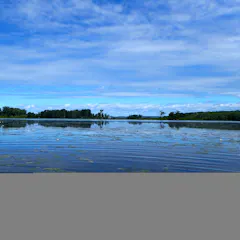
Wetlands can help limit the spread of the voracious round goby, an invasive species that has infiltrated the Great Lakes and has become widespread in the St. Lawrence River.
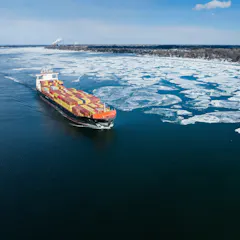
Approximately 8,000 merchant vessels travel the St. Lawrence each year. Its ports have become the catalysts that link trade, development and industrial innovation.
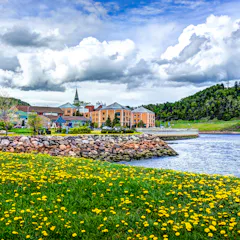
The sustainable and inclusive development of the St. Lawrence River is essential. A prolonged laissez-faire attitude will have harmful consequences on people and the environment.
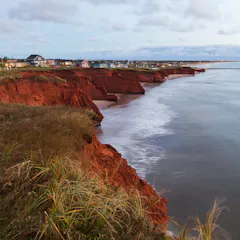
Coastal erosion along the St. Lawrence River has economic, social and cultural impacts.
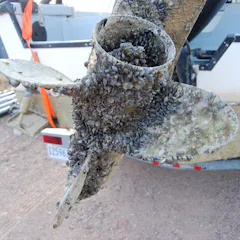
Zebra and quagga mussels entered the Great Lakes in large ships’ ballast water. Now, local boaters and anglers are spreading them into the southern and western US.
Top contributors
-

Associate Professor of Environment and Sustainability, Western Michigan University
-
Professeure de chimie marine à l'Institut des sciences de la mer de Rimouski (ISMER-UQAR), Université du Québec à Rimouski (UQAR)
-
Professeur émérite de géographie, Université de Montréal
-
Professeur-chercheur en océanographie physique, Université du Québec à Rimouski (UQAR)
-
Professeur titulaire, Centre de recherche en toxicologie de l’environnement (TOXEN), Université du Québec à Montréal (UQAM)
-
Professor/Professeure titulaire, Eau Terre Environnement Research Centre, Institut national de la recherche scientifique (INRS)
-
Professeur Émérite en géochimie et océanographie, McGill University
-
Professor, Université du Québec à Rimouski (UQAR)
-
Professeur en océanographie physique, Université du Québec à Rimouski (UQAR)
-
Research associate, Université du Québec à Rimouski (UQAR)
-
Doctorant en sciences géographiques, Université Laval
-
Professionnelle de recherche en écologie benthique, Université Laval
-
Associate professor, Institut national de la recherche scientifique (INRS)
-
Professionnelle de recherche, biologie marine & écologie benthique, Université Laval
-
Professeure agrégée, Sciences biologiques, Université du Québec à Montréal (UQAM)