

Omega-3 fatty acids, abundant in oily fish like sardines and mackerel, offer considerable promise in cancer prevention. Other classes of marine lipids hold potential for therapeutic innovation.
Articles on Prostate cancer
Displaying 21 - 40 of 98 articles

African men have a high risk of prostate cancer. Research has found genetic regions associated with this disease.

Men who had radiotherapy to treat their prostate cancer were three times more likely to develop bladder cancer compared with untreated men.

A more advanced form of radiation may be able to treat early and advanced prostate cancers. Here’s how it works and why it may better preserve erectile function.

Prostate cancer in younger men tends to be more aggressive, that’s why it’s vital to know the signs and symptoms.
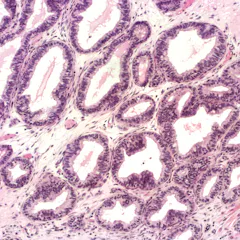
Nine years ago, Tim Baker was diagnosed with stage 4, metastatic prostate cancer. Today, astonishingly, he is fit and healthy, and meeting the scientists researching new treatments for this disease.

A new study looked at data from men for five years before a prostate cancer diagnosis, and five years afterwards, to understand how facing prostate cancer affected their mental health.

The link between ejaculation and prostate cancer explained.
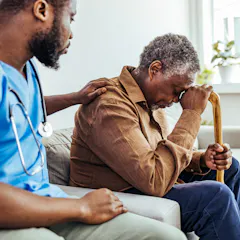
People with low-risk prostate cancer are more likely to die from something else. Overdiagnosis and overtreatment can lead to life-changing complications.

Prostate cancer is one of the most common cancers in men. Although watchful waiting is appropriate for low-risk cases, many are diagnosed at an advanced stage because of racial health disparities.
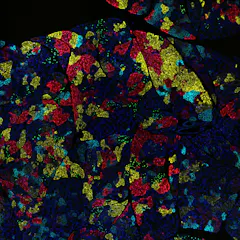
There is no one-size-fits-all approach to treating cancer. Understanding how cancer cells evolve could help researchers develop more effective drugs.

A panel of experts has deemed the digital rectal examination to be inferior to MRI in monitoring prostate cancer in men.

There have only been around 200 reported cases of foreign accent syndrome since it was first reported in 1907.

The miracles of modern medicine can be life-saving. Yet as Tim Baker writes, cancer patients yearn for a little empathy from their doctors, as well as scripts.

Due to increasing concerns over the health hazards posed by BPA, the Food and Drug Administration plans to reevaluate the safety of the controversial chemical for use in everyday products.
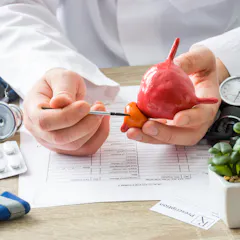
New research shows five bacteria are associated with an increased risk of aggressive prostate cancer.

Eating less meat was also linked with a lower risk of colorectal, breast, and prostate cancer.

More 9/11 responders died from physical and mental health issues after the terrorist attacks than on the day itself. And survivors are still suffering 20 years later.

Cancer mortality has dropped in the US, due largely to lower smoking rates, as well as early detection and better treatments. These advances often do not extend to people in developing nations.

New research estimates 24% of cancers in men that were detected in 2012 were overdiagnosed, meaning they never would have caused harm if left untreated.
Top contributors
-

Professor of Biomedical Sciences, Anglia Ruskin University
-
Head of Urology at Monash Medical Centre and Associate Professor of Surgery, Monash University
-
Professor of Medicine, Bond University
-
Adjunct Clinical Associate Professor, AMREP Department of Medicine, Alfred Hospital, Melbourne & Senior Medical Oncologist and Palliative Care Physician, Melbourne Oncology Group, Cabrini Haematology and Oncology Centre, Wattletree Road, Malvern, Monash University
-
Emeritus Professor in Public Health, University of Sydney
-
Professor of Clinical Epidemiology, Sydney School of Public Health, University of Sydney
-
Senior Research Officer, Blood Cells and Blood Cancer, WEHI (Walter and Eliza Hall Institute of Medical Research)
-
NHMRC Emerging Leader Research Fellow, School of Public Health, University of Sydney
-
Senior Lecturer in Biochemistry, Sheffield Hallam University
-
Research Fellow, Prostate Cancer Research Group, Monash University
-
Senior Research Manager, University of Sydney and Honorary Assistant Professor, Bond University
-
Senior Research Officer, Blood Cells and Blood Cancer Division, WEHI (Walter and Eliza Hall Institute of Medical Research)
-
Senior Associate Vice President Community Health, Education and Training, Old Dominion University; Associate Professor of Pharmacy, University of Florida
-
Professor of Clinical Epidemiology, Bond University
-
Senior Lecturer in Chemical Pathology, University of Westminster