

Men with faults in their BRCA2 gene are at higher risk of aggressive prostate cancer.
Articles on Prostate cancer
Displaying 41 - 60 of 98 articles

A recent study reported a high consumption of dairy products was associated with an increased risk of prostate cancer. But breaking down the results shows there’s no reason for men to give up dairy.

Private proton centres are targeting patients who might not see the most benefit from expensive treatments.

A step-by- step coordinated physiotherapy plan is key for patients with disorders related to the pelvic floor.

The threshold for diagnosing common conditions such as high blood pressure, chronic kidney disease and gestational diabetes have all lowered in recent years. But for whose benefit?

Prostate cancer outcomes have differed between black men and other ethnic groups for decades. Could improving the way doctors talk and share information with black patients make a difference?
Labelling very low-risk conditions as cancers can cause unnecessary anxiety and lead to overtreatment.
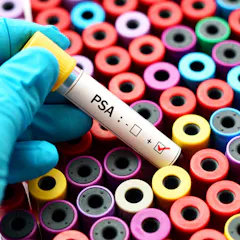
Prostate cancer is the second deadliest cancer among men, but not all types of the disease are as deadly as others. That has led to confusion over screening. An expert explains why new guidelines make sense.

Historically the advice to cancer patients was to rest and avoid activity. We now know this advice may be harmful to patients, and that every person with cancer would benefit from exercise medicine.

Cancer doesn’t just grow uncontrollably. It has a smarter strategy than that.

Since the 1980s, PSA tests have been used for the diagnosis and follow-up of prostate cancer. However, its use as a screening test for prostate cancer remains controversial.
There are currently few effective and non-invasive methods to screen for early stages of cancer. But scientists have now developed a new blood test that promises to detect eight different cancers.

A family physician and public health researcher explains why he isn’t getting a prostate cancer test in Movember or at any time in the near future.

Basic anatomical knowledge can save lives.

Men diagnosed with prostate cancer should be given all their options for treatment before they make a decision. In Australia today, this isn’t the rule, but the exception.

Australian health-care organisations are urging action on treatments of people who don’t need them.

Two major studies cast doubt on the value of screening for prostate cancer, yet it continues regardless.

Many men live with prostate cancer rather than die from it. Here’s the evidence for why they shouldn’t jump to surgery.
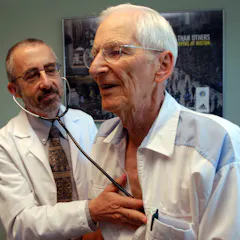
Cancer care is often impersonal, industrial and needlessly stressful. Allowing patients to witness personal introductions between their physicians would help ease their anxiety and build trust.

Genetic testing is revealing important information about disease risks, and consumers can now pay for a test to know their risk. They might be better off if their doctors considered these risks, too.
Top contributors
-

Professor of Biomedical Sciences, Anglia Ruskin University
-
Head of Urology at Monash Medical Centre and Associate Professor of Surgery, Monash University
-
Professor of Medicine, Bond University
-
Adjunct Clinical Associate Professor, AMREP Department of Medicine, Alfred Hospital, Melbourne & Senior Medical Oncologist and Palliative Care Physician, Melbourne Oncology Group, Cabrini Haematology and Oncology Centre, Wattletree Road, Malvern, Monash University
-
Emeritus Professor in Public Health, University of Sydney
-
Professor of Clinical Epidemiology, Sydney School of Public Health, University of Sydney
-
Senior Research Officer, Blood Cells and Blood Cancer, WEHI (Walter and Eliza Hall Institute of Medical Research)
-
NHMRC Emerging Leader Research Fellow, School of Public Health, University of Sydney
-
Senior Lecturer in Biochemistry, Sheffield Hallam University
-
Research Fellow, Prostate Cancer Research Group, Monash University
-
Senior Research Manager, University of Sydney and Honorary Assistant Professor, Bond University
-
Senior Research Officer, Blood Cells and Blood Cancer Division, WEHI (Walter and Eliza Hall Institute of Medical Research)
-
Senior Associate Vice President Community Health, Education and Training, Old Dominion University; Associate Professor of Pharmacy, University of Florida
-
Professor of Clinical Epidemiology, Bond University
-
Senior Lecturer in Chemical Pathology, University of Westminster