

A British literature scholar explains how philosopher John Locke’s theory of selfhood will not help the pandemic recovery, if individuals fail to see themselves as interconnected.
Articles on Property rights
Displaying 21 - 40 of 46 articles

Pipeline companies have run roughshod over several regions where they’re building, racking up safety and environmental violations. Many residents feel trapped, with no control over their property.
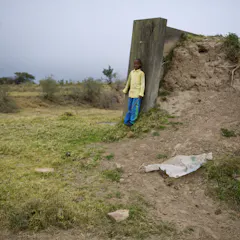
The proposed new law has a long history. The country has been trying for almost 12 years now to come up with expropriation legislation that is in line with the constitution.

South African neighbour law also requires property owners to tolerate a degree of nuisance from their neighbours.

In Lagos, many people pay property tax not because they receive public services but to feel more secure and create a record of their presence.
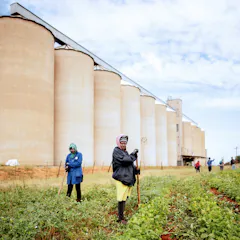
The proposed amendment to the constitution represents a critical juncture in South African constitutional politics.

Investors in the private companies that Labour plans to nationalise are likely to seek compensation for their losses.

Liberal democracy is in trouble, and the seeds of its demise can be found in the property rights so cherished by so-called liberals generations ago.

Shortcomings of Namibia’s land reforms suggest that voluntary, market-based transactions might not be suitable.
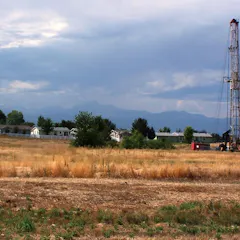
Landowners told researchers that they lacked the knowledge, time and money to advocate for themselves, their financial interests and their property in negotiations over drilling leases.
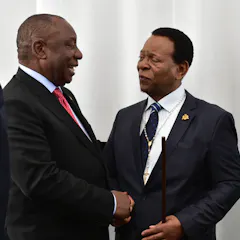
South Africa’s ruling party, the ANC , is mishandling the process leading towards land expropriation without compensation.
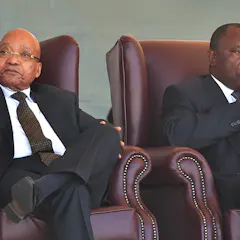
South Africans can’t afford to let the land debate be reduced to a shouting match.
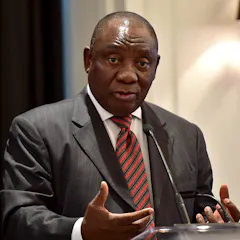
Clarifying when and how the South African constitution allows for expropriation of land without compensation will strengthen property rights.
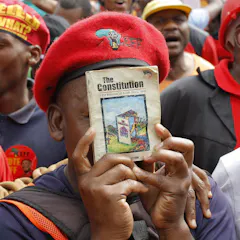
South Africa’s constitution has been amended 17 times already. But, the procedure for doing so is onerous.

As attempts to water down the Endangered Species Act have accelerated, public support for the act has stayed high. Then why do politicians keep trying to weaken the act?

Without secure records of property ownership, many poor people around the world have trouble improving their economic situations. Several countries are already trying blockchain-based land registries.
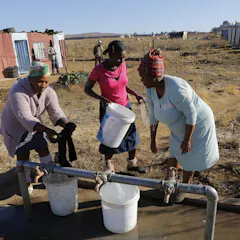
The latest World Bank report on South Africa addresses solutions to the country’s economic challenges.
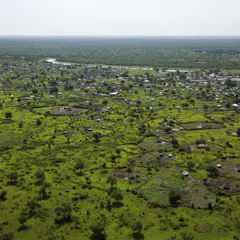
Creating a reliable, up to date land register is important for African countries. Drones can help collect and record the necessary data.

Politicians on the left and right object to this practice, which the Trump administration is championing.

To create property systems that are as dynamic as the landscapes we occupy, we might need to start thinking about ourselves as belonging to and answerable to the land, not the other way around.
Top contributors
-

Professor of Law, University of California, Davis
-
Professorial Research Fellow, Institute for Culture and Society, Western Sydney University
-
Associate Professor in Environmental and Natural Resources Policy, The Ohio State University
-
Professor of Political Studies, University of Johannesburg
-
Professor of Sociology, University of the Witwatersrand
-
Associate Professor of Sociology, Colorado State University
-
Professor, Michigan Technological University
-
Lecturer , Technical University of Kenya
-
Honorary Associate Professor, Australian National University
-
Professor of Law, Deakin University
-
Claude Leon Foundation Chair in Constitutional Governance, University of Cape Town
-
Professor of Sociology, Adam Mickiewicz University
-
Casual academic, La Trobe University
-
Researcher at the Centre for African Studies, University of Basel
-
Professor of Management, University of North Carolina – Greensboro