

The Food Compass system scores foods based on variables like the amounts of refined grains and sugars, processing and healthful ingredients. People who ate better-scoring foods had better overall health.
Articles on Processed food
Displaying 21 - 40 of 49 articles

Diets high in fat, sugar and processed foods are associated with higher calorie intake, poorer memory and lower cognitive function.
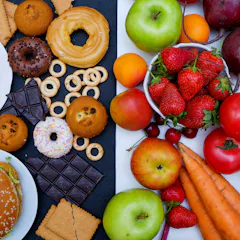
Ultra-processed foods that contributed the most dietary energy for Aussies included ready-made meals, fast food, pastries, buns, cakes, breakfast cereals, fruit drinks, iced tea and confectionery.

Sugar gets a bad rap, but exactly which sugar is meant? Nutrient-dense sweet ripe fruits are a far cry from refined table sugar – and their differences can have big health implications.

Kids often crave processed sugary foods. But research shows that consuming too many treats during childhood and adolescence may lead to behavioral and emotional problems.

Ultra-processed foods meet the same criteria for addictiveness that tobacco products do – and they’ve even been marketed in similar ways.

It’s not clear how health claims could be substantiated, enforced or understood, but there are other ways to encourage healthy food choices.
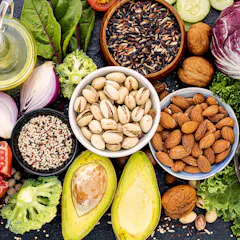
A new study puts numbers to the health and environmental benefits – or impacts – of individual foods and shows how small changes can make a significant difference.
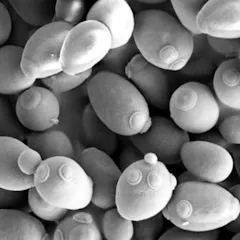
Fungi are a small but important part of the gut microbiome. A new study in mice shows that how much weight mice gain on a processed food diet depends on this fungal microbiome.
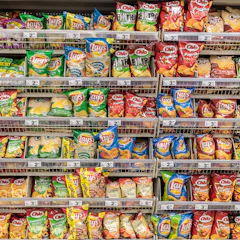
We looked at 37 studies which show eating ultra-processed foods is bad for our health. So why are we eating more of them than ever before?

Free school meals have been an issue since 1906.

A food historian explains how the popular boxed dinner played an important role in kitchen science, wars and women’s liberation.

Crisco’s main ingredient, cottonseed oil, had a bad rap. So marketers decided to focus on the ‘purity’ of factory food processing – a successful strategy that other brands would mimic.

Industry lobbyists call it the ‘Great Food Transition’ and say it’s about saving the planet. But is this the whole story?

All food is processed – and that’s a good thing.

When a manufacturer lists a serving size on their food label, it’s based on their expectations of what you’ll eat, not what the dietary guidelines recommend.

To understand how healthy a food is, we often look at fats and proteins, vitamins and minerals. But this approach overlooks one property that’s a key part of a food’s health potential – its structure.
Ultra-processed products have little or no intact ‘food’ remaining in them. And much-praised industry led reformulation is doing nothing effective about this.

Processed foods can be nutritious as well as economical and convenient. So let’s stop demonizing processed foods, and ease up on those who turn to them for convenience and price.

While some health advice is right, some of the regimes these people follow are just ridiculous.
Top contributors
-

Associate Professor of Gastroenterology, School of Medicine, University of Washington
-
Senior Lecturer, Nutrition and Food Science, Australian Catholic University
-
Accredited Practising Dietitian, PhD Candidate, Casual Academic | Culinary nutrition & adolescent wellbeing, The University of Queensland
-
Accredited Practising Dietitian and Lecturer, Southern Cross University
-
Professor of Public Health Nutrition, Institute for Physical Activity and Nutrition, Deakin University
-
Professor of Community Health and Wellbeing, The University of Queensland
-
ARC Future Fellow and Sydney Horizon Fellow, School of Public Health, University of Sydney, University of Sydney
-
Laureate Professor in Nutrition and Dietetics, University of Newcastle
-
Honorary Associate Professor, University of Leicester
-
Professor of Marketing, Deakin University
-
Senior Lecturer in Nutrition, Anglia Ruskin University
-
Personal Professor of Medicine, University of Galway
-
Reader in Food, Nutrition and Public Health, University of Westminster
-
Professor (Food Science & Human Nutrition), Singapore Institute of Technology
-
Senior Lecturer in Philosophy, Lancaster University