

Research shows that imposing longer sentences harms inmates and society. There are less expensive − and more effective − ways to hold people accountable and help them prepare for life after prison.
Articles on Prisons policy
Displaying all articles
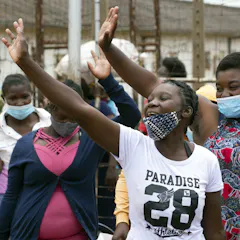
During the first wave of the COVID-19 pandemic, governments around the world released many prisoners, but this has now slowed or stopped. Here’s why those releases should continue.

Iran and Turkey have released large numbers of prisoners. Should other countries follow suit?

Well trained and experienced staff are a crucial part of improvements.

Just as with so many other criminal justice policies, pretrial detention disproportionately affects African-American men and women, destabilizing black families in the process.
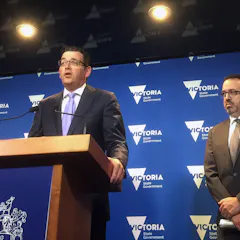
Australia needs to be very careful not to allow the bail system to become a political scapegoat at the hands of commentators exercising 20/20 hindsight.

Inmates are getting older, which make us think about whether custody is the best option for this group.

The undeniable difference between men and women when it comes to committing crime should be reflected in a fundamentally different approach to the sentencing of women.

Two-thirds of released prisoners in the US are arrested again within three years. Here’s how we could change that.

Approaches to crime that rely on punitive methods have proved to be ineffective and counter-productive. Rehabilitation programmes not only prevent crime, but are cost-effective and practical.

Since 2004, the number of prisoners in South Australia has risen seven times faster than the state’s net population growth – and nearly doubled its rate of locking up Indigenous Australians.

In a new series on imprisonment trends, issues and policies across Australia, The Conversation asks why are imprisonment rates soaring, to what purpose, and with what financial and human consequences?

The US is the great incarcerator, spending US$60 billion a year on prisons, and Australia is sliding down the same path. The solution? Confine jails almost exclusively to sexual and violent offenders.
Top contributors
-

Professor of Law, Swinburne University of Technology
-
Professor, Flinders Law School, Flinders University
-
Assistant Professor of Criminal Justice, Wayne State University
-
Associate Professor of Statistics, MIT Sloan School of Management
-
Emeritus Professor in Law and Criminal Justice, Adelaide University
-
Professor of Psychology; Member of the Strategic Research Centre for Social and Early Emotional Development, Deakin University
-
ARC Future Fellow and Professor of Criminology, The University of Melbourne
-
Professor of applied forensic psychology, Nottingham Trent University
-
Professor of Criminology, University of Portsmouth
-
Associate Professor, History, University of Waterloo
-
Senior Lecturer in Criminology, Anglia Ruskin University
-
Assistant Professor of Criminal Justice, University of Cincinnati