
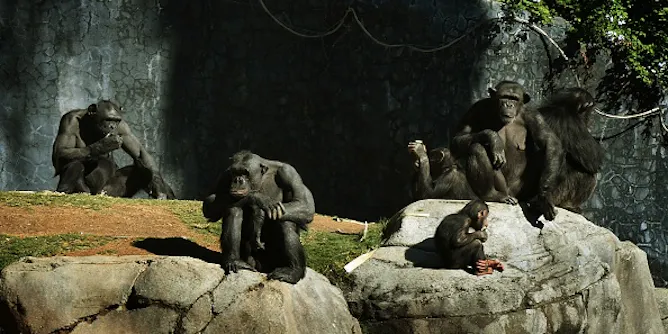
Zoo-based research can teach us about the needs of animals in our care.
Articles on Primates
Displaying 41 - 60 of 133 articles
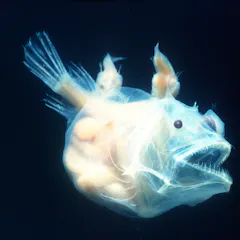
Does size matter? In the animal kingdom, yes.
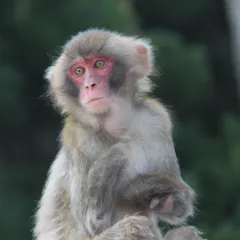
A community of macaques in Japan has a high rate of disabled individuals who survive with behavioural flexibility and maternal care. Globally, primate disabilities are often related to human causes.

New fossil studies tell us our ancient ancestors enjoyed a diet of soft, sweet fruits. This would have influenced where they lived and spread to – and even the evolution of colour vision.
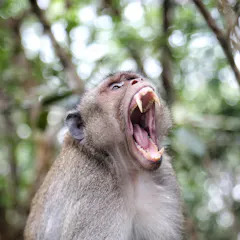
Tourists can do a number of things to avoid dangerous encounters with monkeys.
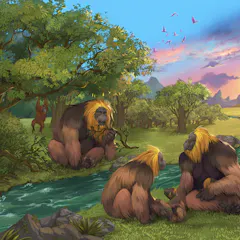
What happened to the three-metre tall apes that once lived alongside orangutans? A new study suggests they were too slow to adapt to a changing world.
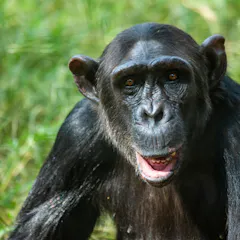
Why wild chimpanzees end up as pets and how we can keep them in the wild.
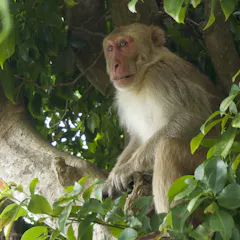
Most of the males in a Puerto Rican monkey colony engaged in homosexual activity, a new study reveals.

Masturbation seems like an evolutionary conundrum. New research has found an explanation.

Early life environments and adult social bonds both have strong effects on survival.
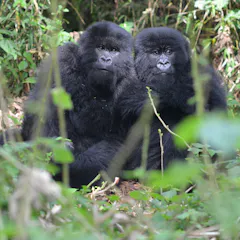
In many animals, including humans, adverse events in youth have lasting negative health effects over the life span. But new research suggests something different is going on in mountain gorillas.
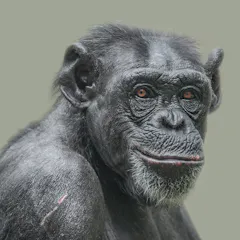
Chimpanzees have been the focus of primate research for decades. But their close cousins, the bonobos, can offer us important insights into human nature too.
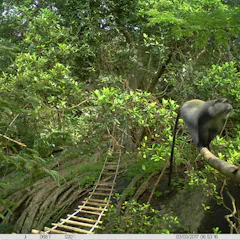
Researchers encourage citizen scientists to contribute to datasets on animal deaths caused by infrastructure. This will inform efforts to reduce the human impact on biodiversity.

Most of us have heard of the dangers of deforestation but there are other more subtle ways that human beings can endanger monkeys, apes and lemurs.

Close relatives of primates adapted to life in the High Arctic 52 million years ago – this may offer insight into future changes in the Arctic.
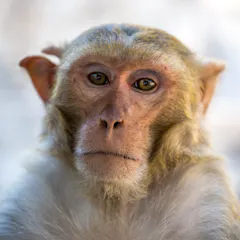
Nonhuman primates like rhesus monkeys share certain characteristics with people that may make them better study subjects than mice for research on neurodegenerative diseases.

Cutting-edge analysis of fossil ape teeth reveals ancient seasonal change in Africa, long before human ancestors appeared. The method will be crucial for the future study of early hominins.
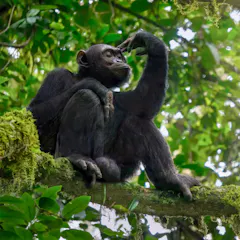
Human brains seem to be wired differently to those of chimps or macaques.

How Rekambo chimpanzees demonstrate a number of ground breaking behaviours never seen before in animals.
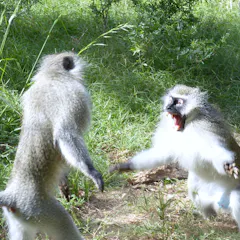
Why social interaction isn’t always a good thing for primates, especially for individuals with a fever.
Top contributors
-

Associate professor, Adelaide University
-
Senior Lecturer in Biological Anthropology, University of South Wales
-
Lecturer in Wildlife Conservation
-
Asso. Professor in Anthropology, University College London, UCL
-
Senior Lecturer in Zoology, Bangor University
-
Associate Professor of Evolutionary Biology, Anglia Ruskin University
-
University of Hull
-
Associate professor in Vertebrate Palaeontology, University of the Witwatersrand
-
Lecturer in the School of Applied Sciences, Edinburgh Napier University
-
Senior Lecturer in Biological Anthropology, Australian National University
-
Professor of Anthropology, Durham University
-
Postdoctoral Researcher in Evolutionary Biology, University of Oxford
-
Professor of Primate Biology, Liverpool John Moores University
-
Research Fellow in Biological Anthropology, Monash University
-
Professor of Earth System Science, UCL