

A major survey of Australian school principals finds they are copping abuse from parents and students on top of huge workloads. Many experienced leaders say they might leave the profession.
Articles on Primary school
Displaying 141 - 160 of 258 articles

Children are often allowed to freely explore their identities in early childhood services. But when they get to school, they are categorised as ‘boys’ or ‘girls’.
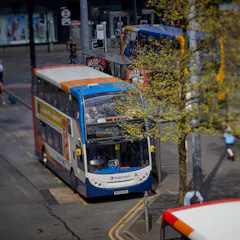
Homeless families rehoused in temporary are bearing the brunt of the high travel costs and policies ill-designed to accommodate their specific needs.
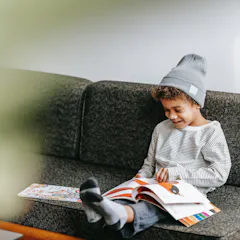
NAPLAN results alarmingly show almost one in three Australian children don’t meet the expected standard in Year 3.

You stayed up all night to make a Book Week costume – but now your child won’t wear it. In fact they don’t want to go at all. Here are some ideas to try.
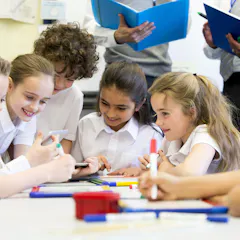
Our research found a multi-million pound scheme to boost maths learning was under-used and had minimal impact on practice.
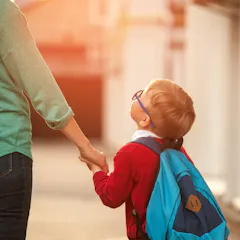
The advantages and disadvantages of summer-born children entering school outside their peer group.
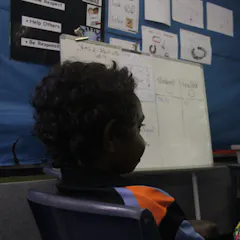
The federal government-commissioned “Footprints in Time” study also found teachers say they do not have adequate training to value and teach Indigenous cultures.
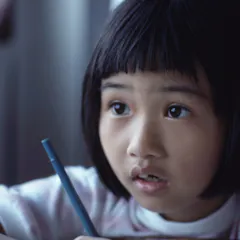
Parents can be worried when they hear their child is in a composite class. Research says the teacher and school community are more important than how a class is composed.
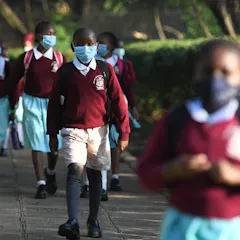
Kenya faces the challenge of delivering quality education without discriminating against learners based on social or economic background.

It’s counterproductive to push your child to read a whole chapter book independently if they are not ready. You might turn them off reading altogether. Here’s what to do instead.
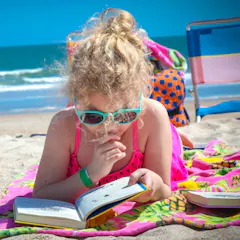
How can you get your kids to read this summer? Research has found they respond well to reading non-fiction – so we’ve gathered 6 top non-fiction books, recommended by the kids themselves.

Spirituality is a vital part of Indigenous identities. Incorporating spiritual education can create space in schools where Indigenous students can learn and grow.
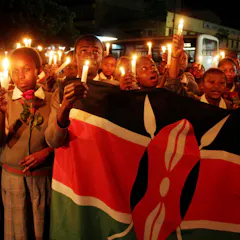
Kenyan families with access to mass media are significantly more afraid of terrorism than those without access.
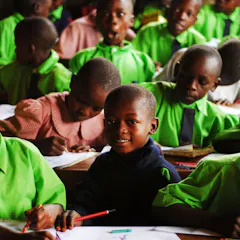
Parents are enablers, motivators and facilitators of their children’s education.
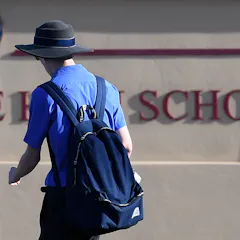
Results are coming back for students in years, 3, 5, 7 and 9. It can seem like a very big deal to stressed students. In reality, it is only one indicator of how a child is progressing.
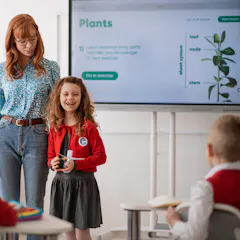
It’s important to keep in mind public speaking has two parts to it: writing the speech and delivering it.
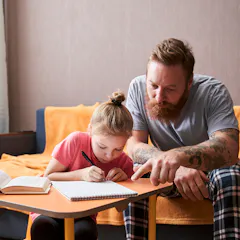
A new survey of Australian primary teachers found almost 65% of teachers never asked students to write at home with the support of a family member.

Many primary school PE lessons have been outsourced to private sports contractors, resulting in the ‘deskilling’ of a generation of teachers.
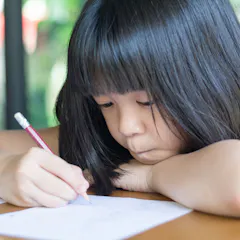
More testing will not necessarily help children who struggle.
Top contributors
-

Associate Professor in Educational Leadership, Australian Catholic University
-
Senior Lecturer in Mathematics Education, University of Sydney
-
Senior Lecturer in Education, University of New England
-
Lecturer in Mathematics Education, University of Sydney
-
Professor in Early Childhood Education and Community, University of Canberra
-
Senior Lecturer in Health and Physical Education, University of Tasmania
-
Lecturer in Education, Swansea University
-
Associate Professor of Education, Charles Sturt University
-
Senior Lecturer in Education, Edith Cowan University
-
Associate Professor in Education, Deakin University
-
Professor, School of Education, University of Southern Queensland
-
Lecturer (Curriculum & Pedagogy – Educational Psychology & Wellbeing)., University of Southern Queensland
-
Senior Lecturer Primary Education, University of Sydney
-
Senior Lecturer in Literacy, Edith Cowan University
-
Senior Research DECRA Fellow, Institute for Learning Sciences and Teacher Education, Australian Catholic University