

The pint-sized pookila faces uncertainty in Queensland, as two experts explain.
Articles on Predation
Displaying 1 - 20 of 29 articles
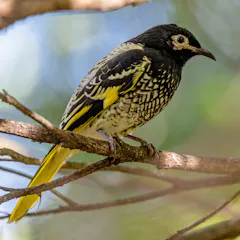
The regent honeyeater is a beautiful bird at risk of extinction. So how can we protect it from native predators, such as possums and sugar gliders?
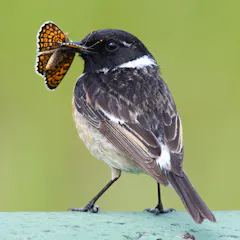
A global experiment has helped explain why some animals use stealthy patterns to hide from predators, while others use warning colours to avoid being eaten.
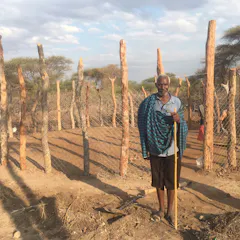
Management and protection of livestock is fundamental for reducing conflict with wildlife.
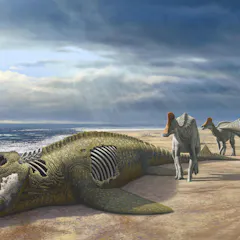
Oceanic dispersal of dinosaurs between Europe and Africa shows how low-probability, high-impact events drive evolution.
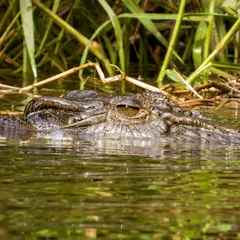
Invasive species such as deer, pigs and rabbits might help boost native predator populations.
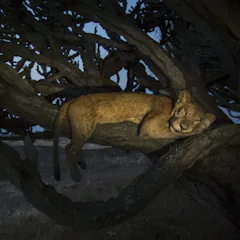
Developing countries suffer the most in the conflict between large carnivores and humans. We need better financial incentives for these communities to make sure these iconic predators are protected.
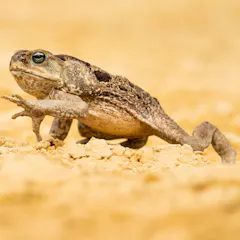
Enormous cane toads in Australia are not new – but we might see even larger ones as predators figure out how to eat these introduced toxic toads.
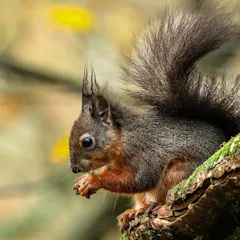
There is no single, straightforward way to safeguard the future of this native mammal at the moment – but here are some options

Once hated, native predators are now credited with limiting invasive prey populations.
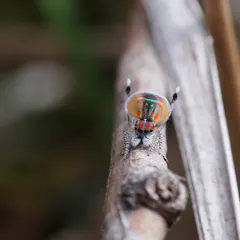
We wanted to understand the ways in which predatory animals eavesdrop on the sexual ‘conversations’ of their prey.
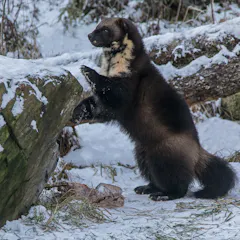
The key to protecting wolverines around the world is to reduce trapping, minimize predator control pressures, and to protect and connect large blocks of intact habitat they need to survive.
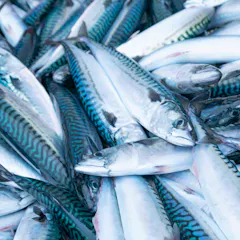
Suspending mackerel and spring herring fishing in the southern Gulf of St. Lawrence will impact the fishing industry on many levels.
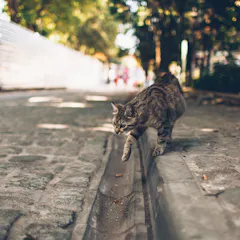
A new study shows that when free-ranging cats are more than a few blocks from forested areas in cities, such as parks, they’re more likely to prey on rats than on native wildlife.

New research sheds light on why predators don’t evolve to become so aggressive that they eat all their prey – and then go extinct themselves.
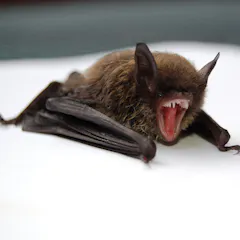
Research has revealed how earless moths manage to avoid bat attacks - by evolving sophisticated acoustic tricks.
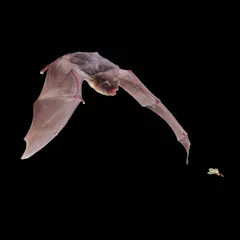
These nocturnal insects have amassed an impressive defensive arsenal against bats’ echolocation.
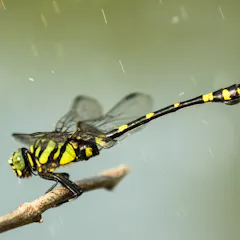
Prey species rely on camouflage and escape to avoid getting eaten. How can they make them work together?
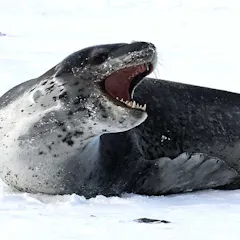
Cooperation or theft? New observations show wild leopard seals sharing food when targeting king penguins in Antarctica.
An AC/DC-loving biologist tests the band’s 1980 assertion that “rock ‘n’ roll ain’t noise pollution.” Turns out it can be – and the negative effects of noise can ripple through an ecosystem.
Top contributors
-

Postdoctoral Research Associate in Biological Sciences, University of Bristol
-
Honorary Research Fellow, University of Sydney
-
Professor of Conservation Biology, Charles Darwin University
-
Professor of Wildlife Conservation, Australian National University
-
Professor of Ecology, Charles Darwin University
-
Science Guide & Visiting Researcher, Earth Sciences, University of Cambridge
-
Postdoctoral fellow, Monash University
-
Senior Lecturer in Biology, The Open University
-
Professor Emeritus in Terrestrial Ecology, University of Sydney
-
Professor of Conservation and Sustainable Livelihoods, Charles Darwin University
-
Assistant Professor of Biological Sciences, Mississippi State University
-
Senior Lecturer in Biology, The Open University
-
Assistant Professor, Faculty of Agriculture, Dalhousie University
-
Emeritus Fellow, Downing College, University of Cambridge
-
Postdoctoral Research Fellow in the Department of Zoology, University of Venda, Researcher at IGDORE, and Honorary Research Fellow in the Department of Anthropology, Durham University