
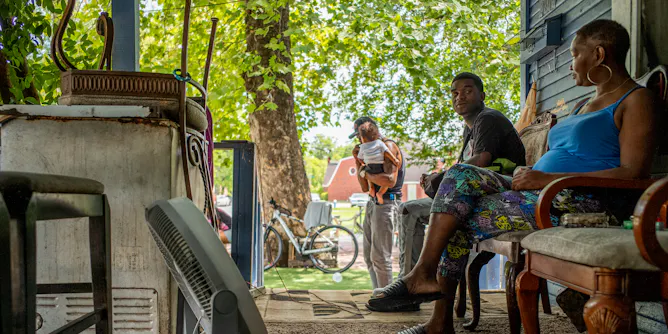
Heat waves can be dangerous, and the conditions indoors can be worse than outdoors. A study of all the single-family homes in Austin, Texas, shows why.
Articles on Power outages
Displaying 1 - 20 of 34 articles
Western states are figuring out how to make electricity-sharing work, but it isn’t easy. Texas learned that the hard way.
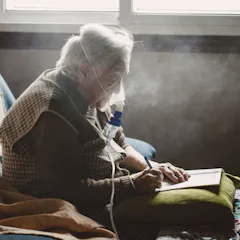
Premature deaths rise during long-term blackouts, and ERs fill up. Knowing who is at risk and some creative solutions can help.

Kenya’s electricity instability is not one problem – it’s an interaction between network capacity and system reliability.
The government directed data centers to turn on backup generation in parts of the US. Expanding distributed generation could improve grid resilience.
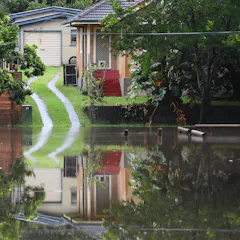
The damage from ex-Cyclone Alfred could have been so much worse – and we may not be so lucky next time. As the clean up begins, let’s build back better.
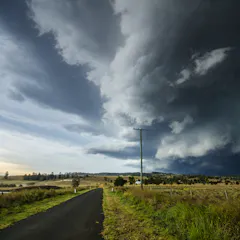
This week, unusually widespread thunderstorms are expected to bring rain, hail and intense winds to swathes of southern Australia. Here’s why – and what threat they can pose.
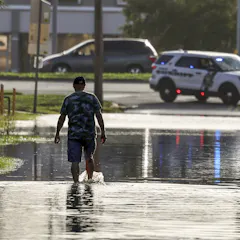
Researchers tracked power outages after 8 major storms to see how wealth corresponded to recovery time.
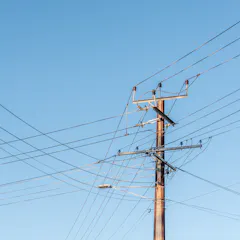
Increased investment in electricity generation, transmission and storage has led to a more positive outlook for the reliability of the system – if these projects are delivered on time.
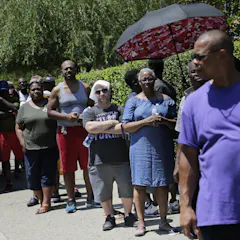
Practices such as redlining left marginalized groups in more disaster-prone areas with poorer quality infrastructure − and more likely to experience prolonged power outages.
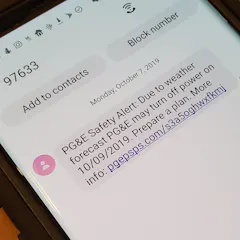
Turning off power is a last-ditch strategy for utilities to reduce the risk that their systems could spark wildfires. In most states, deciding whether to take that step is up to utilities.
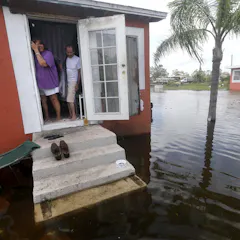
Researchers tracked power outages after 8 major storms to see how wealth corresponded to recovery time.
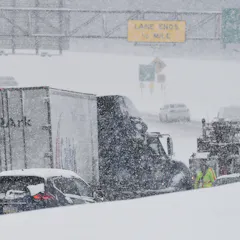
Costs quickly rise when things go wrong with roads, roofs and power lines. Many of those risks are also avoidable.
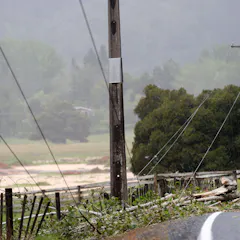
Underground power lines are safer, more resilient and less of an eyesore. The higher upfront cost will pay off in long-term benefits.
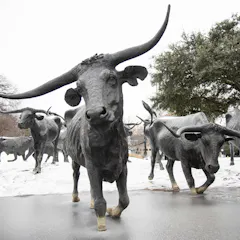
Texas wasn’t prepared to keep the lights on during Winter Storm Uri, and it won’t be ready for future cold weather unless it starts thinking about energy demand as well as supply.

Security companies suggest that criminals take advantage of the fact that many home and business security systems get compromised during power outages.
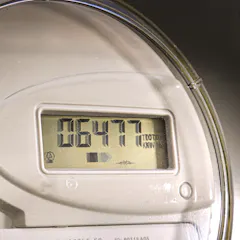
Most households pay a flat rate 24/7 for electricity although the cost of generating it fluctuates through the day. Wireless technologies are changing that system.
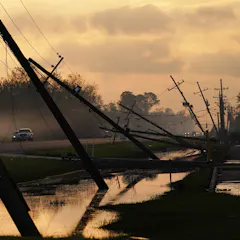
A study of real-world disasters shows home solar and storage could keep the lights on and the air conditioner running during many outages, but not all.
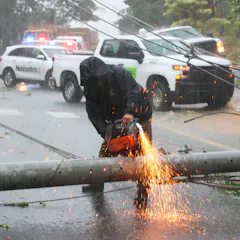
Hurricane Fiona will set back efforts to restore Puerto Rico that date back five years to Hurricane Maria. Two scholars explain how the island’s weak institutions worsen the impacts of disasters.
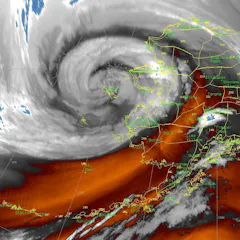
Most of the flooded communities are Indigenous and rely on subsistence hunting that residents would normally be doing right now. Recovering from the damage will make that harder.
Top contributors
-

Professor of Energy and Environmental Economics and International Affairs, Penn State
-
Director of Energy Studies, University of Florida
-
Associate Teaching Professor of Business and Economics, Georgetown University
-
Associate Professor of Engineering, Georgia Institute of Technology
-
Associate professor, University of Canberra
-
Senior Lecturer in Urban Planning, University of Auckland, Waipapa Taumata Rau
-
Professor of Pharmacy, University of Tasmania
-
Assistant Professor of Sociology, University of Pittsburgh
-
Head of Pharmacy (2013-present), University of Canberra
-
Criminologist / Senior Lecturer, Stellenbosch University
-
Associate Professor, University of Port Harcourt
-
Affiliate, Electricity Markets & Policy Group, Lawrence Berkeley National Laboratory
-
Graduate Student Researcher in Electricity Markets and Policy, Lawrence Berkeley National Laboratory
-
Provost Professor of Economics and Spatial Sciences, USC Dornsife College of Letters, Arts and Sciences; Institute for Humane Studies
-
Manager, Centre for Grid Innovation, Northern Alberta Institute of Technology