
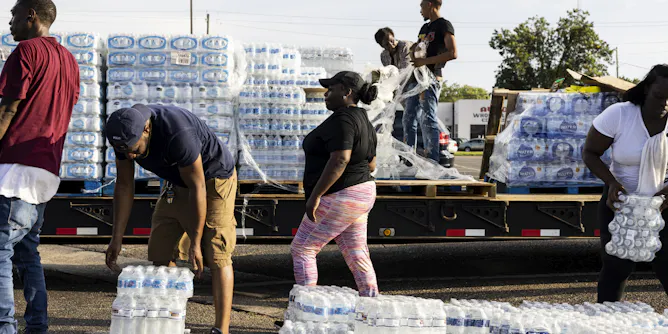
A heat wave that pushed California’s power grid to the limit, and the water system failure in Jackson, Mississippi, are just two examples.
Articles on Power outages
Displaying 21 - 34 of 34 articles
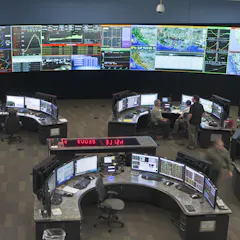
Sometimes wind and solar power produce more electricity than the local grid can handle. Better energy storage and transmission could move extra energy to where it’s needed instead of shutting it off.
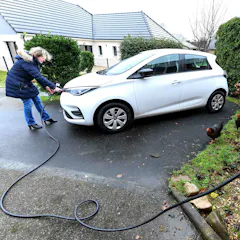
Bidirectional charging is the next big stage for electric vehicles. But storing power in your car and sending it back to your house involves more than flipping a switch.
Nigeria’s national electricity grid has collapsed more than 200 times since 2010, regularly resulting in widespread blackouts.
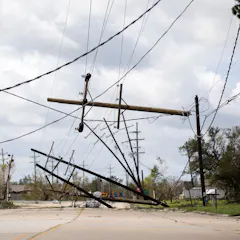
Building even more power poles and transmission lines won’t avert outages when major disasters strike.
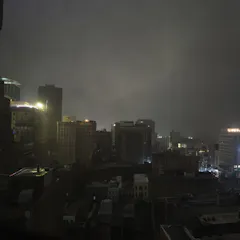
Hurricane Ida left the entire city of New Orleans in the dark and renewed discussion of burying power lines. But there’s no way to completely protect the grid, above ground or below.
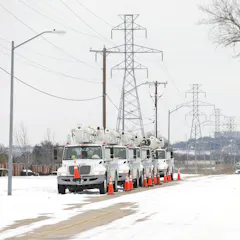
There will be more weather-driven disasters like February’s deep freeze in Texas, and energy planners aren’t prepared.
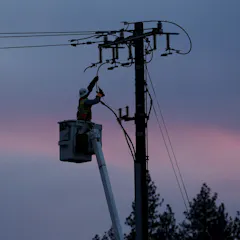
In an era of climate change and extreme weather, a microgrid — a self-sufficient, energy-generating distribution and control system — puts communities on the path to self-reliance.
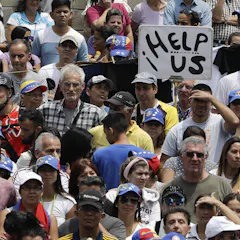
As rival factions vie for control over Venezuela, many of the country’s 31 million people are suffering prolonged power outages, food and water shortages, and limited access to medicine.
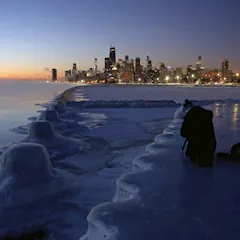
Natural gas supplies are growing, but so are other markets for it besides power generation.
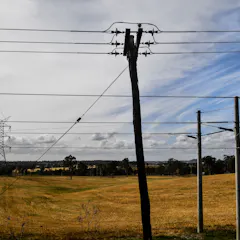
Sections of the media have talked up the prospects of future power outages, even though the electricity market operator predicts that Australia’s stringent reliability standards will still be met.
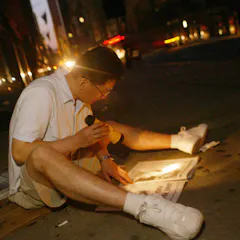
As South American countries recover from a massive blackout, the US isn’t immune: The Northeast Blackout of 2003 cut power to 50 million people, and many threats to the electricity grid remain.
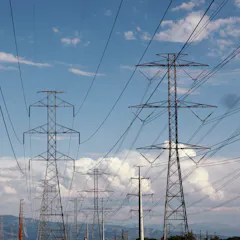
Experts explain the task of securing the electrical grid against cyberattacks, and discuss potential solutions and the risk of failure.
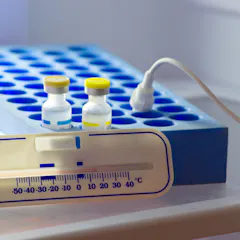
Vaccines need to be kept cold to remain effective. A lack of power in remote areas makes this difficult, reducing the reach of the life-saving pharmaceuticals.
Top contributors
-

Professor of Energy and Environmental Economics and International Affairs, Penn State
-
Director of Energy Studies, University of Florida
-
Associate Teaching Professor of Business and Economics, Georgetown University
-
Associate Professor of Engineering, Georgia Institute of Technology
-
Associate professor, University of Canberra
-
Senior Lecturer in Urban Planning, University of Auckland, Waipapa Taumata Rau
-
Professor of Pharmacy, University of Tasmania
-
Assistant Professor of Sociology, University of Pittsburgh
-
Head of Pharmacy (2013-present), University of Canberra
-
Criminologist / Senior Lecturer, Stellenbosch University
-
Associate Professor, University of Port Harcourt
-
Affiliate, Electricity Markets & Policy Group, Lawrence Berkeley National Laboratory
-
Graduate Student Researcher in Electricity Markets and Policy, Lawrence Berkeley National Laboratory
-
Provost Professor of Economics and Spatial Sciences, USC Dornsife College of Letters, Arts and Sciences; Institute for Humane Studies
-
Manager, Centre for Grid Innovation, Northern Alberta Institute of Technology