
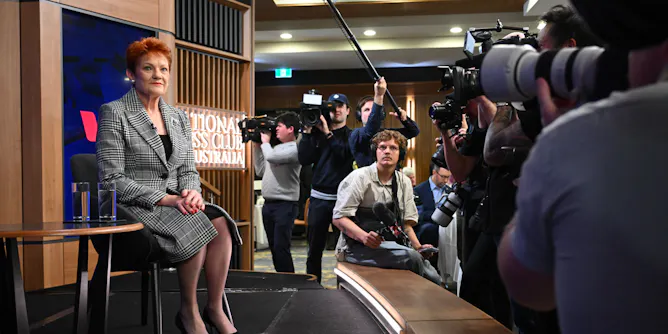
Post-truth politics means emotions trump facts. The major parties would be wise to remember this when trying to combat the rise of One Nation.
Articles on Post-truth
Displaying 1 - 20 of 72 articles

New research suggests GCSE science builds thinking skills that matter far beyond the lab.

The use of deepfakes and AI by groups with various interests, including governments and media, is the latest and most sophisticated tool in information and disinformation campaigns.
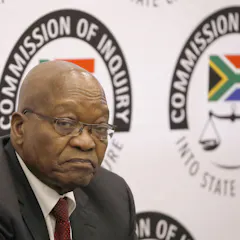
Claiming a right to determine reality by mere say-so is becoming increasingly commonplace, but we should never get used to it.
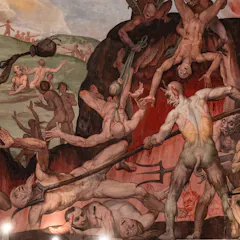
How some evangelicals use spiritual warfare to interpret the presidency of Donald Trump.
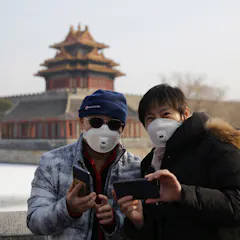
As cities have shut down and residential compounds have issued curfews, social media in China have become more important than ever. But it is a place of rumours and mistruths.
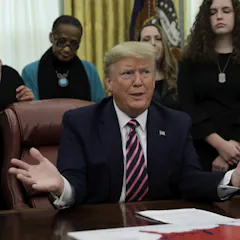
Post-truth questions the very nature of truth itself – that’s why it’s so dangerous.
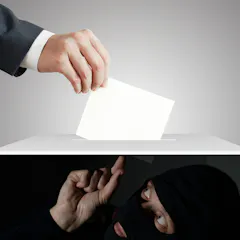
Information warfare has gone global. Here are some recent campaigns, and a couple of ideas about how to fight back.
The origins of the post-truth age date back decades, but the real world is now fast fading from view.
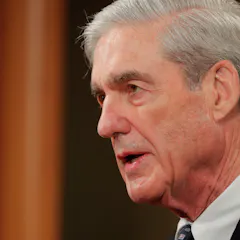
What’s the role of someone who, like
Robert Mueller, speaks only facts in a tornado of partisan bombast? Is it a breath of fresh air or an abdication of responsibility to protect America’s interests?
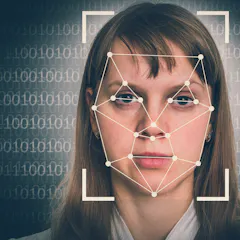
More democratic forms of politics, journalism and fact-checking will be needed when we can no longer trust any video footage.
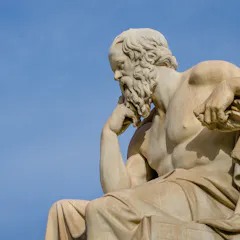
Three philosophers put up a booth at the entrance to a New York City subway, so people could come to them with questions. They got hit with some real zingers.
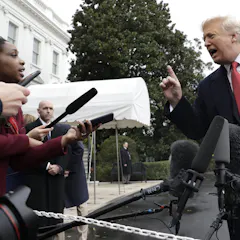
Any amateur politician can engage in lying. President Donald Trump is going further than that. He’s engaging in ‘post-truth’.

South Africans have a right to know why the lapses at Sunday Times occurred and why those that spoke up against them were silenced.

Will we soon no longer be able to discern which videos are real and which are fake?
A psychologist explains what can happen to individuals and societies that lose their grip on the truth.
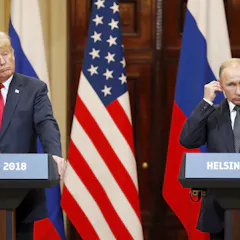
The ideals of liberal democracies are under threat – and not just in the US and Russia.
Fake news is not new, but it is inevitable and inescapable - which is why we need uncomfortable, critical and truthful journalism to prevail.

It’s time to (do more than) talk about knowledge. Universities must take leadership in helping develop students capacity to recognise different kinds of knowledge and work flexibly.
The best defence against post-truth politics is not ‘the truth’. Democracy should resist the political tyranny of claims to some immutable truth as a basis for governing the lives of others.
Top contributors
-

Research Fellow, Center for Philosophy and History of Science, Boston University
-
Open Evidence Research, UOC - Universitat Oberta de Catalunya
-
Principal Lecturer in Journalism, Humanities and Creative Industries, University of East London
-
Professor and Head of Department of Political and Conflict Studies, Nelson Mandela University
-
Full professor, GEM
-
Senior Lecturer in Psychology, Nottingham Trent University
-
Senior Research Fellow in Integrated Sustainability Analysis, School of Physics, Faculty of Science, University of Sydney
-
Senior Research Fellow, Centre for Advancing Journalism, The University of Melbourne
-
Professor of Rhetoric & Communications, University of Winnipeg
-
Chair in Science Communication & Future Media, University of Salford
-
Chercheuse en développement durable, sciences sociales et technologie, GEM
-
Senior Lecturer in English Literature, University of Portsmouth
-
Professor and Chair, Department of Journalism, Stellenbosch University
-
Director Sydney Environment Institute and Professor of Environmental Politics, University of Sydney
-
Canada Research Professor, School of Journalism and Communication, Carleton University