

Nurses and healthcare workers will need more support in the longer term to deal with the considerable effect COVID-19 has had on mental health and wellbeing.
Articles on Post-traumatic stress disorder (PTSD)
Displaying 121 - 140 of 305 articles

Public health measures like lockdowns, quarantine and mandatory masks are important for managing the pandemic. But they can take a unique toll on refugees’ mental health, as our new research shows.
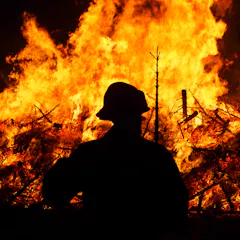
Firefighters are hailed as heroes and pillars of strength, bravery and courage. But the daily stressors and traumas of their jobs take a heavy emotional toll that largely goes unnoticed by the public.
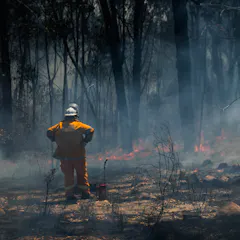
New research surveyed more than 5,000 Australians about their concerns. Its findings suggest an epidemic of mental health related disorders is on the horizon.
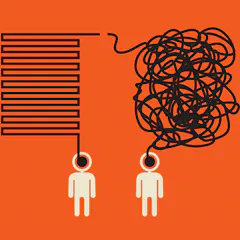
Adults who experienced trauma in childhood may get poor medical care because they have trouble telling a clear story about their health.

Many people with PTSD also have depression, anxiety or some other mental health issue. This treatment might help where other treatments haven’t.

The rituals of ancient Greece – especially public performances of tragic plays – have remarkable resonance with the current moment.
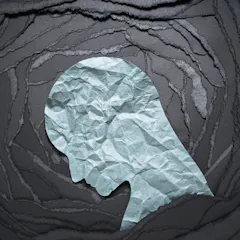
The TGA is considering a proposal to reclassify psilocybin and MDMA from their current status as prohibited substances. This would allow psychiatrists to use these drugs to treat mental illness.

A scholar of the Rwandan genocide argues that while a genocide and a pandemic are very different, the experiences of Rwanda’s survivors may provide lessons on how to heal from pandemic trauma.

There’s buzz about MDMA – yes, the same ingredient in the street drug known as Ecstasy – being a game changer in the treatment of PTSD. A psychiatrist who treats PTSD says, “Not so fast.”

Now, for the first time in Australian history, trauma is trending in the wider public discourse. What does this shift in public consciousness mean, and where is it taking us?

A lack of emotional support within the police is leading to PTSD and burnout.

Mass shootings terrorize witnesses in ways that people watching from afar can only imagine. And yet, society at large is also affected, a trauma psychiatrist writes.

Traditional treatments for PTSD, such as talk therapy and medication, do work for some veterans. But service dogs can make a difference when those methods fall short.

Loosely based on the ABC journalist’s own experiences, Stop Girl opens up a story about PTSD after war.

Professor of Defence Mental Health, King’s College London

The TGA is currently evaluating a proposal to legalise MDMA and psilocybin for the treatment of mental illness. But there are a few reasons Australia isn’t quite ready to take this step.

Almost half of NHS critical care staff suffered mental health issues in summer – now the situation is worse.
Preventing teacher burnout is a community responsibility we can address. If those who have become first responders in schools withdraw we will also see adverse effects on students.

A film about the shootings is likely to be very distressing for people directly impacted by the massacre, particularly those who still have PTSD or strong grief responses.
Top contributors
-

Professor of Psychiatry, Wayne State University
-
Albert E. Kent Professor of Psychiatry, Yale University
-
Distinguished Professor of Pharmacy Practice, University of Connecticut
-
Associate Professor in Clinical Psychology, University of Oxford
-
Professor of Organisational Ethnography, Cambridge Judge Business School
-
Professor & Director, Refugee Trauma and Recovery Program, School of Psychology, UNSW
-
Chair of Clinical Psychology, The University of Melbourne
-
Associate Professor, Paramedicine and Head of Department, Rural Allied Health, La Trobe University
-
Professor & Director of Traumatic Stress Clinic, UNSW
-
Adjunct Professor, School of Psychology UNSW Sydney and Daphne Keats Chair in Cross-Cultural Psychology, University of Newcastle
-
Associate professor, Australian National University
-
Professorial Fellow, Department of Psychiatry, The University of Melbourne
-
Senior Lecturer of Addiction, Edith Cowan University
-
Research Fellow in Digital Pedagogy (Theology), Durham University
-
Professor and Homewood Research Chair in Mental Health and Trauma, Department of Psychiatry and Behavioural Neurosciences, McMaster University