
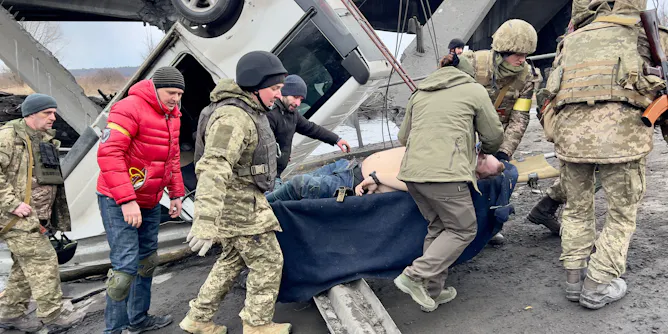
War takes a terrible toll on medics, but many of the injuries are unseen.
Articles on Post-traumatic stress disorder (PTSD)
Displaying 101 - 120 of 305 articles
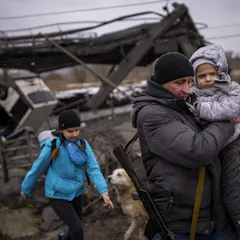
Ukrainian children, refugees and military personnel will be among those hardest hit with PTSD due to the Russian invasion.
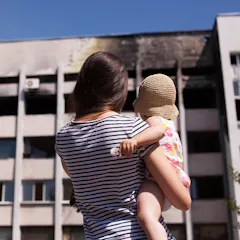
Wars are complex health emergencies – and the damaging effects last for years.
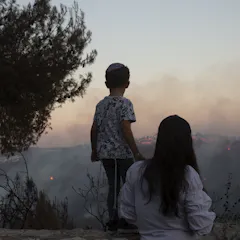
For the first time, an IPCC climate report has assessed evidence that weather and climate extremes are already affecting mental health — and are likely to worsen.
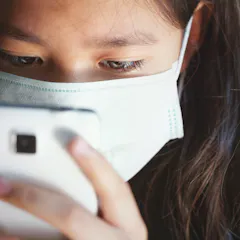
Children don’t have to be in physical danger for disaster images to have a powerful psychological impact.
Understanding where and how memories are formed could lead to more ways to treat conditions like PTSD and addiction.

Last year’s COVID-19 restrictions were a relief to some people who have experienced family trauma because it spared them difficult holiday visits with relatives. Now, it’s back to holidays as usual.

Some psychedelic drugs – paired with therapy – hold great potential for helping sufferers of PTSD, depression and other mental health disorders.

A person with complex post-traumatic stress disorder has the signs of standard PTSD, as well as additional difficulties that often stem from childhood trauma.

In my research, I’ve seen how people can feel a new sense of gratitude, meaning and purpose. They often take up new hobbies and careers. They become less materialistic and more altruistic.

A secret plan to destabilise the new democratic government reveals the failed ambitions of the apartheid state security apparatus and confirms what is known about the brutality of the period.
The COVID-19 pandemic is a stressful time for all, and even more so for people experiencing trauma-related stress. How can public health emergency responses avoid further trauma for vulnerable people?
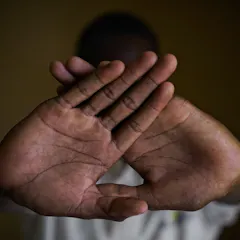
In many conflict areas, children are especially susceptible to the effects of war. And using them as soldiers prolongs the conflict.
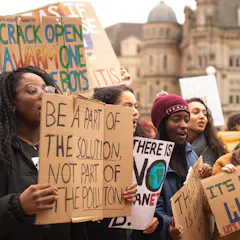
Research shows climate change is already affecting the healthy psychological development of children worldwide. Children’s mental health risks will only accelerate as climate change advances.
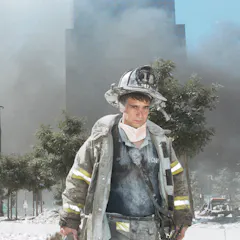
Those directly exposed to toxic dust and trauma on and after 9/11 carry with them a generation of chronic health conditions, which are placing them at higher risk during the pandemic and as they age.
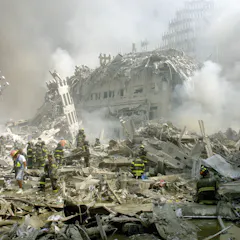
More 9/11 responders died from physical and mental health issues after the terrorist attacks than on the day itself. And survivors are still suffering 20 years later.

Around 70% of front-line health workers said they were exhausted in 2020. With COVID hospitalisations expected to rise in coming weeks, the pressure is about to get a whole lot worse.

The COVID-19 pandemic and a growing global refugee crisis have shone a light on the ever-increasing need for new approaches to mental health treatment.

You might have heard of EMDR therapy recently after Prince Harry said he’s been using it.
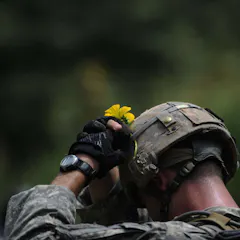
The act of killing in combat is associated with heightened risks of PTSD and suicide. A scholar interviewed 30 veterans about their common experiences.
Top contributors
-

Professor of Psychiatry, Wayne State University
-
Albert E. Kent Professor of Psychiatry, Yale University
-
Distinguished Professor of Pharmacy Practice, University of Connecticut
-
Associate Professor in Clinical Psychology, University of Oxford
-
Professor of Organisational Ethnography, Cambridge Judge Business School
-
Professor & Director, Refugee Trauma and Recovery Program, School of Psychology, UNSW
-
Chair of Clinical Psychology, The University of Melbourne
-
Associate Professor, Paramedicine and Head of Department, Rural Allied Health, La Trobe University
-
Professor & Director of Traumatic Stress Clinic, UNSW
-
Adjunct Professor, School of Psychology UNSW Sydney and Daphne Keats Chair in Cross-Cultural Psychology, University of Newcastle
-
Associate professor, Australian National University
-
Professorial Fellow, Department of Psychiatry, The University of Melbourne
-
Senior Lecturer of Addiction, Edith Cowan University
-
Research Fellow in Digital Pedagogy (Theology), Durham University
-
Professor and Homewood Research Chair in Mental Health and Trauma, Department of Psychiatry and Behavioural Neurosciences, McMaster University