

Childhood adversity can put people at risk of perpetrating domestic violence in the future. Having a supportive social network and learning ways to regulate the stress response, however, can help.
Articles on Post-traumatic stress disorder (PTSD)
Displaying 61 - 80 of 305 articles

Racial threats and slights take a toll on health, but the continual invalidation and questioning of whether those so-called microaggressions exist has an even more insidious effect, research shows.

One in seven Canadian veterans is living with PTSD. Developing a psychedelics research program for veterans should be a public health priority.
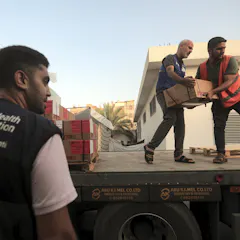
Aid workers consistently face a host of moral challenges and often have to make difficult choices. Organizations need to be aware of the mental impact on their staff and provide support.
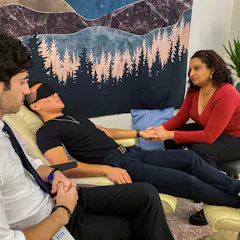
Clinical psychologist and professor Monnica Williams is on a mission to bring psychedelics to therapists’ offices to help people heal from their racial traumas. To do this, she’s jumping over some big hurdles.

Red flag laws are an important step in the right direction, but much more work is needed to determine the role of mental health in the lead-up to and aftermath of mass shootings.
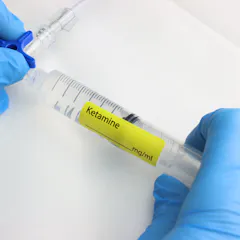
The analysis shows that ketamine may start relieving symptoms of PTSD within one day, but it is still unclear how long the effects last and how many injections are needed to maintain benefits.

One treatment option for children’s trauma is eye movement desensitisation and reprocessing, or EMDR. Here’s how it works and what the research says about its effectiveness.

My Sister Jill disrupts ideas of colonial glory with a troubling depiction of family violence, PTSD, homophobia and the ruinous intergenerational impacts of patriarchal oppression on everyone.
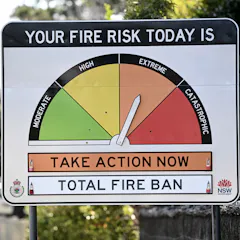
We’ve had an early start to the bushfire season and there’s more to come. No wonder spring isn’t always a celebration.

A Calgary refugee health clinic documented the stories of 242 Yazidi genocide survivors, recounting enslavement, slaughter and forced indoctrination.

You have probably heard of ‘fight or flight’ responses to distressing situations. You may also be familiar with the tendency to ‘freeze’. But there is another response a person can have: ‘fawn’.

In addition to placebo effects, patients might be motivated to report they have gotten better, even when they haven’t.
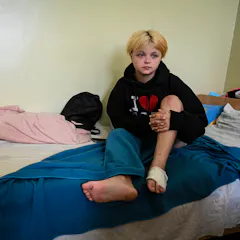
No matter their age, gender, ethnicity or locale, kids undergoing this therapy can make real progress in recovering from the most devastating traumas.

Cognitive immobility, brought on by being separated from family, can lead to emotional exhaustion, anxiety, depression and post-traumatic stress disorder.

Psychological debriefing usually involves counsellors providing survivors with a single counselling session soon after an event. But ‘talking through’ trauma can over-consolidate painful memories.

The mental health of front-line officers has drawn considerable attention, yet research shows that justice professionals working with traumatic material can also suffer psychological distress.

Sedative-hypnotic drugs can distort a patient’s perception of reality. Some patients wake up from a procedure believing they have been sexually assaulted.

Chronic stress from living with systemic racism and gun violence can lead to increased symptoms of PTSD and depression as well as elevated cortisol levels.

For the Yazidi communities in northern Iraq, there is a need to improve mental health. The sense of cultural identity has the potential to improve psychological well-being.
Top contributors
-

Professor of Psychiatry, Wayne State University
-
Albert E. Kent Professor of Psychiatry, Yale University
-
Distinguished Professor of Pharmacy Practice, University of Connecticut
-
Associate Professor in Clinical Psychology, University of Oxford
-
Professor of Organisational Ethnography, Cambridge Judge Business School
-
Professor & Director, Refugee Trauma and Recovery Program, School of Psychology, UNSW
-
Chair of Clinical Psychology, The University of Melbourne
-
Associate Professor, Paramedicine and Head of Department, Rural Allied Health, La Trobe University
-
Professor & Director of Traumatic Stress Clinic, UNSW
-
Adjunct Professor, School of Psychology UNSW Sydney and Daphne Keats Chair in Cross-Cultural Psychology, University of Newcastle
-
Associate professor, Australian National University
-
Professorial Fellow, Department of Psychiatry, The University of Melbourne
-
Senior Lecturer of Addiction, Edith Cowan University
-
Research Fellow in Digital Pedagogy (Theology), Durham University
-
Professor and Homewood Research Chair in Mental Health and Trauma, Department of Psychiatry and Behavioural Neurosciences, McMaster University