
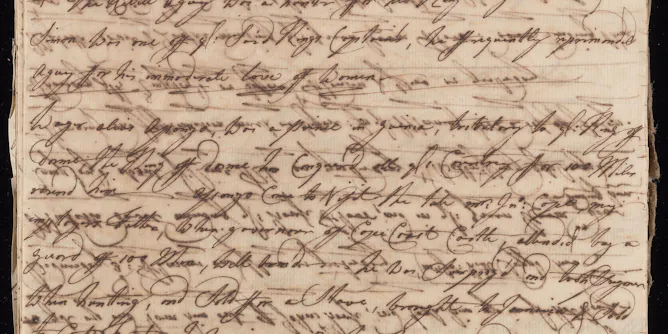
The search for Apongo is a small part of historians’ ongoing work to recreate the lives of Africans taken in the transatlantic slave trade.
Articles on Plantations
Displaying 1 - 20 of 38 articles
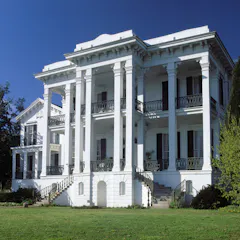
A fire destroyed the South’s largest surviving antebellum mansion – exposing the tensions between history and profit.

‘Reading’ your floorboards can reveal fascinating details about the lives of the trees they once were.

Not all reparations involve money. Returning unique scientific resources is also a way of showing respect and righting past harms.
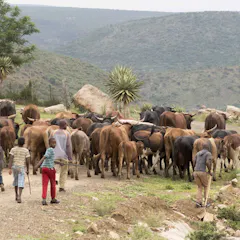
Planting millions of trees in natural grassland is largely ineffective in the battle against global warming because it adds little or no additional carbon storage.

Incentives have so far benefited large landowners and created lifeless plantations.
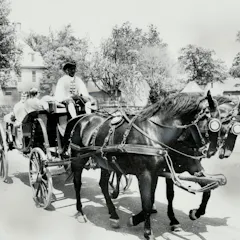
Though it is a fact that some enslaved people learned valuable skills, it’s a myth that they had the same path of upward mobility that white laborers enjoyed.
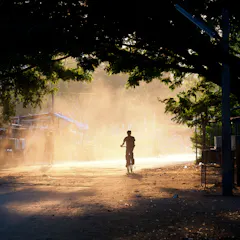
Plantations of exotic trees from the mid-19th century onwards devastated Indian ecosystems.
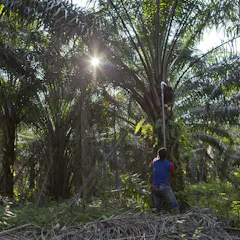
Palm oil is used in half the products sold in global supermarkets. Much of the oil comes from Indonesia where it is grown on plantations that are relatively inefficient, but occupy huge areas of land.
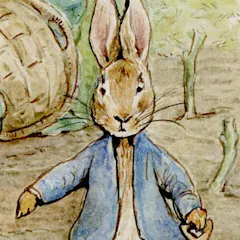
Beatrix Potter’s silence concerning her sources means the Brer Rabbit folktales that helped create her stories are passed over without acknowledgement or celebration.

By reflecting on the violent origins of the Canadian sugar industry, we can bring wider attention to the exploitation underpinning the history of Canadian cuisine.
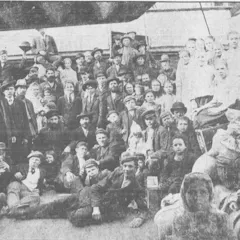
In a territory landowners wanted to become a state, white immigrants were less threatening to American nativists on the mainland.
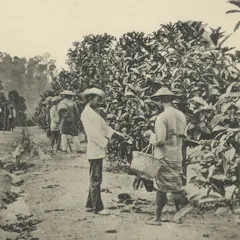
Economic inequality during the Dutch East Indies era varied radically, depending on where you look. What made the income distribution different from one region to another?
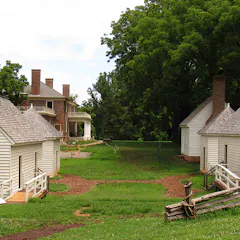
Once owned by James Madison, the Montpelier plantation remains a model for presenting a full depiction of the life of the former president as well as the lives of those he enslaved.

Directing public funds to native forest logging is bad for the economy, the climate and biodiversity, and will increase bushfire risk.

There is a long history shaping the recent pact between China and the Solomons- and it should jolt Australia into rethinking its relationships in the Pacific region.
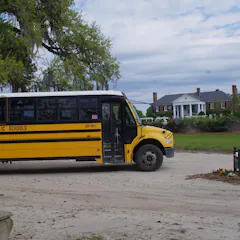
Plantation museums could be ideal venues for students to learn about the nation’s history of race-based slavery, but only if they stop whitewashing the horrors of what took place on their grounds.
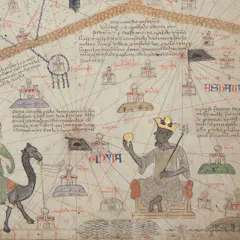
Born in Blackness by Howard W. French is a towering work. It argues that, because of gold and slavery, Africa is central to creating the modern world.
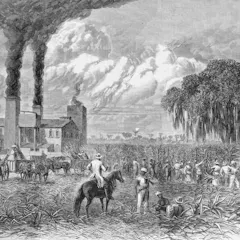
Sugar has deep links with slavery in the US, but Black workers weren’t the only ones affected. In post-Civil War Louisiana, Chinese workers also toiled cutting and processing cane.
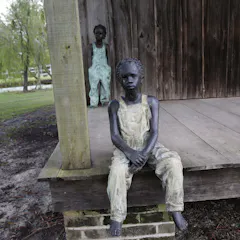
The romanticized notions of Southern gentility are increasingly at odds with historical reality as the lives, culture and contributions of the enslaved are becoming integral on tours of plantations.
Top contributors
-

Associate Professor of Geography, Georgia Southern University
-
Derek H. Alderman is a Friend of The Conversation.
Chancellor's Professor of Geography, University of Tennessee
-
Visiting Scholar, University of California, Berkeley
-
Postgraduate Researcher, Climate Adaptation, University of Manchester
-
Lecturer, Humanities and Social Sciences, La Trobe University
-
Postdoctoral fellow, University of Pretoria
-
Professorial Fellow, Institute of Development Studies
-
Associate Professor, University of Ghana
-
Senior Lecturer, Environmental Soil Science, RMIT University
-
Professor, Institute for Poverty, Land and Agrarian Studies, University of the Western Cape
-
Associate Professor in Environment and Development, Australian National University
-
Senior Research Fellow, University of Canberra
-
Professor of Wildlife Health and Emerging Diseases, Royal Veterinary College
-
Senior Research Fellow, Institute for Humanities in Africa, University of Cape Town
-
Professor of History of Science, Stanford University