
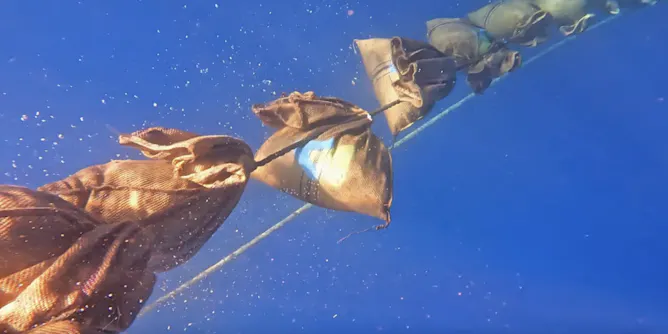
Ocean carbon removal is picking up, just as Microsoft pulls out as a major funder of carbon removal projects.
Articles on Phytoplankton
Displaying 1 - 20 of 54 articles
Marine viruses attack cells, but the material that spills out helps fuels marine life around the world.
The algal bloom in SA is a warning to coastal communities, as well as tourism, seafood and aquaculture industries. It’s a sign of what’s to come as the oceans warm.
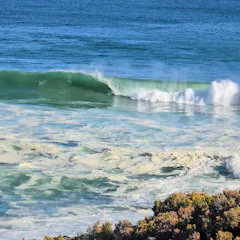
A harmful algal bloom of Karenia mikimotoi made dozens of surfers sick and killed seadragons, fish and octopuses on two South Australian beaches.
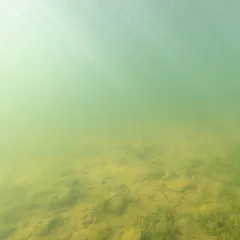
Sedimentary deposits containing well-preserved diatom cells record a lake’s environmental changes. Studying them can help us understand the impacts of climate change.
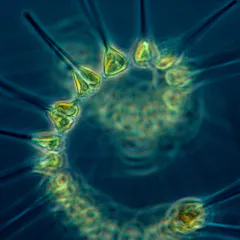
When tiny marine plants are exposed to mineral enriched dust blown into the sea from the land, they bloom over thousands of kilometres, potentially cooling the planet.
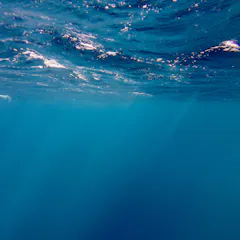
Tiny phytoplankton have an outsized influence on the entire ocean.

Plankton bloom and wither with the seasons much as plants do on land.
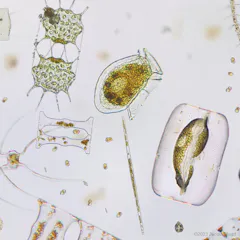
As the ocean warms, toxic algal blooms are on the rise in the waters off New Zealand, causing the highest number of shellfish harvest closures in a decade.

The rise of ‘pyrokaryotes’ could reduce the availability of fish humans eat, and hamper the ocean’s ability to absorb carbon emissions.
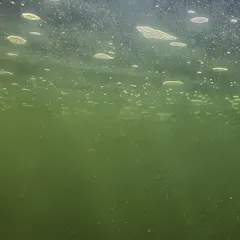
Some plant plankton engage in predatory behaviour and consume bacteria. This can contribute to climate change as these plankton stop photosynthesis in warmer temperatures.
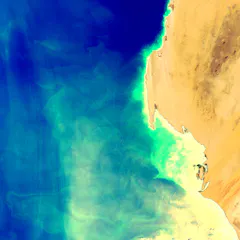
Taking more carbon dioxide out of the atmosphere by stashing it in the ocean seems like a good idea, but it could backfire if tiny marine animals called zooplankton get extra hungry.
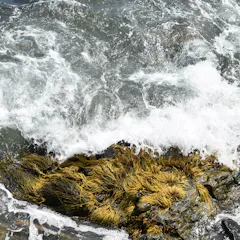
Underwater rivers ferry large volumes of seaweed from shallow seas into the deep, where its carbon is stored naturally

Iron-rich dust feeds phytoplankton. They are a key form of life in the Southern Ocean, which acts as a climate shock absorber.
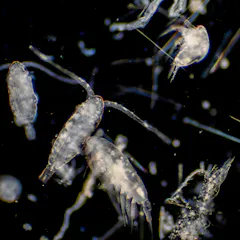
Explore the incredible underwater world of plankton.
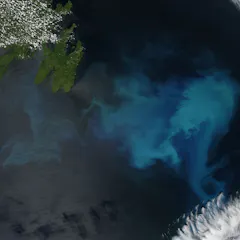
Recent research sheds light on the ocean’s annual ‘biological clock’ and highlights the key dynamics that make it susceptible to climate change.
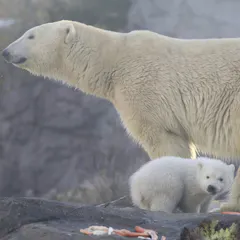
Comparison of modern and archaeological polar bears indicates that four millennia of food web stability has been disrupted by modern climate change.
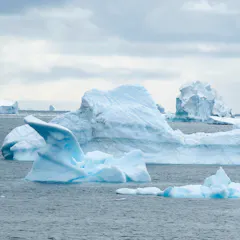
Icebergs don’t just pose a risk to ships – they have a profound impact on the natural world and human societies.
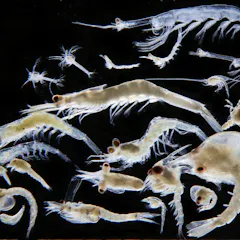
Marine life known as zooplankton might be the biggest problem with getting carbon cycling right in climate models. The potential variations in carbon uptake are greater than global transport emissions.
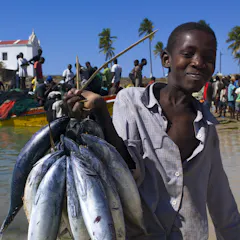
From planting mangroves to dumping minerals in the ocean, there are lots of ideas for ocean carbon dioxide removal – and even more questions.
Top contributors
-

Associate Professor of Marine Conservation, University of Plymouth
-
Professor, Institute for Marine and Antarctic Studies, University of Tasmania
-
Postdoctoral research associate, University of Tasmania
-
ARC DECRA Fellow/Senior Lecturer, IMAS, University of Tasmania
-
Professor, University of Tasmania
-
Research Scientist, CSIRO
-
Researcher, Remote Sensing and Satellite Research Group, Curtin University
-
Professor, National Oceanography Centre
-
Researcher, School of Biological Sciences, Adelaide University
-
Research Fellow, Bristol Zoological Society and University of Exeter; Extraordinary Professor: Department of Biodiversity and Conservation Biology, University of the Western Cape, University of Exeter
-
Chair Professor, Swansea University
-
Research Fellow, School of Earth & Environment, University of Leeds
-
Antarctic Law Researcher, Institute for Marine and Antarctic Studies and the Antarctic Climate and Ecosystems CRC, University of Tasmania
-
PhD candidate, Adelaide University
-
Research Fellow in School of Earth and Ocean Sciences, Cardiff University